
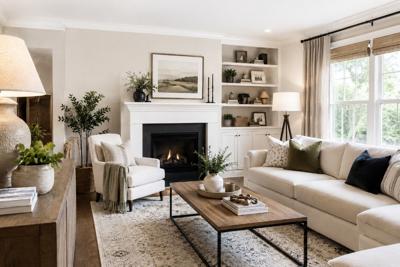

A home can start to feel tired long before it truly needs a renovation. The furniture may still be good, the layout may still work, and the walls may still technically be standing there doing their job. Yet somehow the room feels flat, dated, cluttered, or just a little too familiar.
That is where easy home updates can make a real difference. Not every refresh requires contractors, permits, dust, or a family discussion about why the kitchen is suddenly unusable. Sometimes the smartest improvements are simple: better lighting, fresh paint, a properly sized rug, new hardware, cleaner storage, or window treatments that finally make the room feel finished.
The goal is not to chase every design trend or buy a cart full of decorative objects that will need dusting until the end of time. The goal is to make the home feel more comfortable, more polished, and more intentional with updates that actually improve daily life.
For readers planning a larger refresh, FINE’s guide to simple home upgrades that add everyday value offers a deeper look at practical improvements that make a house easier to live in every day.
Start by Editing What You Already Own
The fastest way to make a room feel fresher is to remove what no longer belongs. This does not mean stripping the house into cold minimalism. It means taking a clear look at what feels heavy, dated, unnecessary, worn out, or oddly permanent for something you never liked very much.
Clear the surfaces. Remove faded pillows. Put away accessories that no longer fit the room. Edit bookshelves. Revisit artwork. Move small furniture pieces that interrupt flow. A room often looks more expensive when it has fewer things competing for attention.
This is the part of decorating that costs nothing and somehow feels deeply suspicious because it works. Before buying anything new, let the room breathe. Then it becomes much easier to see what actually needs updating.
Refresh Paint in the Right Places
Paint remains one of the most effective easy home updates because it can change the mood of a room quickly. A warmer white, a soft neutral, a moody powder room color, fresh trim, or a painted interior door can make a space feel cleaner and more current.
The mistake is assuming every room needs a dramatic new color. Sometimes the better move is simply refreshing scuffed trim, repainting a tired hallway, or warming up a room that has gone a little too gray. Paint should support the room, not demand its own press release.
When painting indoors, product choice and ventilation matter. The U.S. Environmental Protection Agency notes that some household products, including paints and solvents, can emit volatile organic compounds. Low-VOC options, open windows, and proper drying time are worth considering, especially in rooms used every day.
Fix the Lighting Before Replacing the Furniture
Many rooms do not need new furniture. They need better lighting. Overhead lighting alone can make a room feel flat, harsh, or oddly unfinished, even when the furniture is perfectly fine.
Layer lighting with table lamps, floor lamps, sconces, picture lights, under-cabinet lighting, and dimmers. Living rooms need softness. Kitchens need task lighting. Bedrooms need warm, low lighting at night. Hallways and entries need enough light to feel welcoming without turning the house into an airport corridor.
The U.S. Department of Energy explains that LED lighting is an efficient option for residential use and is available across many home lighting products. For a design-focused look at lighting and room flow, FINE’s article on designer lighting and layout ideas that transform your home interior connects lighting choices with scale, placement, and everyday comfort.
Use Rugs to Ground the Room
A rug can change a room faster than almost any other textile. It adds softness, warmth, sound control, color, and structure. It can also help define areas in open-concept spaces where the living room, dining area, and kitchen are all trying to coexist without clear boundaries.
The most common rug mistake is choosing one that is too small. In a living room, the rug should usually be large enough for at least the front legs of the main seating pieces to sit on it. In a dining room, chairs should remain on the rug when pulled out. In a bedroom, the rug should extend beyond the bed so the first step in the morning feels civilized.
For more detail on this part of the home refresh cluster, FINE’s article on what rugs contribute to style and texture in modern interiors explains how rugs can make a space feel warmer, quieter, and more finished.
Change Hardware for a Cleaner Look
Hardware is small, but it has a surprisingly large effect. Cabinet pulls, drawer knobs, door handles, towel hooks, curtain rods, and switch plates are touched and seen every day. Updating them can make a kitchen, bathroom, hallway, or built-in feel newer without replacing the larger pieces.
Choose finishes that relate to the home’s existing style. Aged brass, polished nickel, matte black, bronze, chrome, and satin nickel can all work when used with intention. The trick is consistency. Hardware should look like part of a plan, not like every drawer got to make its own independent life choice.
Make Window Treatments Feel Finished
Window treatments are often the missing piece in a room that almost works. Bare windows can be beautiful in modern architecture, but in many homes they make a space feel unfinished, exposed, or too bright at the wrong times of day.
Roman shades, woven shades, shutters, sheers, blackout curtains, and tailored draperies can add softness, privacy, and light control. Bedrooms may need blackout layers. Living rooms may need texture. Home offices may need glare control. Street-facing rooms may need privacy without blocking all the daylight.
The U.S. Department of Energy notes that window coverings can help with comfort and temperature control depending on the type, climate, season, and how they are used. That makes them one of the rare updates that can be both beautiful and practical, which is always the ideal combination.
Update Textiles Before Buying More Decor
Textiles are an easy way to refresh a room without making permanent changes. Pillow covers, throws, bedding, table linens, towels, curtains, and rugs can shift the color palette and mood quickly.
Choose fabrics that add texture, not just color. Linen, cotton, wool, velvet, jute, bouclé, and woven materials can make a room feel layered and more expensive. A room with texture feels richer, even when the palette is simple.
The important part is restraint. Too many pillows can make a sofa look like it is hiding from responsibility. A few well-chosen textiles usually feel more elevated than a pile of seasonal accessories trying very hard to be charming.
Create Better Storage Where Clutter Collects
Clutter usually gathers where storage is missing. Shoes collect near the door because there is nowhere better to put them. Mail lands on the counter because there is no landing zone. Blankets pile up in the living room because nobody has assigned them a home.
Easy home updates can solve these little daily problems. Add an entry bench with hidden storage, baskets under a console, drawer dividers, a closed media cabinet, pantry organizers, hooks in the mudroom, or a lidded basket for throws. The goal is not to own nothing. The goal is to stop making every surface work as unpaid storage.
Rearrange Furniture for Better Flow
Sometimes a room feels tired because the layout is not working. Before buying new furniture, try moving what you already have. Pull seating closer together. Float a sofa instead of pushing everything against the walls. Reposition chairs to create conversation. Move a side table where it is actually useful.
A good layout should make movement easy. People should be able to walk through the room without sidestepping furniture like they are navigating a boutique obstacle course. A coffee table should be close enough to use. Lamps should sit where light is needed. The room should support real life, not just a floor plan.
Give the Entry a Little Respect
The entry is the first impression of the home, yet it often gets treated like a dumping ground with a front door. A small refresh here can make the entire house feel more organized.
Add a mirror, lamp, hooks, a slim console, a bench, a tray for keys, a durable rug, or a small cabinet for shoes. Good lighting matters here too. An entry should feel welcoming, not like a place where packages and umbrellas go to lose hope.
Refresh the Bathroom Without a Full Remodel
A bathroom can feel newer with a few focused changes. Replace a dated mirror, update the light fixture, change cabinet hardware, add fresh towels, repaint the walls, clean or refresh grout, replace a tired shower curtain, or upgrade the faucet.
If the layout works, a full remodel may not be necessary. The best bathroom refreshes focus on cleanliness, lighting, storage, and surfaces. A bathroom does not need to become a spa, but it should feel cared for. That alone is a surprisingly powerful upgrade.
Use Small Remodeling Projects When the Room Needs More
Some rooms need more than styling but less than a full renovation. That is where smaller remodeling projects can help. A new backsplash, laundry room shelving, built-in entry storage, improved lighting, upgraded flooring in one area, or a cleaner fireplace surround can make a room feel significantly better.
For homeowners ready to move beyond simple styling, FINE’s article on small remodeling projects that make your home feel instantly better offers room-by-room ideas that improve comfort, function, and polish without taking on a major renovation.
Easy Home Updates Checklist
- Edit clutter before buying anything new.
- Refresh paint in high-impact rooms or on trim.
- Add layered lighting with lamps, sconces, and dimmers.
- Use rugs to define spaces and add softness.
- Replace dated cabinet, door, and bathroom hardware.
- Add window treatments for privacy, comfort, and polish.
- Update textiles such as pillows, bedding, towels, and throws.
- Create storage where clutter naturally collects.
- Rearrange furniture for better flow.
- Refresh the entry and bathroom with simple, visible changes.
The Bottom Line on Easy Home Updates
Easy home updates can make a house feel fresh again without the stress, cost, or disruption of a full renovation. The smartest changes are the ones that improve how the home looks and how it works.
Start with editing, lighting, paint, rugs, hardware, textiles, storage, and layout. These updates may be simple, but they can make every room feel more polished, more comfortable, and more intentional. Sometimes that is all a home needs to feel new again.
(0) comments
We welcome your comments
Log In
Post a comment as Guest
Keep it Clean. Please avoid obscene, vulgar, lewd, racist or sexually-oriented language.
PLEASE TURN OFF YOUR CAPS LOCK.
Don't Threaten. Threats of harming another person will not be tolerated.
Be Truthful. Don't knowingly lie about anyone or anything.
Be Nice. No racism, sexism or any sort of -ism that is degrading to another person.
Be Proactive. Use the 'Report' link on each comment to let us know of abusive posts.
Share with Us. We'd love to hear eyewitness accounts, the history behind an article.