
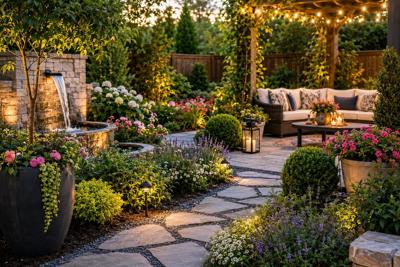
A beautiful garden does not have to be massive, wildly expensive, or designed by someone who uses the word “hardscape” before coffee. The most polished outdoor spaces usually come down to a few smart choices: layered greenery, flattering lighting, comfortable seating, clean edges, and just enough drama to make the neighbors slow down on their walk.
That is the quiet magic of good garden design. A garden should feel intentional, not like a collection of random pots that followed you home from the nursery. With the right upgrades, even a modest outdoor space can look more expensive, more serene, and far more enjoyable to use.
These garden upgrade ideas are designed for homeowners who want their outdoor space to feel elegant without turning it into another high-maintenance project. Because a garden should bring peace, not become one more thing silently judging you from outside the kitchen window.
Start With Structure Before You Buy Another Plant
The fastest way to make a garden look more expensive is to give it structure. Before adding flowers, furniture, fountains, or another charming pot that somehow costs more than dinner, look at the bones of the space. A polished garden needs clear edges, defined zones, and a sense of rhythm.
That can mean trimming overgrown shrubs, edging the lawn, adding stepping stones, grouping planters, or creating a clear pathway from the patio to the seating area. These details may sound simple, but they make the difference between “lush garden” and “we lost the dog in there sometime Tuesday.”
Use repetition to make the space feel designed. Matching planters, repeated shrubs, similar materials, or a consistent color palette can instantly calm a busy garden. If the patio is stone, echo that tone in a pathway or planter. If your furniture is warm wood, repeat that warmth with natural accents or woven textures.
For more outdoor design inspiration, FINE readers may also enjoy 8 Fantastic Ideas to Accentuate Your Landscape, which offers additional ways to make a yard feel more finished and intentional.
Use Lighting Like Jewelry for the Garden
Lighting is one of the easiest garden upgrade ideas because it changes the entire mood of the space without requiring a full redesign. During the day, your garden may be about color and texture. At night, it becomes about glow, shadow, and atmosphere.
String lights can be lovely, but they should not be the only trick. Layer lighting the way you would layer lighting indoors. Use path lights to guide movement, uplights to highlight trees or architectural plants, lanterns around seating areas, and soft fixtures near dining spaces. The goal is not to make the backyard look like a stadium. The goal is to make it feel warm, flattering, and inviting.
Warm white lighting usually feels more elegant than harsh blue-white lighting, especially in a garden. It softens stone, flatters greenery, and makes people look better, which is frankly one of the more underrated benefits of outdoor design.
Lighting also helps extend the use of the garden beyond the afternoon. A pretty seating area that disappears after sunset is decorative. A well-lit garden becomes an outdoor room you can actually use.
Add Water Without Overcomplicating the Space
A water feature can make a garden feel instantly more relaxing. The sound of moving water softens street noise, adds movement, and gives the garden a sense of calm. It also makes the space feel more established, as if someone with excellent taste and a very organized calendar lives there.
The good news is that a water feature does not need to be grand. A small fountain, ceramic basin, modern wall fountain, or compact bubbling feature can be enough. In smaller gardens, restraint is usually better. A fountain should feel like a soothing detail, not like the Bellagio moved into the side yard.
For larger properties, water can become a stronger design element. A pond, reflecting pool, or small waterfall can create a destination within the garden. Just make sure it fits the scale of the space and does not create a maintenance burden that ruins the whole point of having it.
Water-conscious design also matters. The U.S. Environmental Protection Agency notes that rain gardens can help collect and filter stormwater runoff while adding beauty to the landscape. That makes them a smart choice for homeowners who want a garden that is both attractive and functional.
Choose Plants That Look Intentional, Not Accidental
Plants are where a garden gets its personality. They are also where many gardens go slightly off the rails. A few beautiful plants can look elegant. Too many unrelated plants can start to look like the clearance table at a nursery had a very emotional weekend.
Choose plants with a plan. Think in layers: taller shrubs or trees in the back, medium-height plants in the middle, and lower flowers, grasses, or groundcovers toward the front. This gives the garden depth and helps every plant look like it belongs.
Native plants are especially worth considering because they can support local wildlife and often require less fuss once established. The National Wildlife Federation recommends planting native blooming trees, shrubs, and wildflowers to provide pollinators with nectar and pollen, while also offering water and reducing pesticide use.
If you want the garden to feel polished, pay attention to texture as much as color. Ornamental grasses, sculptural succulents, glossy shrubs, climbing vines, and soft flowering plants can create a layered, sophisticated look. For more inspiration on bringing a garden to life naturally, read FINE’s When a Garden Feels Alive: How Birds Elevate Outdoor Living.
Create a Seating Area That Feels Like a Destination
A garden becomes more valuable when people actually want to sit in it. A bench tucked under a tree, a small bistro table near flowering plants, or a pair of lounge chairs beside a fountain can turn the garden from something you look at into somewhere you live.
The seating does not have to be elaborate. In fact, one beautiful seating moment often works better than too many scattered chairs. Choose a spot with a view, shade, or privacy. Add a side table, a cushion, a throw, or a lantern, and suddenly the garden has a purpose beyond being admired from the kitchen sink.
If the garden connects to a patio, use furniture to create flow between the spaces. A patio should feel like the social part of the garden, while smaller seating nooks can feel more private. This gives the outdoor space layers, which is one of the easiest ways to make it feel more luxurious.
For related outdoor living ideas, see FINE’s Ultimate Patio Furniture Guide and Outdoor Living: How Outdoor Rugs Can Enhance Your Patio Experience.
Use Planters as Design Pieces
Planters are not just containers. They are design tools. A large sculptural planter can anchor an entry, define a patio, soften a bare wall, or add height to a flat garden. The trick is to choose fewer, better planters instead of scattering small mismatched pots everywhere.
Large planters tend to look more expensive than small ones because they create scale. Use them in pairs near doors, along pathways, or at the edge of a seating area. Stick with materials that complement the home, such as stone, ceramic, concrete, terracotta, metal, or weathered wood.
Plant combinations should feel layered but not chaotic. Try one tall plant, one fuller middle plant, and one trailing plant to soften the edge. This formula works because it gives height, volume, and movement without requiring a degree in botanical theater.
Planters are also useful for renters, smaller spaces, patios, and homeowners who want seasonal color without reworking the entire landscape. A few updated containers can make an older garden feel refreshed almost immediately.
Make the Garden Easier to Maintain
The most elegant garden is not always the most complicated one. In fact, the best garden upgrade ideas often reduce maintenance rather than adding to it. A garden that requires constant attention may look impressive for one weekend, then quickly become another unpaid job with mulch.
Choose plants that suit the climate, soil, and sun exposure. Add mulch to help retain moisture and reduce weeds. Group plants with similar water needs together. Replace unused lawn areas with planting beds, gravel, pathways, or seating zones if the grass is not serving a real purpose.
Water-wise landscaping can be both practical and beautiful. NOAA Fisheries notes that native plants can require less water, fertilizer, and maintenance when properly located, while their roots help soil store and absorb water. For homeowners who want a garden that feels refined and responsible, that is a strong design argument.
FINE’s Low-Maintenance Landscaping Ideas for Busy Homeowners and Eco-Friendly Landscaping Solutions offer more practical ways to make outdoor spaces easier to manage.
Add One Memorable Feature
Every great garden needs a focal point. It does not have to be enormous. It just needs to give the eye somewhere to land. A fountain, arbor, sculptural tree, oversized planter, garden bench, outdoor mirror, stone pathway, or dramatic cluster of plants can all create that moment.
This is where the garden can show personality. A traditional home may look beautiful with boxwood, roses, gravel paths, and classic urns. A modern home may call for architectural grasses, sleek planters, concrete, and clean lines. A coastal home may benefit from relaxed greenery, weathered textures, and soft, breezy seating.
The focal point should feel intentional, not random. If everything in the garden is shouting for attention, nothing feels special. Choose one or two standout features, then let the rest of the space support them.
That restraint is what makes a garden feel expensive. Luxury is not always more. Sometimes it is knowing when to stop before the ceramic frog collection gets involved.
The Best Garden Upgrades Feel Effortless
A beautiful garden should feel like an extension of the home, not an afterthought behind it. With structure, lighting, thoughtful planting, comfortable seating, water-conscious choices, and one memorable feature, an ordinary outdoor space can become something far more inviting.
The best gardens do not need to be perfect. They need to feel considered. A little wildness is charming. A little imperfection is human. But when the space has rhythm, texture, comfort, and purpose, it feels elevated without feeling stiff.
Start with the upgrades that will make the biggest difference: clean edges, better lighting, stronger planters, layered greenery, and a seating area you will actually use. The garden will look better, feel better, and finally stop being that place you promise to deal with “next weekend.”

(0) comments
We welcome your comments
Log In
Post a comment as Guest
Keep it Clean. Please avoid obscene, vulgar, lewd, racist or sexually-oriented language.
PLEASE TURN OFF YOUR CAPS LOCK.
Don't Threaten. Threats of harming another person will not be tolerated.
Be Truthful. Don't knowingly lie about anyone or anything.
Be Nice. No racism, sexism or any sort of -ism that is degrading to another person.
Be Proactive. Use the 'Report' link on each comment to let us know of abusive posts.
Share with Us. We'd love to hear eyewitness accounts, the history behind an article.