
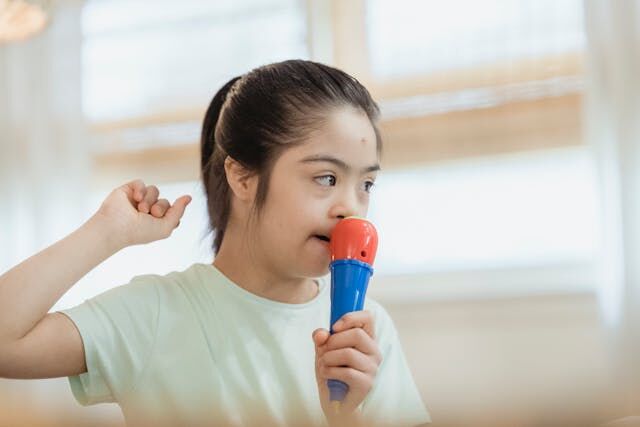
For children with autism, pets offer more than just companionship—they provide emotional, social, and sensory support that fosters growth and comfort. The unique bond that pets offer can be transformative, especially for children who benefit from non-verbal, non-judgmental companionship.
Numerous studies show that therapy pets for children can positively impact developmental skills, such as communication and empathy, making them valuable allies for children with autism. Whether it’s helping manage routines or reducing anxiety, pets open new pathways for engagement, growth, and resilience.
Here, we explore ten ways pets can positively impact children with autism, enhancing both their well-being and development.
1. Emotional Bonding
The deep, non-verbal bond pets form with children is often especially meaningful for those with autism. Dogs, cats, and other animals offer unconditional companionship that children find comforting and easier to trust.
This type of emotional connection formed between pets and autism helps children to explore their feelings in a judgment-free space, fostering empathy and helping them better understand and express their emotions.
For many children, a pet offers the emotional comfort and acceptance that can be hard to find in human relationships, creating a unique avenue for bonding, self-worth, and emotional growth that supports their broader development.
2. Providing Routine and Structure
For children with autism, consistency and routine are essential, and pets can provide this structure in meaningful ways. Daily activities like feeding, walking, and grooming a pet offer predictable, scheduled tasks that children come to rely on, creating a daily rhythm that feels safe and familiar.
Pets bring stability and a structured responsibility that can help reduce anxiety around changes and transitions. This structured interaction with a pet not only reinforces positive habits but also makes children feel more grounded and secure, giving them a stable anchor in their daily lives that can enhance their overall well-being.
3. Reducing Anxiety
Pets provide natural comfort and grounding, especially valuable for children with autism who experience heightened anxiety. The presence of a familiar, calming pet can make overwhelming situations more manageable.
Studies show that the benefits of pets for children with autism may include:
Reducing cortisol levels
Lowering blood pressure
Increasing serotonin
Whether it’s a comforting dog or a purring cat, the steady, non-judgmental companionship of a pet helps children feel safe and secure. For children with autism, this sense of calm can be instrumental in managing anxiety, providing them with a reliable coping tool for navigating stressors.
4. Sensory Support
Children with autism often experience unique sensory needs, and pets provide therapeutic, sensory-friendly interactions. Physical contact with pets can offer a comforting tactile experience, with activities that include:
Petting
Brushing
Hugging
For children who seek sensory input, this touch provides a calm, grounding effect, creating positive associations with touch. The natural warmth and softness of a pet’s fur or the rhythmic sound of their breathing can have a profound calming influence.
This sensory engagement helps children self-regulate, providing a reliable way to meet sensory needs without overstimulation, which can be particularly helpful in managing sensory processing sensitivities.
5. Encouraging Communication
Pets offer a comfortable platform for children with autism to practice communication skills without pressure or judgment.
Many children find it easier to “talk” to their pets, expressing feelings, needs, or stories openly. This form of interaction builds confidence, as pets are forgiving listeners who respond in comforting ways.
Over time, children may feel more comfortable verbalizing their needs and emotions with family and peers, translating these non-verbal interactions into real-life communication skills.
Pets foster an environment where children feel encouraged to communicate, providing gentle practice that supports both verbal and non-verbal language development.
6. Building Social Skills
Social situations can be daunting, but studies show pets helping children with autism by facilitating social interactions. Walking a dog or visiting the vet often creates natural opportunities for children to interact with others in a less pressured way.
Pets offer a common ground that eases social exchanges, making children feel more at ease while practicing social cues and responses. This social “practice” with a pet provides children with essential skills for navigating human interactions, creating an environment where they can feel comfortable, less isolated, and ready to engage in a more socially supported way.
7. Enhancing Motor Skills
Interacting with pets often involves physical tasks that can improve both fine and gross motor skills. Activities like feeding, brushing, or playing fetch with a dog can engage childrens’:
Hand-eye coordination
Strength
Dexterity
These motor-skill-building exercises are enjoyable and motivating, making it easier for children to practice skills that might otherwise feel challenging.
Additionally, tasks like throwing a ball or opening a pet’s food container can reinforce body awareness and movement control. Through playful, hands-on engagement, pets help children with autism develop their motor skills, contributing to their overall physical development and confidence.
8. Boosting Confidence and Independence
Caring for a pet offers children a unique sense of responsibility, which boosts their confidence and encourages independence. Tasks like feeding or grooming a pet empower children, helping them feel capable and valued. This responsibility nurtures self-esteem, giving children the satisfaction of caring for another living being and witnessing their positive impact.
Over time, this daily responsibility builds a sense of self-worth and autonomy that carries over into other areas of their lives. With a pet to care for, children with autism can explore independence in a controlled, rewarding way, building essential life skills along the way.
9. Reducing Loneliness
For children with autism, forming connections can be challenging, often leading to loneliness. Pets provide steadfast companionship that can help ease these feelings of isolation. A loyal pet offers comfort and acceptance, providing children with a friend who is always there, ready to listen and play.
Pets become constant, trusted companions, creating a bond that helps children feel less alone and more supported. This companionship provides emotional relief and a sense of belonging, helping children combat loneliness in a safe, reliable way that fosters comfort and happiness in their daily lives.
10. Teaching Empathy and Compassion

Having a pet teaches children the importance of empathy and compassion, as they learn to understand and respond to their pet’s needs. This nurturing experience helps children recognize the emotions and comfort of another being, fostering patience and kindness.
Caring for a pet involves understanding their feelings, which encourages children to think beyond their own experiences and consider others. These skills are invaluable for social and emotional growth, creating a foundation for children to connect meaningfully with others in life.
Pets provide children with an opportunity to develop empathy in a natural, accessible way that builds lasting social skills.
The presence of a pet can greatly enhance the well-being and development of a child with autism. From fostering social skills to providing sensory comfort, pets bring stability, companionship, and joy to children’s lives, supporting their growth in countless ways.
For families, adopting a pet offers a pathway to new learning experiences, emotional support, and a bond that enriches everyday life.
If you’re considering a pet to support your child, consult Pettable, the best ESA letter service on the market, to learn more about your options.
Learn more about the valued ESA letter and ESA for autism, or dive in deeper to emotional support animals for autism and service animals for autism, ensuring your family finds the right fit.
Related Article:
Post a comment as Guest
Report
Watch this discussion.
(0) comments
We welcome your comments
Log In
Post a comment as Guest
Keep it Clean. Please avoid obscene, vulgar, lewd, racist or sexually-oriented language.
PLEASE TURN OFF YOUR CAPS LOCK.
Don't Threaten. Threats of harming another person will not be tolerated.
Be Truthful. Don't knowingly lie about anyone or anything.
Be Nice. No racism, sexism or any sort of -ism that is degrading to another person.
Be Proactive. Use the 'Report' link on each comment to let us know of abusive posts.
Share with Us. We'd love to hear eyewitness accounts, the history behind an article.