
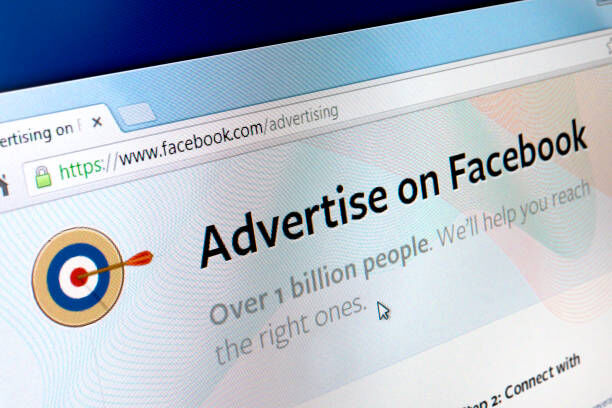
In the fast-paced world of e-commerce, businesses are continuously looking for innovative ways to enhance their advertising efforts and increase their return on investment (ROI). One powerful strategy gaining traction is the use of white-label Facebook ads. These ads allow e-commerce businesses to leverage high-quality, pre-built ad campaigns tailored for their products, without the need for in-house design and strategy development. But how can e-commerce businesses effectively maximize ROI with white-label Facebook ads? Here’s a closer look.
What Are White-Label Facebook Ads?
White-label Facebook ads refer to pre-designed advertising campaigns that are created by experts but branded and resold to businesses under their own name. This solution is particularly beneficial for e-commerce businesses looking to cut down on the time and resources needed to develop ad creatives from scratch. White-label solutions often come with well-researched strategies, targeting, and creatives optimized for specific industries or audiences.
By adopting these ready-made campaigns, e-commerce businesses can skip much of the trial and error that comes with developing ads themselves. This enables them to focus on scaling their businesses without having to worry about constantly fine-tuning their advertising approach.
Advantages of Using White-Label Facebook Ads for E-commerce
Time and Cost Efficiency
One of the primary advantages of using white-label Facebook ads is the time and cost savings. Designing effective Facebook ad campaigns requires expertise in areas like targeting, ad design, copywriting, and testing. With white-label solutions, e-commerce businesses can bypass the lengthy development process, saving both time and money. The ads are designed by professionals, so businesses don’t have to hire an entire team to handle their advertising needs.Optimized for Performance
White-label Facebook ads are typically created by experienced marketing professionals who understand the intricacies of Facebook’s ad platform. These ads are carefully crafted to perform well across different demographics and audiences. The ads include proven strategies for copywriting, creative design, and targeting, all of which are optimized to drive conversions. As a result, e-commerce businesses using white-label ads are more likely to see an increase in click-through rates and conversions.Scalability
For e-commerce businesses, scaling their advertising efforts is essential for growth. White-label Facebook ads make scaling easier because they are already optimized for performance. Whether a business wants to expand to new audiences, target different geographical regions, or test new product lines, white-label ads can be quickly adapted to fit various needs. This flexibility allows businesses to adjust their campaigns quickly as they grow.Focus on Core Business Operations
With pre-designed campaigns in place, e-commerce businesses can focus on what matters most: running their day-to-day operations. Instead of dedicating resources to managing Facebook ad campaigns, businesses can focus on product development, customer service, and order fulfillment. This way, they ensure that they are working efficiently and effectively toward achieving their business goals.
How to Maximize ROI with White-Label Facebook Ads
Tailor the Ads to Your Brand
While white-label Facebook ads come with pre-made designs and strategies, it’s essential to personalize them to fit your brand’s identity. Adjust the messaging, images, and calls-to-action (CTAs) to align with your brand voice and tone. This will help you build a stronger connection with your audience and improve the likelihood of conversions.Use Advanced Targeting Options
Facebook offers powerful targeting features, allowing businesses to target specific demographics, interests, behaviors, and more. By leveraging these advanced targeting options, e-commerce businesses can ensure that their white-label ads are reaching the most relevant audiences. This targeted approach improves the efficiency of ad spend and helps maximize ROI.Test and Optimize
Even though white-label Facebook ads are optimized for performance, it’s still essential to monitor their performance and make adjustments as needed. Testing different ad variations, adjusting targeting parameters, and tweaking ad copy can help you refine your campaigns for better results. Regularly reviewing your campaigns and making data-driven decisions will help you achieve the highest possible ROI.Leverage Retargeting
Retargeting is a powerful tool for increasing conversions and boosting ROI. White-label Facebook ads can easily be adapted for retargeting campaigns, allowing businesses to reach users who have previously interacted with their website or ads but didn’t convert. By reminding potential customers about your products or services, you increase the chances of securing a sale and improving your ROI.
Conclusion
In the competitive world of e-commerce, finding efficient and cost-effective ways to run successful advertising campaigns is key. White-label Facebook ads offer businesses the opportunity to leverage professionally designed, high-performing ads while saving time and money. By tailoring the ads to their brand, using advanced targeting, testing and optimizing regularly, and incorporating retargeting strategies, e-commerce businesses can maximize their ROI and drive sustainable growth. Whether you're just starting out or looking to scale, white-label Facebook ads provide a reliable and efficient solution for achieving success.
Post a comment as Guest
Report
Watch this discussion.
(0) comments
We welcome your comments
Log In
Post a comment as Guest
Keep it Clean. Please avoid obscene, vulgar, lewd, racist or sexually-oriented language.
PLEASE TURN OFF YOUR CAPS LOCK.
Don't Threaten. Threats of harming another person will not be tolerated.
Be Truthful. Don't knowingly lie about anyone or anything.
Be Nice. No racism, sexism or any sort of -ism that is degrading to another person.
Be Proactive. Use the 'Report' link on each comment to let us know of abusive posts.
Share with Us. We'd love to hear eyewitness accounts, the history behind an article.