
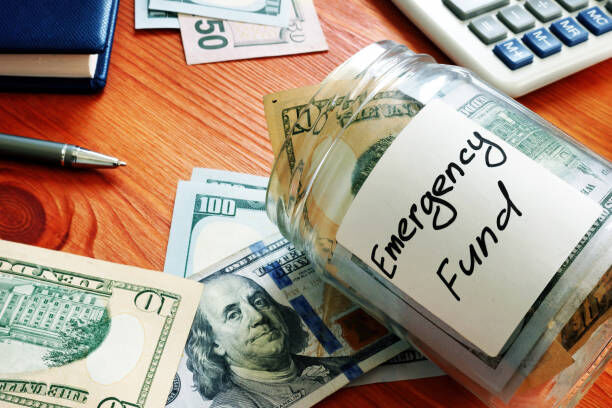
Emergency fund in the glass jar with cash.
The cost of living in the United States has been steadily increasing since the pandemic. In fact, according to the Economic Research Service, the all-items Consumer Price Index rose to 0.2% from April 2024 to May 2024, with signs indicating that it will still grow throughout the year.
While it’s discouraging to read these facts, it’s not impossible to sustain yourself through this current economic climate. For example, a budgeting system can help you save money for recurring expenses and cut back on unnecessary spending. If you diversify your streams of income instead of having one, you can boost your earnings potential and increase your chances of having financial stability!
What if you face unexpected expenses during a financial crisis? If you don’t have any savings, an economic recession can knock you down and leave you in a cycle of debt that is difficult to escape. That’s why many experts recommend that people have an emergency fund ready for these situations. Through this cash reserve, you can feel secure in having enough money for unforeseen costs and manage yourself through difficult circumstances.
Of course, the amount of money you put into an emergency fund will vary depending on your needs and preferences. Many financial advisors will recommend depositing at least three to six months’ worth of expenses. If that seems like a high number, you can start putting small amounts into your account each week until you have a decent total saved for unexpected expenses.
Whatever amount you choose to put away for a rainy day, it’s important to have some money ready for emergencies. Without a sufficient emergency fund, you may have to rely on emergency loans from this website. Continue reading to learn when to use an emergency fund and how you can save cash for your dedicated savings account.
When is it Appropriate to Use an Emergency Fund?
Reading the term “emergency fund” may indicate that you should only use this money for large, unexpected expenses. While emergency funds are partly used for these scenarios, you can apply that cash to small, unforeseen costs. What’s important is that you only tap into your savings account when you don’t have the funds available for your financial situation.
Ensure you review your circumstances and decide if it’s worth using the money from your emergency fund. Don’t use your cash reserve to pay down your debt or for unnecessary items, like entertainment, vacations, investments, or anything that isn’t an emergency.
Take a look at some common scenarios where an emergency fund can be useful when facing sudden bills and need to stay afloat:
- Medical Expenses: Getting the healthcare you need in America is challenging with all the expensive bills you must cover. According to HealthCare.Gov, the average cost of a three-day stay at the hospital is around $30,000, which is very expensive to afford on your own! Although healthcare insurance can help cover some of the costs, it’s possible that you’ll have to pay the rest independently. So, if you have an emergency fund available, you can use some of that cash to repay what’s left of your medical bill.
- Urgent Repairs: An unforeseen repair on your house or car can seem daunting. Even the smallest fix on both options can result in an expensive bill that will take a huge chunk out of your gross income. If your home or vehicle needs an urgent, costly repair, then an emergency fund can be useful in that situation.
- Last-Minute Travel: Suppose you have loved ones who live in another state or country. In that case, it can be stressful to have an unexpected trip if they fall ill or are struggling with an emergency. Not only would you have to cover the plane ticket, but you might have to pay for living expenses, like your stay, food, and transportation. Fortunately, you can use your emergency fund to pay for your last-minute trip without worrying about exploding your budget. If possible, you can use that account to pay for specific expenses and use your gross income to cover the other costs.
- Job Loss: Losing a job can make you feel uneasy about what to expect in the future. With all the recurring payments you must cover every month, it’s understandable to worry about sustaining yourself financially. Luckily, an emergency fund can help you manage your expenses while you’re looking for a new job! If your job search ends up being longer than expected, you can try using side hustles as an additional source of income to survive the upcoming months.
- Child Care: Having children is a massive responsibility that takes up many of your finances. If you don’t have enough money for medical costs, the daycare center, or a school semester, you can use your emergency funds to manage those payments. Don’t hesitate to use other resources like a car title loan or personal loan to cover the costs and save more money in your cash reserve.
How Can I Save Money for My Emergency Fund?

Male hand depositing some extra money in future needs closeup
Building an emergency fund is only possible when you put in the work to save money. If you need assistance with growing your account, you can use the following strategies to achieve that goal:
- Set Up Automatic Transfers with a Specified Date (e.g., Every Day, Week, or Month)
- Split Your Paycheck Between Your Checking and Savings Account if Possible
- Follow a Budget Plan Like the 50/30/20 Rule or the Envelope System to Save Cash
- Be Consistent with Your Savings Date and Regularly Monitor Your Progress
- Limit Your Frivolous Spending and Prioritize Your Emergency Fund
- Take on a Side Gig to Grow Your Savings Even Further
- Review Your Emergency Fund Every Couple of Months and Adjust When Necessary
As long as you have a savings goal in mind, it can be easy to find a strategy to help you increase your emergency fund. Just find a good account to keep your money and stick to a method that works for you. Don’t stop saving cash even after meeting your objective since you’ll never know when you will need those funds for another situation.
Conclusion – Be Smart with Your Savings and Confidently Build Your Emergency Fund
The answer to the question “How much do I really need in my emergency fund?” is relative to your preferences. Ultimately, you should pick an amount that works for your current economic situation and choose an effective strategy to help you save money. Don’t forget to only use the funds from your account when necessary and continue saving cash even after you meet your goals.
Here are some other articles related to your search:
Post a comment as Guest
Report
Watch this discussion.
(0) comments
We welcome your comments
Log In
Post a comment as Guest
Keep it Clean. Please avoid obscene, vulgar, lewd, racist or sexually-oriented language.
PLEASE TURN OFF YOUR CAPS LOCK.
Don't Threaten. Threats of harming another person will not be tolerated.
Be Truthful. Don't knowingly lie about anyone or anything.
Be Nice. No racism, sexism or any sort of -ism that is degrading to another person.
Be Proactive. Use the 'Report' link on each comment to let us know of abusive posts.
Share with Us. We'd love to hear eyewitness accounts, the history behind an article.