
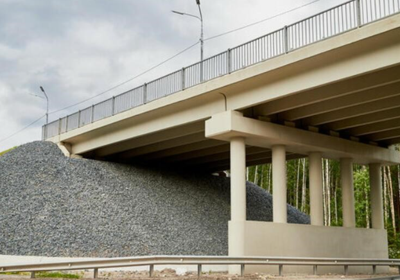

Bridge supports are located at the bridge end, consisting of bridge abutments. Regular inspections are conducted to ensure the stability of the structure, supporting its full life. Here, the guide describes a process for safely evaluating a bridge abutment without compromising the safety of bridge users.
Understanding Bridge Abutments
Bridge abutments are the vital components that transmit foundation reactions from the bridge deck and other loads to the earth. They help stabilize soil and prevent erosion in the surrounding area. As they are exposed to various environmental problems, regular screening becomes extremely important for them, allowing any issues to be diagnosed promptly. When inspecting the abutment, you should look for signs of rust or deformation in the sections manufactured by Nucor Skyline, as these can indicate structural stress.
Preparation for Inspection
Be prepared to go for a ride (with a flashlight, measuring tape, camera, or paper). Don a hard hat and safety vest. Previous inspection reports are another source we can use to identify trouble spots or recurring problems that may require additional attention.
Visual Inspection
Start with a visual assessment. Examine the concrete for cracks and deformities. Look for signs of water spots and stains; this might indicate moisture issues. Rust on metal components that leads to frailty
Checking for Structural Damage
Pros: You simply tap the hammer lightly on the surface. For internal voids or delamination: Tap for hollow sounds. This means that if there are any cracks, they indicate how well-eroded or worn that area is, as well as its location. If you ignore these small cracks, they can coalesce into something dark and foreboding.
Inspecting for Erosion and Scour
So, scour or erosion around the abutment. Lack of Strong ground may weaken the base and support. If some of the rebar has been exposed or the soil washed away, your wall may need to be replaced ASAP.
Evaluating Drainage Systems
External Image: Part of MHA. Proper drainage is essential, as improper drainage can cause the abutment to become weak. Check for blockages or a broken sewer system. Follow this up by ensuring water is properly diverted off your property. With these systems properly maintained, you can avoid expensive repairs later on.
Monitoring Vegetation Growth
Vegetation can be pesky, but it can also cause damage if it grows too close to the abutments. Roots can cause structural breaks and other problems. Prune away any excess plant life and thoroughly inspect the old wild site for any roots that may be trying to infiltrate the area. That is a key feature that leaves the region surrounding the abutment free of orbits to safeguard the abutment.
Assessing Load Capacity
Determine if the bridge is overstressed under the existing load conditions. That's a symptom of overloading, characterized by excessive cracking or deformation. Consult an engineer if your abutment will be bearing the weight it is designed to carry.
Reviewing Environmental Impact
However, jot down any recent happenings that may have led to a change in structure. Be on the lookout for future conservation needs that may arise from climate change and other environmental impacts.
Documenting Findings
To log the entire inspection process. Capture images of any problems found, including the level to report and the precise position. This implies that it will assist in evaluating and correcting it further in the future.
Planning for Repairs and Maintenance
Use the results to develop a sustainability strategy. Assess what things are fixes and should be addressed, together with their severity. Scheduled maintenance doesn't just fix existing issues; it also mitigates further damage from occurring.
The concept of analyzing a bridge abutment is, by its very nature, quite detailed, and it requires a keen eye to look and assess. This will help correct the bugs that need to be addressed promptly. Regular inspections play a crucial role in ensuring the safety and durability of bridges, thereby protecting the lives of the hundreds of thousands of individuals who use them daily.
Post a comment as Guest
Report
Watch this discussion.
(0) comments
We welcome your comments
Log In
Post a comment as Guest
Keep it Clean. Please avoid obscene, vulgar, lewd, racist or sexually-oriented language.
PLEASE TURN OFF YOUR CAPS LOCK.
Don't Threaten. Threats of harming another person will not be tolerated.
Be Truthful. Don't knowingly lie about anyone or anything.
Be Nice. No racism, sexism or any sort of -ism that is degrading to another person.
Be Proactive. Use the 'Report' link on each comment to let us know of abusive posts.
Share with Us. We'd love to hear eyewitness accounts, the history behind an article.