
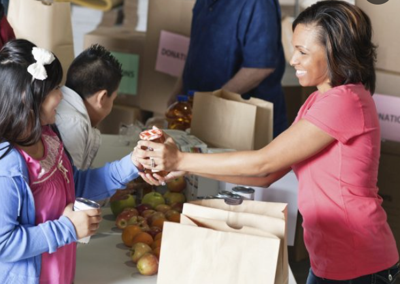

Every year, food banks help communities, especially in tough times. They are important resources for people and families in need, providing food and a sense of community. Donating to a food bank is a great way to give back, and it's essential to do this with care. To prepare for a donation, understand what food banks need, how to gather those items, and the donation guidelines.
By the end of this article, you'll have practical tips to make your donation process easy and effective. Let's look at how to prepare for donating to a food bank.
Choosing the Right Food Bank
First, find a food bank that matches your values. Many local food banks serve your neighbourhood. Some belong to larger national groups, while others are local initiatives. Research their missions to understand the specific needs they address.
Know what types of food banks are in your area. Some focus on non-perishable items, while others may accept fresh produce or prepared meals. This knowledge helps you tailor your donations to what the food bank needs.
Understanding Donation Guidelines
Before you gather items to donate, learn the food bank's donation guidelines. Each food bank has its own rules about what it can accept. Many have websites or pamphlets listing preferred items. Common donations include canned goods, pasta, rice, and shelf-stable proteins like peanut butter or canned beans.
Check for any restrictions on expiration dates or certain food items. For instance, many food banks cannot accept homemade goods for safety reasons. Knowing these guidelines helps you focus on items that will have an immediate impact.
Collecting Items with Purpose
Once you've chosen a food bank and know the donation guidelines, it's time to gather items. Make a plan for collecting food. Consider hosting a food drive in your community, workplace, or among friends and family. This not only increases your donation but also raises awareness about the food bank's mission.
If you shop for items, make a list based on the food bank's guidelines. Look for sales to get the most for your contributions. Buying in bulk can also help, as many food banks appreciate larger quantities of specific items.
Quality Over Quantity
While it's wonderful to donate as much as possible, the quality of the food you donate is crucial. Food banks aim to provide nutritious options for those they serve, which means they prefer to accept items that are not only within their guidelines but also fresh and nutritious. Check expiration dates and inspect the packaging to ensure everything is intact.
Finding healthy items that meet specific dietary needs can make a difference. Many food banks are now seeking to offer more balanced options, so including items low in sodium and sugar, or labelled gluten-free, can enhance their offerings. This thoughtful approach to donations can help ensure the food bank serves its clients better.
Engaging with Volunteers
When you're ready to drop off your donation, consider engaging with the volunteers. Many food banks thrive on the dedication of their volunteers, who help manage operations, stock shelves, and distribute food. Taking the time to chat with them can provide insight into the community's ongoing needs and the food bank's current initiatives.
By connecting with the food bank staff or volunteers, you might discover additional ways to help, including opportunities for your future donations or even volunteering your time. Many food banks welcome extra hands and would appreciate your willingness to spread the word about their mission.
The Joy of Giving Back
Donating to a food bank is not just an act of charity. It creates a sense of community. Knowing that your contributions will help feed families and support individuals in tough times can bring immense satisfaction. It's heartwarming to think about the faces of those who will benefit from your generosity.
Whether you can give a little or a lot, every donation counts. Engaging in this act of kindness creates a ripple effect that helps nurture a spirit of compassion within your community.
Spreading Awareness
One powerful way to support food banks is by raising awareness in your community. Share information about what the food bank does and what it needs on social media, local groups, or at community events. Your voice can inspire others to donate or volunteer, creating a united effort to fight hunger in your area. If you want to get more involved, consider participating in food bank volunteer work.
Think about organizing events that collect food and teach people about food insecurity and the role of food banks. Work with schools, local businesses, or community centres to spread the message. This teamwork helps build connections in your community while supporting a crucial cause.
Post a comment as Guest
Report
Watch this discussion.
(0) comments
We welcome your comments
Log In
Post a comment as Guest
Keep it Clean. Please avoid obscene, vulgar, lewd, racist or sexually-oriented language.
PLEASE TURN OFF YOUR CAPS LOCK.
Don't Threaten. Threats of harming another person will not be tolerated.
Be Truthful. Don't knowingly lie about anyone or anything.
Be Nice. No racism, sexism or any sort of -ism that is degrading to another person.
Be Proactive. Use the 'Report' link on each comment to let us know of abusive posts.
Share with Us. We'd love to hear eyewitness accounts, the history behind an article.