
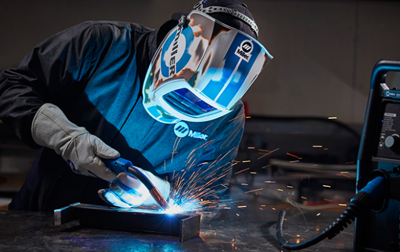

Welding is an important skill that combines creativity and engineering. It joins different materials to create strong structures and detailed designs. Whether you are an experienced welder or just starting, it's crucial to learn how to use welding equipment correctly. Thanks to modern technology, welding is more accessible than ever, enabling you to work on a wide range of projects. From making metal furniture to fixing cars, using the right welding methods ensures safety and good results.
Starting welding can be challenging due to the many tools and techniques available. But if you take a patient, step-by-step approach, you can make the learning process easier. It's all about having the right tools, knowing how they work, and practicing your skills to gain confidence. Let's look at how to use welding equipment properly for a rewarding experience.
Safety First
Safety gear is essential for any welding task. Before using your welder, make sure you have the key safety items, such as a welding helmet, gloves, and protective clothing. A welding helmet protects your eyes and face from harmful UV rays and sparks, while gloves guard your hands against heat and cuts. Wear flame-resistant clothing to reduce the risk of burns from sparks or hot metal.
Good ventilation is also crucial for a safe workspace. Always work in areas with good airflow to avoid breathing harmful fumes. If you are welding indoors, use a fan or exhaust system to keep the air clean. Being prepared helps you focus on your work without distractions.
Welding Supplies
Having the right welding supplies can improve your experience and results. In addition to the welder, other supplies are crucial for smooth operations. For instance, welding rods and filler materials are necessary for strong joints. Choosing the right rod or filler for your project ensures your weld is strong and durable. The quality of these materials directly affects how well they bond and withstand stress.
Tools such as clamps and ground cables are also important for proper setup. Clamps hold your workpieces steady during welding, and good ground cables help produce quality welds. Using high-quality supplies not only makes your work easier but also saves time by reducing mistakes or rework caused by poor materials.
Understanding Welding Equipment
Knowing your equipment is key to successful welding. Different welding methods, like MIG (Metal Inert Gas), TIG (Tungsten Inert Gas), and Stick welding, require specific machines and techniques. Each method has its benefits, so it's important to choose the right one for your project.
MIG welders are versatile and commonly used. They work by feeding a continuous wire and shielding gas to melt metal and join pieces. This makes them suitable for various materials, such as steel and aluminum, and perfect for both light and heavy jobs. Understanding the settings on your MIG welder, such as voltage and wire speed, helps you achieve a clean, even weld.
Take time to learn your welding machine's settings and controls for better results. Each welder has different configurations, so don't hesitate to read the manual or look for online guides that help you adjust for different materials and needs.
Practicing Techniques
Improving your welding skills requires practice and patience. Set aside time to try different techniques. Start with simple projects to build confidence, then gradually work on more complex ones as you improve. Practicing on scrap metal lets you learn without the pressure of creating a perfect piece.
Focus on your welding technique, since it affects the quality of your work. Keep a steady hand, hold the correct angle, and control your speed for good welds. Aim for a consistent bead that is not too thick or too thin. This practice not only sharpens your skills but also helps you develop attention to detail.
Maintaining Equipment
Proper maintenance of your welding equipment is crucial for keeping it working well and lasting longer. Regularly clean your welder by removing spatter and checking cables for wear. This can help prevent problems while you work. Also, check gas connections and regulators for leaks to ensure everything is functioning properly before each use.
Store your welding equipment in a clean, dry place to avoid rust and damage. This saves you time and money on future replacements. A little care goes a long way in keeping your tools in good shape. Welding is a rewarding and creative process. With the right tools and a commitment to learning, you can achieve excellent results. Enjoy each moment as you develop your welding skills.
Post a comment as Guest
Report
Watch this discussion.
(0) comments
We welcome your comments
Log In
Post a comment as Guest
Keep it Clean. Please avoid obscene, vulgar, lewd, racist or sexually-oriented language.
PLEASE TURN OFF YOUR CAPS LOCK.
Don't Threaten. Threats of harming another person will not be tolerated.
Be Truthful. Don't knowingly lie about anyone or anything.
Be Nice. No racism, sexism or any sort of -ism that is degrading to another person.
Be Proactive. Use the 'Report' link on each comment to let us know of abusive posts.
Share with Us. We'd love to hear eyewitness accounts, the history behind an article.