
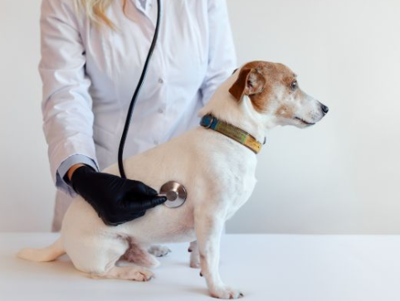

Pets are part of the family, and modern pet owners are paying closer attention to their overall health and happiness than ever before. Wellness is no longer just about regular feeding and daily walks. Today’s approach focuses on creating a balanced lifestyle that supports physical health, mental stimulation, emotional comfort, and long-term wellbeing.
From smarter nutrition choices to better exercise routines, small habits can make a big difference in a pet’s quality of life. Here are some modern pet wellness habits every owner should think about introducing into their routine.
Prioritizing High-Quality Nutrition
Nutrition is one of the biggest foundations of pet wellness. More owners are becoming aware of the ingredients in their pets’ food and choosing options that provide balanced, natural nutrition instead of heavily processed alternatives.
Fresh food diets, limited ingredient recipes, and tailored meal plans are becoming increasingly popular because they help support digestion, coat condition, energy levels, and immune health. Convenience also plays a role in maintaining consistency, which is why many owners are now turning to services like dog food delivery to ensure their pets always have access to quality meals without the stress of frequent shopping trips.
Paying attention to portion sizes and avoiding excessive treats is equally important. Even healthy foods can contribute to weight gain when given in large amounts.
Creating Consistent Exercise Routines
Exercise is about far more than burning energy. Regular movement supports heart health, muscle development, joint flexibility, and mental stimulation.
Modern pet owners are moving beyond quick walks and focusing on more engaging activities. This might include:
- Interactive play sessions
- Hiking adventures
- Swimming
- Agility training
- Puzzle games
- Dog park socialization
Different breeds and ages require different levels of activity, so understanding your pet’s individual needs is essential. Younger dogs may need high-energy exercise, while older pets often benefit from gentler but more consistent movement.
Cats also benefit from active routines. Climbing towers, laser games, and indoor obstacle courses can help prevent boredom and encourage natural behaviors.
Focusing on Mental Enrichment
Mental wellness is becoming just as important as physical health. Pets that lack stimulation can develop behavioral issues such as anxiety, chewing, excessive barking, or destructive habits.
Mental enrichment can be introduced in simple ways:
- Rotating toys regularly
- Using treat puzzles
- Teaching new commands
- Providing scent-based games
- Allowing safe exploration outdoors
- Offering interactive feeding activities
Training sessions are especially valuable because they strengthen communication between owners and pets while providing mental exercise at the same time.
Even a few minutes of focused engagement each day can help pets stay calmer, happier, and more confident.
Building Better Sleep Habits
Good sleep is an often-overlooked part of pet wellness. Pets need safe, quiet spaces where they can properly rest without constant interruptions.
Owners are increasingly investing in supportive bedding, calming environments, and predictable daily schedules that encourage healthy sleep patterns. Consistency is particularly important for anxious pets, as stable routines can help reduce stress and improve behavior.
Limiting overstimulation late in the evening and creating designated rest areas can also help pets settle more comfortably at night.
Staying Proactive With Preventative Care
Modern wellness habits focus heavily on prevention rather than waiting for health problems to appear. Routine vet visits remain essential, even when pets seem healthy.
Preventative care may include:
- Regular vaccinations
- Dental cleanings
- Parasite prevention
- Weight monitoring
- Bloodwork screenings
- Joint health assessments
Dental health is especially important because oral issues can affect overall wellbeing if left untreated. Many owners now incorporate daily dental treats, brushing routines, or dental toys into their pet care habits.
Early detection often leads to easier treatment and better outcomes, making preventative care one of the smartest long-term investments for any pet owner.
Understanding Emotional Wellbeing
Pets experience stress, anxiety, and emotional changes just like humans do. Modern owners are becoming more aware of the emotional side of pet wellness and adjusting routines to support calmer, happier animals.
Changes in household dynamics, loud environments, long periods alone, or inconsistent schedules can all impact behavior. Spending quality time together, maintaining routines, and recognizing signs of stress can help owners respond more effectively.
Some pets benefit from calming products, additional socialization, or behavioral support when needed. Paying attention to emotional wellbeing helps build stronger trust between pets and owners.
A More Balanced Approach to Pet Care
Modern pet wellness is all about balance. Healthy nutrition, regular movement, mental stimulation, emotional support, and preventative healthcare all work together to improve a pet’s quality of life.
The good news is that many of these habits are simple to introduce gradually. Small improvements made consistently over time can lead to healthier, happier pets that thrive for years to come.
Post a comment as Guest
Report
Watch this discussion.
(0) comments
We welcome your comments
Log In
Post a comment as Guest
Keep it Clean. Please avoid obscene, vulgar, lewd, racist or sexually-oriented language.
PLEASE TURN OFF YOUR CAPS LOCK.
Don't Threaten. Threats of harming another person will not be tolerated.
Be Truthful. Don't knowingly lie about anyone or anything.
Be Nice. No racism, sexism or any sort of -ism that is degrading to another person.
Be Proactive. Use the 'Report' link on each comment to let us know of abusive posts.
Share with Us. We'd love to hear eyewitness accounts, the history behind an article.