
Service animal registration has become one of the internet’s most polished legal mirages. Search the phrase once, and you are met with elegant certificates, digital badges, registry numbers, and “official” ID cards presented as though they unlock public access. The truth is less theatrical and far more useful. Service animal registration is not what creates rights under U.S. law. What matters is whether an animal meets the legal definition of a service animal, whether it is properly trained for its work, and how different rules apply in public spaces, housing, and air travel. The Americans with Disabilities Act is the real foundation here, not a private registry.
For readers navigating high-touch hospitality, luxury travel, residential living, or simply the realities of daily access, this distinction matters. In a culture that increasingly prizes seamless experiences, the last thing anyone wants is confusion at a hotel desk, in a condominium building, or before boarding a flight. Yet many online services blur convenience with legal necessity, which is exactly why a more refined understanding is worth having.

Service Animal Registration and ADA Rules Are Not the Same Thing
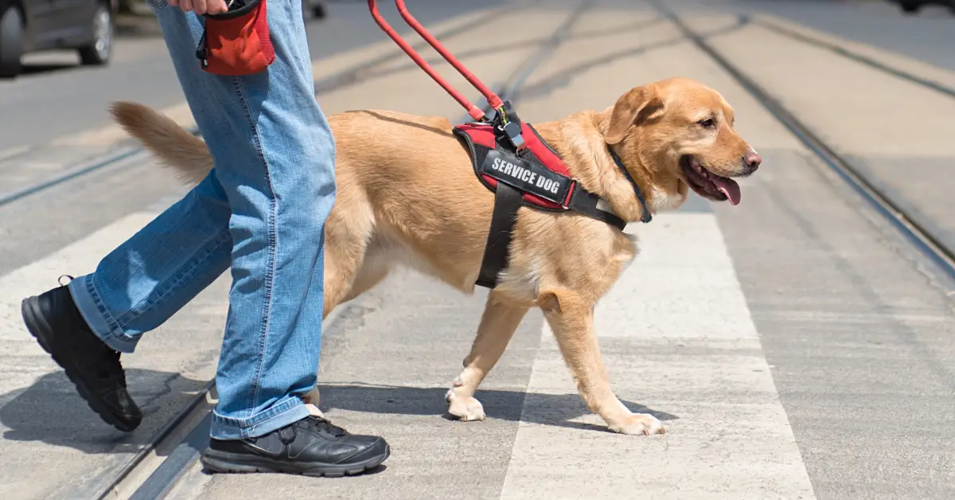
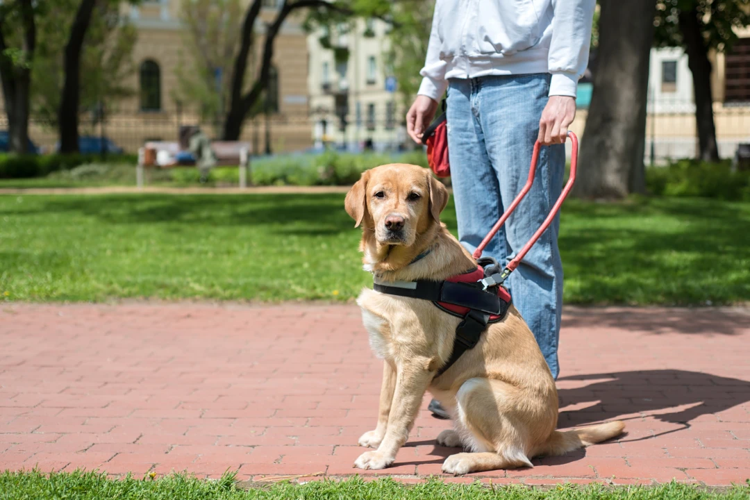
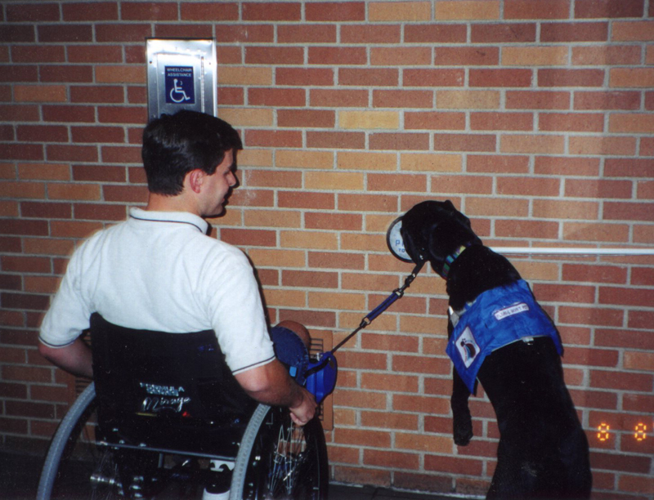
Under the ADA, a service animal is generally a dog that has been individually trained to do work or perform tasks for a person with a disability. The law does not require that dog to be certified by a national body, listed in a federal database, or dressed in special identifying gear before entering public spaces. ADA guidance also makes clear that service dogs are not required to wear a vest or badge.
That does not mean private registries are entirely pointless. Some handlers choose ID cards, vests, or tags because they can reduce awkward interactions and help communicate quickly in lobbies, shops, and hotels. In that sense, these items may have practical value. What they do not do is create the right itself. The right already exists if the animal qualifies under the law. The accessory may be convenient; the training and legal definition are what matter.
For a luxury lifestyle audience, that distinction feels especially relevant. Much like thoughtful design, the best systems are the ones that function quietly and elegantly in the background. A polished vest may be useful. A tidy card may feel reassuring. But neither should be mistaken for legitimacy itself.

What Businesses Can Ask Under ADA Service Animal Rules
One of the most misunderstood parts of ADA service animal rules is what a business may ask when a service animal enters a public place. If it is not obvious what service the dog provides, staff may ask only two questions: whether the dog is required because of a disability, and what work or task it has been trained to perform. They may not ask about a person’s diagnosis, demand medical documentation, require a special ID card, or insist that the animal demonstrate its task.
That framework is intentionally narrow. It protects privacy while keeping the focus on function. It also means that even the most polished private registration packet is not something a restaurant, boutique hotel, or retailer may require simply because it would make the interaction feel easier on their side.
Behavior, however, remains central. ADA guidance says a service animal must be under the handler’s control, and a business may ask that the dog be removed if it is out of control and the handler does not take effective action, or if the dog is not housebroken. Rights are real, but so are standards of conduct.

Why Housing Rules Feel More Complicated
Housing is where the conversation often becomes muddled, because it does not operate solely under the ADA framework. The U.S. Department of Housing and Urban Development explains assistance animals under the Fair Housing Act, and that category is broader than the ADA’s public-access definition of a service animal. Individuals with disabilities may request a reasonable accommodation to keep an assistance animal, even where pet restrictions would otherwise apply. Housing providers generally cannot refuse reasonable accommodations that may be necessary for a person with a disability to use and enjoy a dwelling.
This is also where documentation becomes more nuanced. In some housing situations, if a disability or disability-related need is not obvious, a housing provider may request reliable information supporting the accommodation request. That is a very different question from whether a café can ask for a registration card at the door. And it is why private registry paperwork should never be mistaken for the full legal picture. A handsome certificate may look persuasive, but housing decisions turn on fair housing standards, not branding.
That broader idea of living well with animals also fits naturally into FINE’s home-and-lifestyle lens. Readers interested in the design side of pet-friendly living may also enjoy Home Improvement Ideas That Benefit Both Pets and Homeowners, which approaches the subject from a residential and aesthetic point of view.

Service Animal Travel Rules Have Changed
Travel introduces yet another layer. The U.S. Department of Transportation defines a service animal for air travel as a dog that is individually trained to do work or perform tasks for the benefit of a qualified individual with a disability. Emotional support animals, comfort animals, companionship animals, and service animals in training are not treated the same way under the current DOT framework. Airlines may require the DOT Service Animal Air Transportation Form, and for longer trips may require additional relief-related documentation.
That is why advice that still treats a registry card as a travel solution feels outdated. In air travel, the relevant paperwork is the DOT form, not a privately purchased certificate. For readers who value smooth, well-planned journeys, the smartest approach is to think less about appearances and more about compliance. The right form, current airline policy, and a well-trained dog matter far more than any glossy credential sold online.
For readers who like the broader lifestyle conversation around traveling well with dogs, FINE already has a natural companion piece in Taking Your Dog with You on Your Travels, which fits nicely as adjacent reading without overlapping this article’s legal focus.

What Service Animal Owners Need to Know Most
The most elegant understanding of service animal access is also the least theatrical. There is no grand federal registry that confers legitimacy. There is no magical vest that grants rights on its own. There is, instead, a framework of law that depends on training, task performance, responsible handling, and context. The ADA governs public access. HUD guidance shapes housing accommodations. DOT rules control air travel. Each serves a different purpose, and each matters in a different setting.
That is why the best protection is not a plastic card tucked into a wallet. It is clarity. It is knowing what a business may legally ask, understanding when supporting information may matter in housing, and recognizing that travel now follows its own federal playbook. In a subject crowded with marketing, real sophistication lies in knowing the difference between convenience and law.
And perhaps that is the most useful conclusion of all. Service animal access should not depend on performative paperwork or internet theater. It should rest on something more enduring: lawful standards, polished preparation, and the quiet confidence that comes from understanding the rules better than the sales pitch.
If you want, I can now do one more pass to make it even more Fine Magazine in tone by softening a few of the legal phrases and making it feel slightly more editorial-luxury.
Post a comment as Guest
Report
Watch this discussion.
(0) comments
We welcome your comments
Log In
Post a comment as Guest
Keep it Clean. Please avoid obscene, vulgar, lewd, racist or sexually-oriented language.
PLEASE TURN OFF YOUR CAPS LOCK.
Don't Threaten. Threats of harming another person will not be tolerated.
Be Truthful. Don't knowingly lie about anyone or anything.
Be Nice. No racism, sexism or any sort of -ism that is degrading to another person.
Be Proactive. Use the 'Report' link on each comment to let us know of abusive posts.
Share with Us. We'd love to hear eyewitness accounts, the history behind an article.