
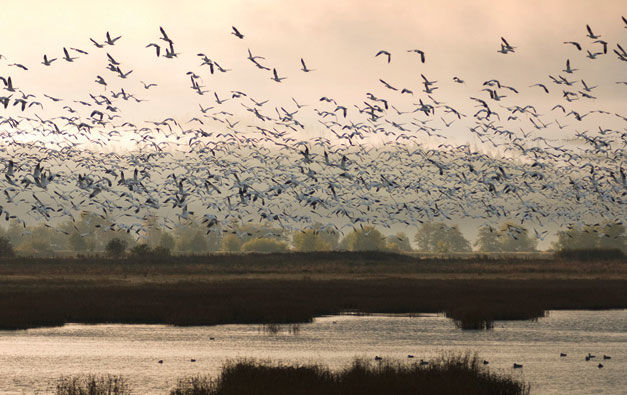
From the slope of grasslands and deserts, to the mile-high mountains and rivers snaking their way to the Pacific, San Diego County is one of the most biologically diverse regions, home to plant and animal wildlife in America. And preserving our eco-diverse environment is no small feat. It requires numerous groups working together, including ranchers, developers, governments, conservation organizations, and individuals. Offering advocacy, education, and conservation efforts, here are three such organizations making a difference along our coast.
THE NATURE CONSERVANCY
In all 50 U.S. states and more than 30 countries worldwide, The Nature Conservancy is engaged in cutting-edge projects to protect nature and preserve life on planet earth.
"San Diego County has been one of the first counties in the nation to develop a Multi-Species Conservation Plan (MSCP)," states Dave Van Cleve, project administrator for the Nature Conservancy. In an effort to protect more than 200 imperiled plants and animals, from longhorn sheep to the California gnatcatcher, the Conservancy has created an effective patchwork facilitating integrated land use that supports wildlife, human habitation, economic concerns, and water resources. "It has taken a lot of patience and coordination to set aside land and establish wildlife corridors, while also supporting commercial and agricultural development," he adds. It’s a true integration of man and nature, resulting in 2.7 million acres of protected land.
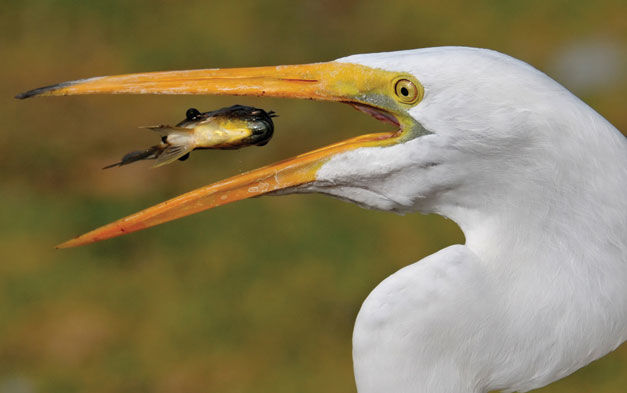
nature of conservancy California egret fine magazine
California Egret
"In [San Diego] County, there are thousands of landowners to negotiate with, to acquire land from, to re-sell to the county, and conservation groups, where appropriate. Even though it has taken time — up to seven years [in some cases], it has worked out well. We’ve created this map of natural corridors, parks, grasslands, and preserves that provide sanctuary to endangered species. Plus, the corridors help purify water systems, such as the San Dieguito River and its tributaries," notes Van Cleve. In addition, most conservation areas include recreational opportunities for local residents to enjoy and immerse themselves in the beauty that is Southern California.
Current Projects Include: Development of Ramona Grasslands, Santa Ysabel Open Space Preserve, Anza-Borrego Desert State Park, Cleveland National Forest and Cuyamaca Rancho State Park. Visit their website for additional information on trails and recreation areas in San Diego County.
Web: nature.org
STEPHEN BIRCH AQUARIUM
By their own description, the Birch Aquarium at Scripps’ mission is three-fold: to simply provide ocean science education, to interpret Scripps Institution of Oceanography research, and to promote ocean conservation. To that end, aquarist Leslee Matsushige states that "our effort is to make the exhibits exciting and vibrant so visitors can see how valuable marine life is and the need for marine conservation; education can make a tremendous difference for our future."
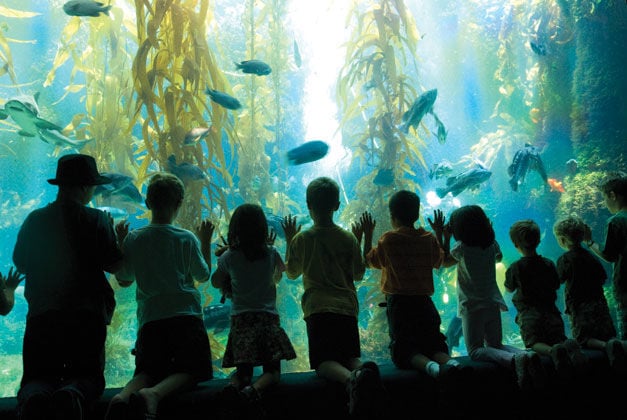
birch aquarium at scripps fine magazine
Birch Aquarium at Scripps
"We are experiencing a depletion of marine organisms worldwide and need to make changes," she adds. "In the last several decades we have witnessed significant pollutants [and] toxins as runoff to the oceans. Educating the public about what we do, the research and the conservation efforts here at the institute, will help reduce some of these harmful effects."
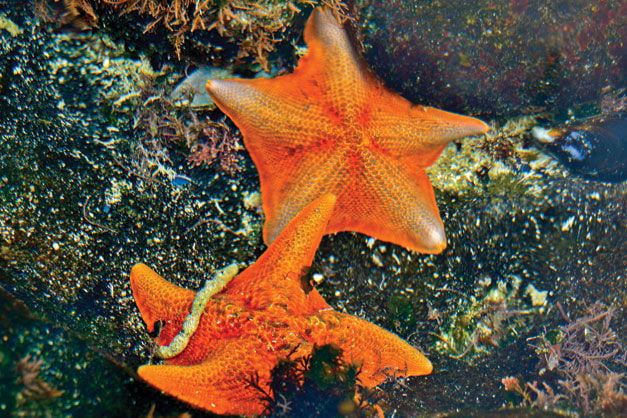
birch aquarium at scripps sea star fine magazine
Sea Stars at the Birch Aquarium at Scripps
One example the Aquarium has undertaken in recent years involves raising marine animals (currently at 90 percent capacity) in captivity for their exhibits, research, and education. In addition, Matsushige says they have shared whole colonies with up to 75 aquatic institutions worldwide, reducing global ocean harvesting of some species in the process. "We’ve done this with over 4,000 syngnathidae propagation – seahorses and sea dragons. We also have a fragmentation program with coral," Matsushige said. The Aquarium remains a resplendent example of both coastal preservation practices and public education.
Upcoming Programs: Sea Days (May – June); Full-Moon Pier Walk (July – August); Grunion Run (June 6). See website for specific times and dates.
Web: aquarium.ucsd.edu
SAN ELIJO LAGOON CONSERVANCY
Connecting the uplands to the ocean, the San Elijo Lagoon serves as transitional space that provides an essential purification system as water makes its way to the Pacific. The 1,000 acre Lagoon provides seven vital habitats, along with the filtration function that supports a natural breeding ground for fish and other wildlife crucial to the coastal environment. Executive Director, Doug Gibson, shepherds the Conservancy’s projects that include ongoing research and restoration efforts.
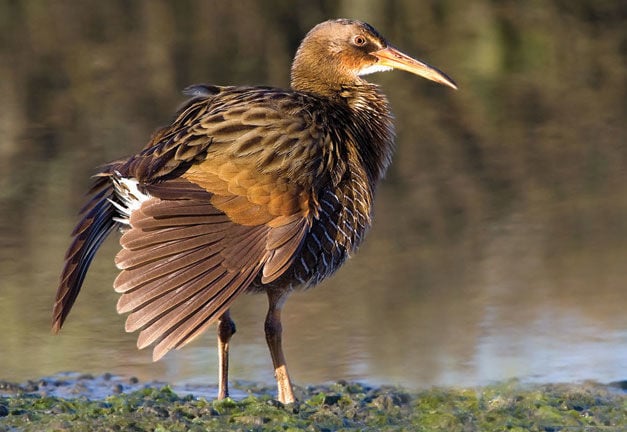
San Elijo coasta conservation Bird fine magazine
"You might say the San Elijo Conservancy creates a ‘bridge’ between research and application that improves the entire eco-system," states Gibson. "The better the wetlands function, the cleaner the beaches. We’ve created strong partnerships to fund studies that improve drainage; without certain restoration efforts, wetlands don’t drain properly and pollutants aren’t cleansed effectively from the area."
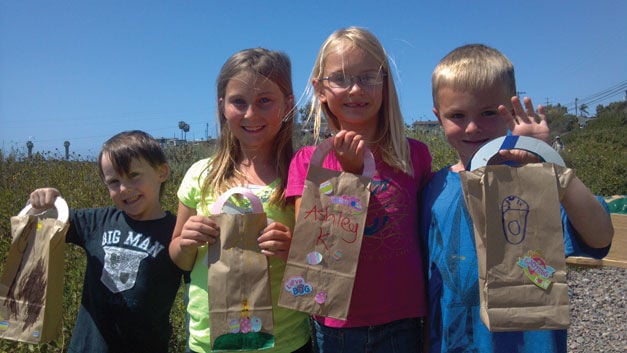
San Elijo coastal conservation Kids enjoying nature
Future Generations Will Enjoy The Benefits of The Southern California Wetlands Recovery Project
To that end, the Lagoon has been supported by bonding processes and memberships to restore areas vital to responsible water use and habitat preservation. Over the years, the Southern California Wetlands Recovery Project (SCWRP) developed a series of plans, restoration efforts, and education. Currently, the Lagoon is undertaking a $100 million restoration project to boost hydraulic functions that will facilitate proper tidal drainage and water circulation in the area.
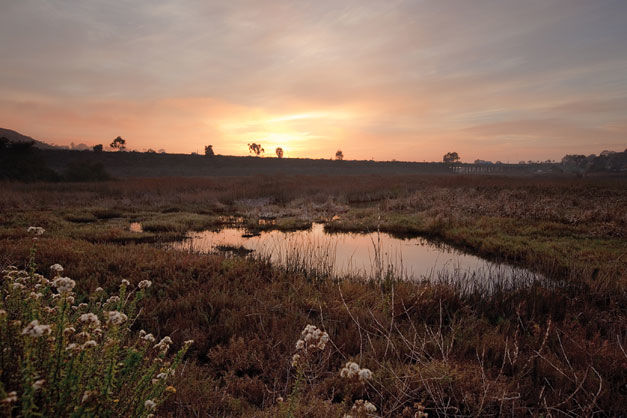
San Elijo coastal conservation Sunset FINE magazine
Sunset View of the Lagoon
Upcoming Projects and Events: Numerous guided volunteer bird count and guided nature walks throughout the summer months. Numerous "Do & Learn" programs to help restore portions of the wetlands in Solana Beach, including Gateway Park preservation. See website for specific program details.
Web: sanelijo.org

(0) comments
We welcome your comments
Log In
Post a comment as Guest
Keep it Clean. Please avoid obscene, vulgar, lewd, racist or sexually-oriented language.
PLEASE TURN OFF YOUR CAPS LOCK.
Don't Threaten. Threats of harming another person will not be tolerated.
Be Truthful. Don't knowingly lie about anyone or anything.
Be Nice. No racism, sexism or any sort of -ism that is degrading to another person.
Be Proactive. Use the 'Report' link on each comment to let us know of abusive posts.
Share with Us. We'd love to hear eyewitness accounts, the history behind an article.