



San Diego Philanthropy
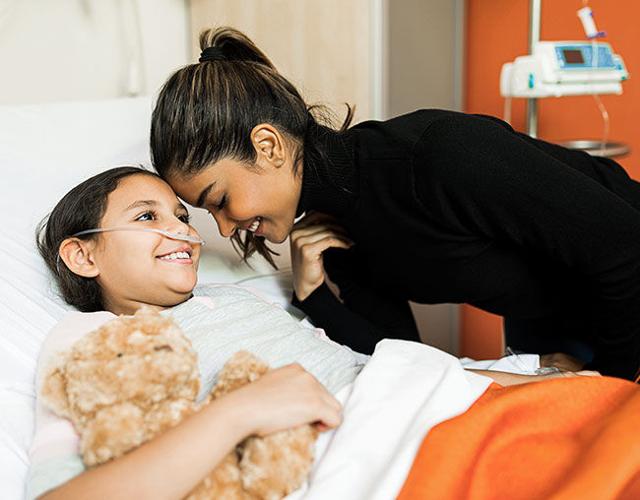
When a child is diagnosed with a life-threatening illness, the crisis rarely stays inside the hospital room. Parents may leave work to be at a bedside. Bills continue to arrive. Rent, utilities, groceries, gas, and school needs do not pause simply because a family is facing the unimaginable.
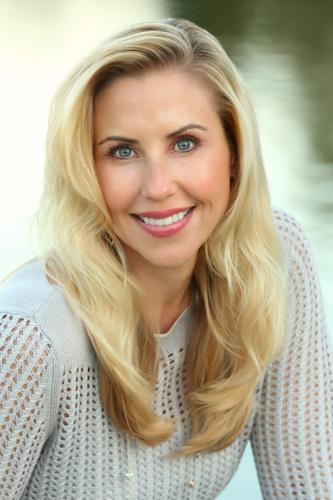
That is where Miracles for Kids has built its mission. For 22 years, Co-Founder and CEO Autumn Strier has helped shape the Irvine-based nonprofit into a support system for families whose children are facing life-threatening illnesses. The organization’s work focuses on a difficult but essential truth: when a child is critically ill, the whole family needs care.
Miracles for Kids helps families remain stable during long and often financially devastating medical journeys. While doctors and medical teams focus on treating a child’s illness, the nonprofit helps families keep the lights on, stay housed, access food and basic necessities, receive wellness support, and build long-term stability.
Why Family Stability Matters During a Child’s Critical Illness

A child’s critical illness can change everything about family life. Daily routines become hospital schedules. Paychecks may shrink or disappear. Parents who would normally be working, managing a household, or caring for other children are suddenly navigating appointments, treatments, medications, transportation, and emotional exhaustion.
Financial pressure can become part of the medical crisis. According to the CDC’s National Center for Health Statistics, families with children are more likely than families without children to experience financial burdens related to medical care. That reality helps explain why practical support is not a small extra. For many families, it is the difference between staying steady and falling into deeper crisis.
Miracles for Kids addresses that gap by helping families with the non-medical needs that often determine whether a home remains stable during treatment. The organization supports families affected by more than 135 life-threatening illnesses and conditions, offering a continuum of care designed to meet immediate needs while also helping families move toward long-term independence.
Autumn Strier’s 22-Year Mission With Miracles for Kids
Autumn Strier’s work with Miracles for Kids began with a clear understanding of what families actually face when a child is critically ill. Medical treatment is only one part of the journey. Families may also be dealing with missed work, depleted savings, housing insecurity, food insecurity, anxiety, depression, and the strain of trying to keep life together for siblings and caregivers.
Under Strier’s leadership, Miracles for Kids has grown from a small employee-giving initiative in 2004 into a California nonprofit serving hundreds of families each year. The organization has raised nearly $65 million and built programs that support families not only during the emergency, but also through the months and years that can follow a diagnosis.
“At the heart of everything we do is a simple belief: families should be able to focus on their child’s healing, not on whether they can pay rent, keep their utilities connected, or provide basic necessities,” Autumn Strier, Co-Founder and CEO of Miracles for Kids, said. “When a family is facing the unthinkable, stability becomes one of the greatest gifts we can provide.”
How Miracles for Kids Helps Families Stay Housed and Supported
The Miracles for Kids model is built around several core programs, each addressing a different part of family stability.
Lifeline provides bill pay assistance for critical household expenses. For families struggling to keep up with rent, utilities, insurance, and other essential bills, this support can help prevent a temporary crisis from becoming a long-term financial collapse.
Safe Haven focuses on housing support, including apartments at Miracle Manor properties for families who need stable housing while a child is in treatment. For a parent already managing hospital visits and medical uncertainty, having a safe place to sleep is not a luxury. It is a foundation.
Balance supports emotional wellness through no-cost wellness activities and counseling-related support. Programs may include surf and paddle camps, movie nights, and services that help family members manage stress, depression, and anxiety during prolonged illness.
Boost provides basic necessities such as food, clothing, household supplies, toys, transportation assistance, and other essentials. Through community initiatives such as Basket of Miracles, families receive practical support that helps ease the daily load. The next Basket of Miracles event is scheduled for July 18 and will focus on Back-to-School Baskets filled with school supplies and other essentials to help children begin the school year with confidence.
Pillars is one of the organization’s most forward-looking programs. It helps families build long-term stability through employment readiness resources, financial literacy education, and access to career and educational opportunities. This matters because many parents do not just need help during the emergency. They need a path back to independence after months or years of disruption.
A Nonprofit Model Built Around the Whole Family

What makes Miracles for Kids especially meaningful is its focus on the full family experience. Many health-adjacent nonprofits focus on medical care, research, or disease-specific support. Those efforts are important. Miracles for Kids fills another urgent need by addressing the household pressures that surround a child’s illness.
Housing insecurity, food insecurity, job disruption, untreated emotional distress, and mounting bills can decide whether a family can remain intact during a long medical crisis. These issues may not appear on a medical chart, but they shape a family’s ability to endure treatment.
In 2025 alone, Miracles for Kids helped stabilize 550 families, provided more than 49,553 nights of safe housing, and delivered ongoing wellness therapy services to 481 individuals at no cost. Those numbers tell one part of the story. The fuller story is found in the families who can stay near treatment, keep siblings supported, and give a critically ill child the stability every child deserves.
Why Long-Term Support Matters
Emergency assistance is important, but Strier’s work also reflects a deeper understanding of what families need after the immediate shock of diagnosis. A life-threatening illness can affect a household for years. Parents may need help reentering the workforce. Families may need financial education. Some may need access to training, education, or employment resources that help them rebuild after a prolonged period of instability.
That is why the Pillars program is such an important part of the Miracles for Kids approach. It recognizes that true support should not end once the most urgent bill is paid. Long-term stability gives families the ability to recover, rebuild, and move forward with greater resilience.
“Compassion is important, but compassion alone isn’t enough,” Strier said. “Families need systems they can rely on. They need stability. They need support that lasts beyond the emergency. That’s where real change happens.”
How Communities Can Help Families Facing Medical Crisis

For families facing a child’s critical illness, community support can become part of the healing environment. Donations, volunteer work, corporate partnerships, and awareness all help organizations like Miracles for Kids continue providing practical assistance when families are under extreme pressure.
Support can take many forms. Some people donate to help families cover bills and basic needs. Others volunteer at events or community initiatives. Businesses can partner with the organization to support fundraising, supplies, employment pathways, or family services.
For Strier, every dollar raised and every partnership established serves one purpose: helping families avoid facing a child’s critical illness alone. After 22 years, Miracles for Kids has become more than a safety net. It has become a model for what family-centered support can look like when compassion is paired with structure, sustainability, and long-term thinking.
Learning More About Miracles for Kids
To learn more about Miracles for Kids programs, including bill pay assistance through Lifeline, housing through Safe Haven, wellness services through Balance, basic necessities through Boost, and long-term stability through Pillars, visit MiraclesForKids.org.
For additional context on the financial burden medical care can place on families, visit the CDC National Center for Health Statistics report on medical care financial burden.


(0) comments
We welcome your comments
Log In
Post a comment as Guest
Keep it Clean. Please avoid obscene, vulgar, lewd, racist or sexually-oriented language.
PLEASE TURN OFF YOUR CAPS LOCK.
Don't Threaten. Threats of harming another person will not be tolerated.
Be Truthful. Don't knowingly lie about anyone or anything.
Be Nice. No racism, sexism or any sort of -ism that is degrading to another person.
Be Proactive. Use the 'Report' link on each comment to let us know of abusive posts.
Share with Us. We'd love to hear eyewitness accounts, the history behind an article.