
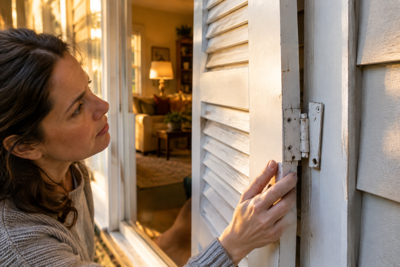
Across the United States, shutters deal with very different conditions, from humid summer air and coastal moisture to dry indoor heat and seasonal temperature swings. When a panel sticks, a louver breaks, or hardware loosens, the right shutter repair decision depends on the type of damage, the material, and whether the shutter can still operate safely.
A damaged shutter does not automatically need replacement. Some problems are limited to a hinge, fastener, louver, or alignment issue. Others, including widespread rot, serious warping, or unstable mounting, can make replacement the more practical long-term choice.
Why Shutters Develop Problems
Daily use is only one source of wear. Dust can collect around moving parts, sunlight can affect finishes over time, and accidental impacts from furniture, pets, or active households can damage louvers and panels. Outdoor shutters also face rain, wind, moisture, and debris. A shutter may look acceptable from across the room while still closing unevenly or rubbing against its frame.
Homeowners searching for shutter repair near me should begin by separating cosmetic flaws from operational problems. A small scratch may only affect appearance, while a panel that will not close properly can interfere with privacy, light control, and everyday use.
Signs That a Shutter May Need Repair
Inspect the shutter before forcing it open or shut. Resistance can indicate a loose hinge, misaligned panel, swollen material, damaged louver connection, or an issue with the mounting area. Pushing harder can turn a manageable adjustment into a broken component.
Quick Inspection Checklist
- Does the panel open and close smoothly?
- Do the louvers move together as intended?
- Are visible screws, hinges, brackets, or fasteners loose?
- Is there cracking, swelling, rust, peeling, or discoloration?
- Does the shutter sit squarely within the frame?
- Do you hear rubbing, scraping, or clicking during operation?
These checks do not require removing the shutter. Take clear photos of the damage and note when the problem occurs. That information can make a repair assessment more efficient.

When Replacement Makes More Sense
Replacement may be the better option when damage affects the shutter's structure rather than an isolated part. Examples include extensive wood rot, deep or spreading cracks, major warping, severe corrosion around mounting points, or repeated breakdowns after earlier repairs. It can also be difficult to create a lasting fix when matching louvers, hinges, or finish materials are no longer available.
Compare the repair cost with the likely remaining service life. A lower-priced repair is not necessarily the better value if it only delays another failure. Replacement may also be worth considering when a repaired shutter would no longer match nearby panels or the home's existing trim.
Safety Checks Before Any Repair
Stop using a shutter that is pulling away from its mount, has sharp, broken pieces, or cannot stay securely in place. Loose panels can create a hazard, especially near doorways, frequently used windows, or children's spaces. Motorized shutters and any system with electrical components should be assessed by a qualified professional rather than opened or rewired at home.
Accessible cords and operating components deserve extra attention in homes with young children. The CPSC advises that cordless window coverings are the safest choice when young children are present. Do not remove, bypass, or disable a safety feature simply to make a damaged shutter easier to use.
Repairable Problems Homeowners Often See
Many common issues are limited in scope. Loose screws, worn fasteners, minor panel misalignment, surface scuffs, and an isolated damaged louver may be candidates for repair when the surrounding frame remains solid. The correct approach depends heavily on the material.
- Wood: May split, swell, or develop rot after prolonged moisture exposure.
- Composite: May crack or separate at joints, particularly after impacts.
- Vinyl: May bend, crack, or become less flexible over time.
- Metal: May dent, corrode, or loosen near screws and mounting points.
Cleaning, tightening visible hardware, and making minor adjustments can sometimes restore smooth movement. Structural damage, hidden mounting failures, and custom parts are better handled by a repair professional.
How to Compare Repair and Replacement Estimates
Repair costs can vary with shutter size, material, damage level, access to the window, finish work, and replacement-part availability. Ask for a written estimate that explains what is included rather than relying on a single total.
- Ask which part has failed and what caused the failure.
- Request separate details for labor, parts, and any finishing work.
- Confirm whether the quote addresses all visible damage or only one component.
- Ask how long the repair is expected to last under normal use.
- Find out whether testing, cleanup, and a written warranty are included.
For extensive damage or an unclear recommendation, getting another professional opinion can help clarify whether the repair is likely to be durable.
DIY Tasks and Work That Calls for Help
Low-risk homeowner tasks include dusting with a microfiber cloth, using a material-appropriate mild cleaner, checking visible screws, and documenting changes with photos. Open and close panels gently, and avoid pulling a shutter at an angle.
Do not drill into a frame without checking for concealed wiring or plumbing. Do not paint over moving hardware, apply heavy oil that can collect dust, or continue operating a shutter that is coming loose from the wall or window frame. High windows, motorized systems, structural damage, and difficult-to-match components deserve professional attention.
Simple Seasonal Maintenance
- Spring: Remove winter dust, inspect hinges and mounts, and look for moisture-related swelling or corrosion.
- Summer: Keep panels clear of furniture and watch for heat-related sticking or finish wear near sunny windows.
- Fall: Check exterior shutters after storms and clear debris from surrounding areas.
- Winter: Operate shutters gently and address condensation or moisture before it affects wood or unfinished surfaces.
Common Questions About Damaged Shutters
Can a single broken louver be repaired?
Sometimes. A single louver may be replaceable if the shutter frame, tilt system, and surrounding louvers remain in good condition.
How can you tell if a shutter is warped?
Common signs include uneven gaps, rubbing edges, a panel that will not close, and louvers that sit at noticeably different angles.
Is it safe to paint a damaged shutter?
Paint can improve appearance, but it will not correct rot, loose mounting, broken hardware, or movement problems.
Should old shutters always be replaced?
No. Age alone is not the deciding factor. Condition, safety, repair history, material, and part availability provide a more useful basis for the decision.
Final Decision Checklist
- Is the issue cosmetic or structural?
- Does the shutter still open, close, and stay in place correctly?
- Are safety features intact?
- Are compatible repair parts available?
- Is the expected repair life reasonable for its cost?
- Will the finished shutter match the surrounding window treatments?
A careful inspection often reveals whether the problem is a loose component, a small alignment issue, or a deeper failure. When safety, structure, or repeat damage is involved, professional evaluation can help homeowners across the United States choose the most practical long-term solution.
(0) comments
We welcome your comments
Log In
Post a comment as Guest
Keep it Clean. Please avoid obscene, vulgar, lewd, racist or sexually-oriented language.
PLEASE TURN OFF YOUR CAPS LOCK.
Don't Threaten. Threats of harming another person will not be tolerated.
Be Truthful. Don't knowingly lie about anyone or anything.
Be Nice. No racism, sexism or any sort of -ism that is degrading to another person.
Be Proactive. Use the 'Report' link on each comment to let us know of abusive posts.
Share with Us. We'd love to hear eyewitness accounts, the history behind an article.