

A fence defines access, privacy, safety, and curb appeal around a property. Its value depends on more than material choice or appearance. Posts, soil conditions, wind exposure, maintenance needs, and local requirements all affect performance. A well-planned fence supports daily use while protecting the investment behind it. For property owners in Northeast Florida, sound decisions begin with the property’s purpose and continue through installation details. Those choices determine how the fence performs after installation and during severe weather.
Start With the Property’s Purpose
A residential fence often supports privacy, pet control, pool safety, or a clearer boundary. A commercial fence usually prioritizes access control, employee safety, or separation between public and restricted areas.
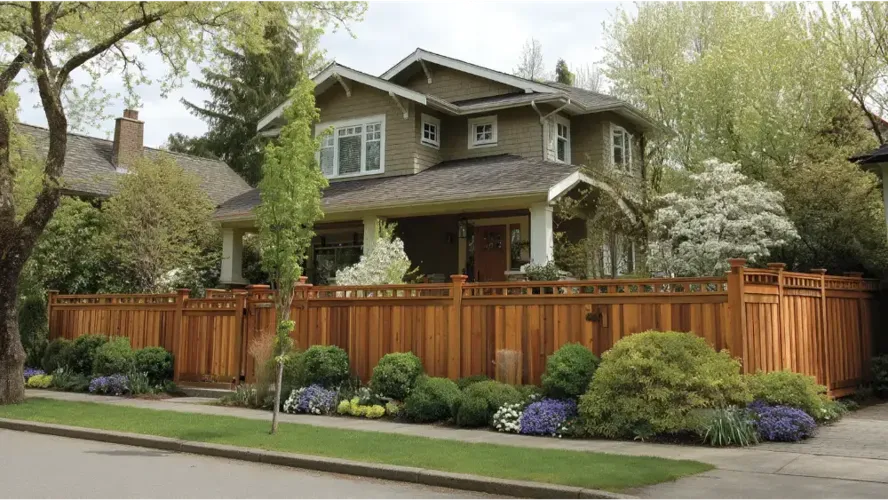
Material choice should follow that purpose. Wood provides privacy and customization, while vinyl needs little upkeep. Aluminum keeps sightlines open, and chain link provides practical security at a lower material cost. A property owner comparing those options can review installation methods through Fortera Fencing. Mixed material fencing suits properties that need privacy in one area and visibility near a driveway or entrance.
Agricultural properties need practical layouts that withstand regular use and changing ground conditions. Multi-family communities also need fencing that organizes shared spaces without creating difficult maintenance problems.
The Foundation Controls Fence Performance
A fence can look excellent and still fail early when posts move, lean, or sink. Northeast Florida’s sandy soil creates particular installation concerns because loose soil provides less resistance around poorly installed posts.
The iDrive Power System™ drives schedule 40 galvanized steel or aluminum posts four feet into undisturbed soil, without digging or concrete. The system creates a foundation described as 10x stronger than concrete and supports a fence certified for 100 mph winds.
This method also reduces yard disturbance and removes the waiting period associated with concrete curing. That difference matters when installation takes place near established landscaping, driveways, or active commercial areas.
Fence panels and rails depend on posts for support. A stable foundation gives those components a better chance of performing during severe weather and regular daily use.
Consider Wind, Drainage, and Access
Wind exposure changes how a fence behaves, especially across open yards, corner lots, and properties near fields or waterways. A contractor should assess the fence line, nearby structures, and the direction of prevailing weather.
Drainage also affects post stability and material life. Water that collects around a fence base can accelerate decay, stain surfaces, or weaken surrounding soil. Proper layout helps direct water away from vulnerable areas.
Gates require separate planning. Their width should match equipment, vehicles, lawn care needs, or emergency access. Hardware must support the gate’s weight and expected use without pulling posts out of alignment.
Plan for Maintenance Before Installation
Every fence style and material has different maintenance requirements. Wood needs periodic inspection for rot, insect damage, loose boards, and finish wear. Vinyl usually requires cleaning, while aluminum needs checks around fasteners, hinges, and impact points.
Chain link systems require attention around posts, gates, tension components, and areas where the mesh meets the ground. Mixed material fences need a maintenance plan for each material rather than one general schedule.
Repairs should address the cause, not only the visible damage. A broken panel may result from a damaged post, shifting soil, storm impact, or failing hardware. Replacing one component without checking connected parts often leads to repeated service calls.
Know When Replacement Makes More Sense

Some fences remain suitable for repair, especially when damage affects one panel, board, hinge, or isolated section. Replacement becomes more practical when posts lean across a long run, wood has widespread rot, or storm damage affects the underlying structure.
A proper assessment should compare repair costs with the expected service life of the remaining fence. It should also consider whether the current design still meets the property’s privacy, access, and security needs.
A local fencing contractor serving Duval, St. Johns, Nassau, Clay, Baker, and Flagler counties can handle new installations, replacements, and repairs. These services apply to homes, businesses, multi-family properties, industrial sites, and agricultural land.
Check Requirements Before Work Begins
Property owners should confirm property lines before installation. A survey, existing boundary record, or clear legal documentation helps prevent disputes with neighboring owners.
Local permits and homeowners association approvals can also affect timing, height, materials, and placement. A professional contractor can identify those requirements before construction begins and coordinate the necessary steps.
The installation process should include an estimate, property measurements, material selection, pricing, permit coordination, and a scheduled construction date. Clear documentation helps prevent changes after work starts.
A useful fence begins with the property’s needs, then depends on suitable materials, sound post installation, and careful planning around gates, drainage, and wind. Property owners should inspect the fence line, confirm boundary information, and identify approval requirements before requesting an estimate. In Northeast Florida, asking how posts are installed matters as much as choosing the visible material. That question can reveal whether a fence is prepared for daily use and severe weather.
(0) comments
We welcome your comments
Log In
Post a comment as Guest
Keep it Clean. Please avoid obscene, vulgar, lewd, racist or sexually-oriented language.
PLEASE TURN OFF YOUR CAPS LOCK.
Don't Threaten. Threats of harming another person will not be tolerated.
Be Truthful. Don't knowingly lie about anyone or anything.
Be Nice. No racism, sexism or any sort of -ism that is degrading to another person.
Be Proactive. Use the 'Report' link on each comment to let us know of abusive posts.
Share with Us. We'd love to hear eyewitness accounts, the history behind an article.