
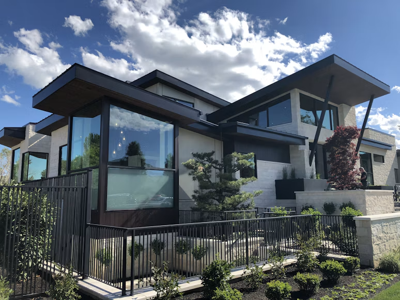

A home feels personal when its design supports your routines and reflects the things you genuinely enjoy. Before selecting finishes or furniture, think about how you spend an ordinary weekday, where clutter tends to collect and which rooms bring people together.
Those practical details should guide the design. A few carefully chosen features can then add character without making the space feel overly themed or difficult to update.
Reflecting Your Style
Start with three words that describe how you want your home to feel, such as relaxed, bright and welcoming. Use those words to filter decisions about color, materials and furniture. A warm neutral palette with natural wood might suit a casual home, while deep colors and polished surfaces can create a more formal mood.
Collect no more than 10 inspiration images and look for repeated elements. You may notice that every room has linen curtains, curved furniture or colorful artwork. These patterns reveal your preferences more clearly than trend labels do. Keep permanent finishes fairly adaptable, then express your personality through rugs, art and textiles that are easier to change.
Layouts for Modern Living
Map daily movement before approving a floor plan. Walk through an imaginary morning from the bedroom to the bathroom, kitchen and front door. Short, direct paths help busy routines run smoothly, while adequate clearance around tables and seating prevents rooms from feeling cramped. Aim for about 36 inches of walking space along frequently used routes when the room allows it.
Open layouts work best when each activity still has a defined zone. A pendant light can mark the dining area, and a sofa can create a visual boundary for the living room. Families exploring manufactured housing options can review available layouts and customization choices through Atlas Home Center in Midland, Texas. Before choosing any plan, compare room dimensions with the furniture you already own and consider how your household may change over the next five years.
Custom Features You Can Choose
Spend your customization budget on details that affect daily comfort. Extra kitchen drawers, reachable outlets and a larger pantry often provide more lasting value than an elaborate decorative finish. If you work from home, plan a quiet workspace with natural light and enough wall space for storage. Pet owners might choose durable flooring and a washable entry area near the main door.
Layered lighting also deserves early attention because wiring changes become harder after construction. Combine general ceiling lights with task lighting above counters and softer lamps for evenings. For more decisions to consider during the planning stage, review these family home design tips.
Maximizing Small Spaces
Measure every wall, doorway and awkward corner before buying furniture. In a compact living room, a 72-inch sofa paired with two light chairs may offer more flexibility than a bulky sectional. Furniture raised on visible legs allows more flooring to show, which helps the room feel open. Mirrors placed across from windows can spread daylight deeper into the space.
Use vertical storage to free up walking areas. Cabinets that reach the ceiling can hold seasonal items on upper shelves, while hooks near the entry keep bags off the floor. Choose pieces that perform two jobs, such as a storage ottoman or a dining bench with drawers. Keep window treatments simple and maintain one consistent flooring material across connected rooms to reduce visual breaks.
Personal design choices work best when they solve a real need. Test your preferred layout with painter’s tape on the floor, confirm the measurements and notice where doors or walkways conflict. That simple exercise can reveal more than a polished floor plan and help ensure the finished home feels natural from the first day.

(0) comments
We welcome your comments
Log In
Post a comment as Guest
Keep it Clean. Please avoid obscene, vulgar, lewd, racist or sexually-oriented language.
PLEASE TURN OFF YOUR CAPS LOCK.
Don't Threaten. Threats of harming another person will not be tolerated.
Be Truthful. Don't knowingly lie about anyone or anything.
Be Nice. No racism, sexism or any sort of -ism that is degrading to another person.
Be Proactive. Use the 'Report' link on each comment to let us know of abusive posts.
Share with Us. We'd love to hear eyewitness accounts, the history behind an article.