
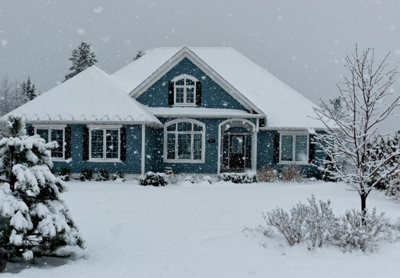

Winter has a way of revealing problems homeowners would rather ignore. The windows fog up, the bathroom never quite dries, and a faint musty smell appears in a room that seemed perfectly fine in September. Before long, you may discover something far less charming than a little winter condensation: mold.
Knowing how to prevent mold in your home is particularly important during colder months, when outdoor temperatures drop, windows stay closed, and everyday activities introduce moisture into the air. Fortunately, protecting your home doesn't require an expensive renovation. It starts with understanding where moisture collects, why it stays there, and what you can do before a small problem becomes a costly repair.
Why Mold Becomes a Problem During Winter
Mold needs moisture to grow, and winter creates several opportunities for damp conditions to develop. Warm indoor air can contain water vapor that condenses when it reaches cold windows, exterior walls, or poorly insulated surfaces. Add limited ventilation, and the moisture may linger long enough to create favorable conditions for mold.
Bathrooms, kitchens, basements, laundry rooms, and poorly ventilated closets deserve particular attention. Even a beautifully maintained home can develop hidden moisture problems behind furniture or beneath flooring. Understanding the difference between normal, temporary condensation and persistent dampness is the first step toward preventing serious damage.
Keep Indoor Humidity at a Healthy Level
One of the simplest ways to prevent mold in your home is to monitor indoor humidity. According to the Environmental Protection Agency, indoor relative humidity should remain below 60%, ideally between 30% and 50%. A small digital hygrometer can help you monitor conditions without guessing whether a room feels too damp.
If humidity regularly climbs above the recommended range, consider using a dehumidifier, improving ventilation, or addressing moisture-producing activities. Keep in mind that humidity varies throughout the day. A bathroom immediately after a shower will have different conditions than a living room in the afternoon. Pay attention to persistent moisture rather than relying on a single reading.
Stop Window Condensation Before It Causes Damage
Condensation on windows may seem like a harmless winter inconvenience, but water collecting along frames and sills can eventually damage paint, wood, and surrounding materials. Persistent condensation may also indicate that indoor humidity is too high or that surfaces are unusually cold.
Wipe away moisture when it appears, keep window coverings from trapping damp air against the glass, and inspect weatherstripping for deterioration. If condensation continues despite better humidity control, evaluate whether insulation, air leaks, or window performance may be contributing. Replacing windows isn't always necessary; sometimes the most effective solution is improving moisture management.
Make Bathrooms and Kitchens Work Harder at Ventilation
Hot showers, boiling water, and even preparing a family dinner can introduce substantial moisture into your home. Bathrooms and kitchens should have effective exhaust ventilation that carries humid air outdoors rather than into an attic or another enclosed space.
Run bathroom exhaust fans during showers and leave them operating afterward until excess humidity has cleared. Use kitchen exhaust ventilation when cooking, especially when boiling or steaming food. If you're renovating, choose ventilation systems appropriate for the room's size and verify that their ductwork vents outside. A beautiful bathroom is considerably less appealing when moisture begins damaging the ceiling.
Don't Ignore Hidden Moisture Behind Furniture
Some winter mold problems develop where homeowners rarely look. Furniture positioned tightly against cold exterior walls can restrict airflow and allow moisture to accumulate. Closets packed with clothing, storage boxes resting directly against basement walls, and poorly ventilated corners may create similar conditions.
Leave some space between large furniture pieces and exterior walls when possible, particularly in rooms where condensation has been an issue. Inspect the backs of wardrobes, under sinks, and inside storage areas periodically. A musty odor, unexplained discoloration, or damp surface deserves attention, even when the rest of the room appears spotless.
Check Your Roof, Gutters, and Exterior Drainage
Not every winter moisture problem originates indoors. Damaged roofing, overflowing gutters, deteriorated flashing, and poorly directed downspouts can allow water to reach areas where it doesn't belong. During freezing weather, ice dams and blocked drainage systems can create additional opportunities for water intrusion.
Inspect gutters, rooflines, and exterior drainage before winter storms, and investigate water stains after heavy rain or snow. Our guide to winter gutter care and preventing ice damage explains why keeping drainage systems clear is an important part of protecting a property's structure.
Maintain Heating Without Trapping Moisture
A properly maintained heating system helps keep indoor temperatures comfortable and can reduce cold surfaces where condensation develops. However, heating alone does not remove excess moisture. A warm room with high humidity can still experience mold problems, particularly near poorly insulated walls and windows.
Avoid blocking heating vents, check that air circulates throughout occupied rooms, and maintain your HVAC equipment according to manufacturer recommendations. If cold spots persist, consider an insulation or air-sealing assessment. Any improvements should account for appropriate ventilation and moisture control, rather than simply sealing every opening without understanding how the home manages air and water vapor.
What to Do If You Already Find Mold
Finding mold doesn't automatically mean your home needs major remediation, but it does require action. Begin by identifying and correcting the source of moisture. Cleaning visible mold without fixing a leaking pipe, damp wall, or recurring condensation problem is unlikely to provide a lasting solution.
The EPA explains that homeowners can often address small mold-affected areas of less than approximately 10 square feet, depending on the circumstances. Hard surfaces can generally be scrubbed with detergent and water, then dried completely. Porous materials such as carpeting or ceiling tiles may need replacement. Larger affected areas, extensive water damage, contaminated water, or suspected mold inside HVAC systems warrant professional evaluation. Individuals with respiratory conditions, allergies, or weakened immune systems should seek appropriate health advice before attempting cleanup.
A Simple Winter Mold Prevention Checklist
Keeping your home dry doesn't need to become another overwhelming winter project. A few consistent habits can help you identify moisture before it turns into a more serious issue.
- Monitor indoor humidity and aim for 30% to 50%.
- Wipe away persistent condensation on windows and sills.
- Use bathroom and kitchen exhaust fans that vent outdoors.
- Check beneath sinks, behind furniture, and inside closets.
- Repair plumbing leaks and investigate water stains promptly.
- Inspect gutters, roof drainage, and areas around the foundation.
- Dry water-damaged materials within 24 to 48 hours whenever possible.
- Investigate recurring musty odors instead of simply masking them.
These habits also complement broader home-maintenance practices. For additional guidance, explore our article on preventing water damage in your home.
Protecting Your Home Starts With Controlling Moisture
The best way to prevent mold in your home this winter is to address moisture before it has an opportunity to settle in. Better ventilation, balanced humidity, prompt leak repairs, and regular inspections can make a meaningful difference in protecting finishes, furnishings, and the underlying structure of your property.
Winter should be a season for enjoying the comforts of home, not discovering what's growing behind the guest-room dresser. A little attention now can help keep your rooms comfortable, your indoor environment healthier, and your home ready for the seasons ahead.

(0) comments
We welcome your comments
Log In
Post a comment as Guest
Keep it Clean. Please avoid obscene, vulgar, lewd, racist or sexually-oriented language.
PLEASE TURN OFF YOUR CAPS LOCK.
Don't Threaten. Threats of harming another person will not be tolerated.
Be Truthful. Don't knowingly lie about anyone or anything.
Be Nice. No racism, sexism or any sort of -ism that is degrading to another person.
Be Proactive. Use the 'Report' link on each comment to let us know of abusive posts.
Share with Us. We'd love to hear eyewitness accounts, the history behind an article.