
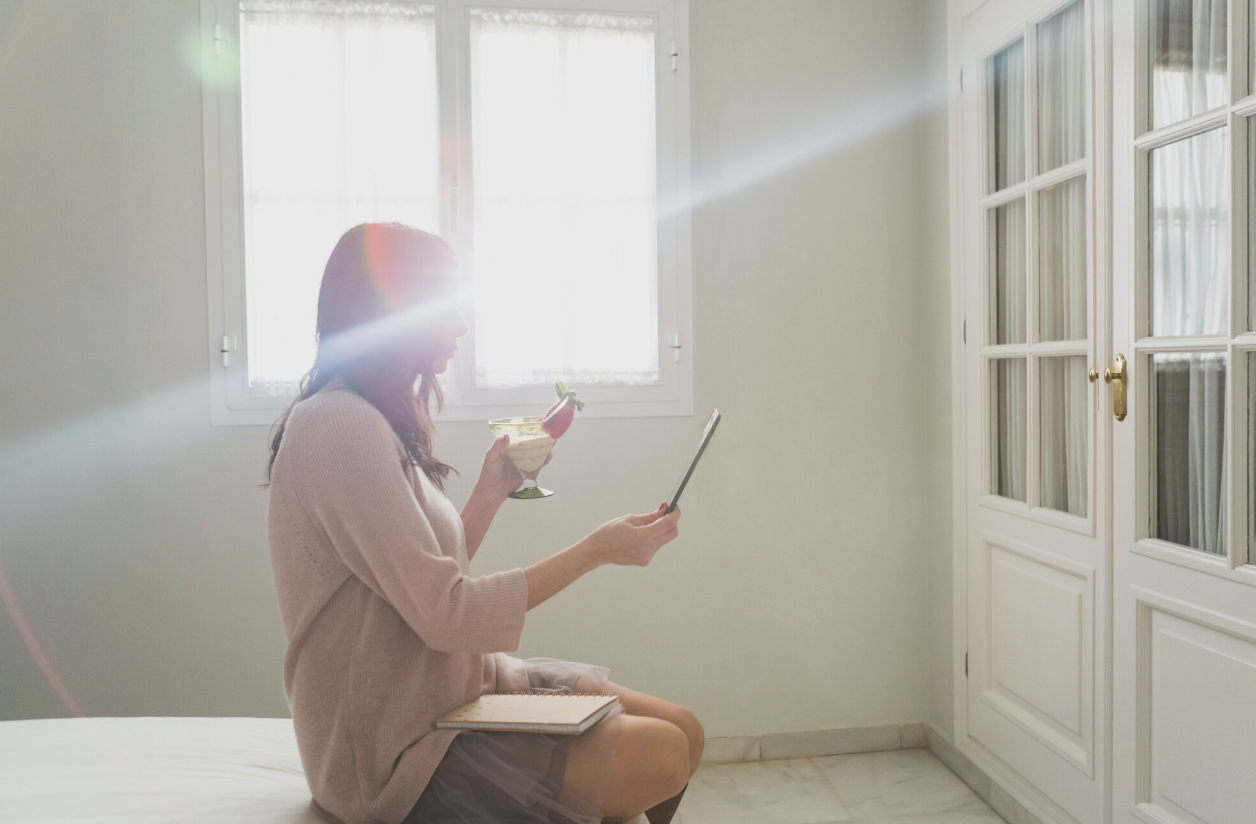
Luxury home design has moved toward rooms that feel open, calm, and closely tied to the outdoors. Natural light now guides wall placement, window sizing, ceiling height, finish selection, and even furniture layout. In many custom homes, daylight is planned before decorative lighting, because it changes how materials read throughout the day. A marble wall, a plaster ceiling, and a pale oak floor all behave differently when the sun moves across them.
That is where biophilic interior design has become a practical design language. It connects indoor rooms with sun, plants, views, fresh air, natural textures, and seasonal change. In a high-end home, those choices are often expressed through larger glazing, quieter palettes, courtyards, skylights, and rooms that follow the movement of the sun.
Natural Light Now Guides The Plan
A light-led floor plan starts with orientation. South-facing windows can bring low winter sun deep into the home, while roof overhangs, exterior screens, and shade trees help control heat during summer. North-facing openings often provide steady, softer light for offices, art walls, and reading areas. East-facing rooms suit breakfast spaces and primary suites because morning light supports a more natural daily rhythm.
The U.S. Department of Energy describes daylighting as the use of windows and skylights to bring sunlight into a home, often reducing the need for electric lighting when paired with proper controls. In luxury homes, that idea turns into careful daylighting design with window size, placement, shading, and controls treated as one system.
Glass Performance And Clarity
Luxury home windows carry a large part of the design burden. Scale draws attention, but glass quality decides whether a room feels crisp, glaring, warm, or flat. Low-iron glass can reduce the green cast found in standard panes. High-performance coatings can manage heat gain while preserving views. Automated shades can fine-tune glare without leaving a room dim.
Architects specifying glazing for light-led interiors often review visible light transmittance, a measure of how much daylight passes through glass. At Edmonton’s northern latitude, winter daylight is limited, so mineral deposits and exterior film can reduce the effect that premium glazing was meant to create. For homes where glass was chosen for optical performance, local maintenance through companies like WinDucks Edmonton window cleaning can support the original design intent.
Daylighting Choices That Shape Daily Use
Good natural light in home design usually comes from several coordinated choices, with each opening assigned a clear role.
- Courtyards can pull daylight into the center of deep floor plans without exposing every room to the street.
- Clerestory windows bring light above eye level, which helps preserve privacy while brightening walls and ceilings.
- Skylights and roof monitors can light stairwells, halls, and interior bathrooms.
- Deep overhangs can admit winter sun while blocking high summer sun.
- Motorized shades can respond to glare, heat, and time of day without constant adjustment.
These choices also affect how artificial lighting is used after sunset. A bright daytime living room still needs warm evening layers, and well-placed lamps, dimmers, and sconces can make the transition feel natural. In open living areas, the best lighting options usually support the daylight plan.
Materials That Carry Light
Achieving good natural light in interior design depends heavily on surface behavior. Glossy stone can bounce sun into a harsh patch. Matte plaster softens it. Pale oak adds warmth without making the room look yellow. Light gray terrazzo can spread brightness across floors while hiding daily wear. A quiet palette lets sunlight become part of the room.
The American Institute of Architects notes that energy-conscious design uses orientation, envelope performance, passive strategies, and efficient systems together. That guidance fits luxury design well because a glass-heavy house needs disciplined material choices to stay comfortable.
Design Element | Best Use | Light Effect |
|---|---|---|
Low-Iron Glass | Window Walls And Skylights | Clearer Views And Higher Visual Brightness |
Matte Plaster | Living Rooms And Galleries | Softer Reflected Light |
Pale Wood | Floors, Ceilings, Built-Ins | Warm Diffusion |
Sheer Linen | Bedrooms And Sitting Rooms | Filtered Privacy |
Exterior Screens | West And Street-Facing Facades | Glare Control |
In practice, a designer may test several scenes before selecting finishes: sharp winter sun across the floor, late afternoon glare near the kitchen island, and cloud-filtered light in a bedroom. Those checks reveal which surfaces brighten a room cleanly and which ones create hotspots, reflections, or visual fatigue.
Wellness, Energy, And Value
Biophilic design has gained traction because daylight affects how a home is experienced hour by hour. Morning sun can make a kitchen feel active. Soft northern light can make a study easier to use for long periods. A glass wall facing a garden can change a room across the seasons, even when the furniture stays the same.
There is also a technical side. Poorly placed glass can raise cooling loads, create fading, and make shades stay closed all afternoon. Better glazing, overhangs, and automated shading keep usable daylight in the room while reducing heat stress. The result is a home that feels brighter without asking the mechanical system to solve every problem.
Privacy Without Closing The Room
Large windows need thoughtful privacy planning. The goal is to keep daylight moving while reducing direct sightlines from neighbors, sidewalks, and driveways.
- Place planting outside windows to screen views with layered greenery.
- Use high sill windows in baths, closets, and bedrooms.
- Add slatted wood, perforated metal, or fritted glass where the facade faces the street.
- Choose translucent interior partitions for offices or stair halls.
- Keep large furniture away from glass so daylight can travel farther.
Older homes can also be tuned for more light with smaller moves. Mirrors opposite windows, lighter wall finishes, trimmed landscaping, and slimmer window treatments can all improve the lighting without a full remodel.
Modern luxury home design uses daylight as a planning tool, a wellness feature, and a performance detail. Biophilic interior design brings those priorities together through glass, orientation, texture, landscape, and restraint. The strongest homes shape light, filter it, and let it change from morning to evening.
(0) comments
We welcome your comments
Log In
Post a comment as Guest
Keep it Clean. Please avoid obscene, vulgar, lewd, racist or sexually-oriented language.
PLEASE TURN OFF YOUR CAPS LOCK.
Don't Threaten. Threats of harming another person will not be tolerated.
Be Truthful. Don't knowingly lie about anyone or anything.
Be Nice. No racism, sexism or any sort of -ism that is degrading to another person.
Be Proactive. Use the 'Report' link on each comment to let us know of abusive posts.
Share with Us. We'd love to hear eyewitness accounts, the history behind an article.