
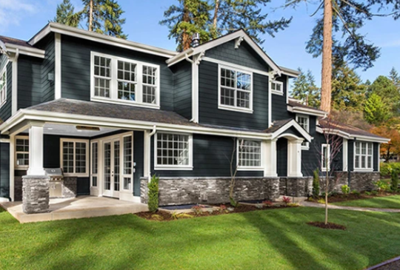

A coastal home can have magnificent views and an exterior that receives very little mercy. In Dartmouth and the surrounding Halifax region, siding may be exposed to wind-driven rain, winter snow, freeze-and-thaw cycles and abrupt shifts in temperature. Homes closer to open water may also experience greater exposure to salt carried through the air.
That does not mean one siding material is automatically right for every house. Wood, fibre cement, engineered wood, metal and vinyl can all perform successfully when the product suits the building and the complete wall system is properly designed and installed.
For homeowners considering vinyl siding, the more useful question is not whether vinyl is universally “better” than wood. It is whether the selected product, installation details and maintenance requirements are appropriate for the home’s architecture, exposure and condition.
Why Coastal Conditions Change the Decision
Siding is the visible exterior surface, but it is only one part of the wall assembly. Its job is to shed most of the rain, resist wind and protect the layers behind it from direct exposure. It should not be expected to make an improperly built wall watertight by itself.
Moisture that reaches the space behind exterior cladding needs a way to drain and dry. This makes the condition of the weather-resistant barrier, flashing, window openings, penetrations and drainage details as important as the siding panels.
Wind is another consideration. Coastal storms can place substantial pressure on exterior materials, particularly around corners, rooflines and open exposures. The siding must therefore be installed using the fastening pattern, accessories and clearances specified for the product and local conditions.
An experienced installer should inspect more than the visible siding. Areas around windows, doors, utility penetrations, decks and roof intersections often reveal whether water has been entering the assembly or whether previous work concealed damaged material.
What Modern Vinyl Siding Does Well
Vinyl siding has evolved considerably from the shiny, limited products associated with some older renovations. Current collections are available in restrained neutrals, deeper architectural colors, vertical profiles, traditional lap styles, shakes and textures designed to suggest painted or stained wood.
Its most practical advantage is relatively low routine maintenance. Vinyl does not require the periodic repainting or staining expected of conventional wood siding. It is also not subject to wood rot or insect damage, although the wood sheathing, framing and trim behind it can still deteriorate when moisture is allowed to enter.
Vinyl can be a particularly sensible choice for homeowners who want a clean exterior appearance without committing to an extensive refinishing schedule. It may also cost less than some premium wood, masonry or fibre-cement systems, although project pricing depends on the product, insulation, trim, repairs and complexity of the house.
Its limitations should be considered as carefully as its advantages. Individual panels may crack following a severe impact, loosen when poorly fastened or distort when exposed to excessive heat. Vinyl also expands and contracts as temperatures change, which is why it cannot be installed as though it were rigid wood cladding.
Installation Matters More Than Marketing Claims
A high-quality siding product can still perform badly when installed incorrectly. Vinyl panels are intended to move slightly as temperatures change. Fasteners should therefore be positioned and driven according to the manufacturer’s instructions rather than pinning each panel tightly against the wall.
Installers must also leave the prescribed clearances around trim, corners and openings. Panels cut too tightly may buckle as they expand, while improperly secured panels can become noisy or vulnerable during strong winds.
Flashing deserves particular attention. Water should be directed away from windows, doors, roof-to-wall intersections and other openings instead of being trapped behind the siding. Replacing the visible panels without correcting defective flashing can conceal the problem rather than solve it.
The Polymeric Exterior Products Association’s vinyl siding installation guidance emphasizes following building-code requirements and the siding manufacturer’s instructions. The specific requirements for a Dartmouth property should also be confirmed with the appropriate local authority and qualified contractor.
Do Not Choose Siding by Thickness Alone
The original version of this article suggested that thicker vinyl is automatically stronger, better insulated, quieter and more weather-resistant. That is too simplistic.
Panel thickness may affect rigidity and handling, but it does not independently establish the quality or performance of a siding system. Profile design, formulation, fastening, wind rating, installation and the condition of the underlying wall all matter.
Standard vinyl siding should also not be confused with insulated vinyl siding. Insulated products have rigid foam permanently attached to the back of the panels. If energy performance is part of the project, homeowners should compare the documented thermal properties of the complete proposed system rather than assume a thicker vinyl panel provides meaningful insulation.
Exterior siding is only one part of a home’s energy strategy. Air sealing, wall insulation, windows, doors and attic conditions may have a greater effect on comfort and energy use. FINE’s article on how new siding can improve home energy efficiency explores the relationship between cladding and the layers beneath it.
Compare Warranties Before Selecting a Color
Warranties vary considerably between manufacturers and product lines. Homeowners should review what is covered, for how long and under what conditions before approving an installation.
Important questions include whether the warranty is transferable, how fading is defined, whether labour is included and what maintenance documentation may be required. Coastal exposure, wind damage, impact, improper installation and alterations may be treated differently under each policy.
Painting vinyl siding also requires caution. Some products may be paintable when the correct coating and color are used, while others may lose warranty protection if altered. Dark paint can absorb more heat than the original surface was designed to tolerate, potentially leading to distortion.
Do not rely on a general contractor’s assurance that painting “should be fine.” Obtain the answer from the siding manufacturer in writing and follow the paint manufacturer’s compatibility instructions.
Choose a Color That Works With the Architecture
Durability is only part of the decision. Siding covers much of a home’s visible exterior and can either clarify the architecture or overwhelm it.
A coastal home does not have to be pale blue or gray, although both can be attractive when handled well. Warm white, muted green, charcoal, taupe and soft brown may complement the surrounding landscape without turning the property into a themed seaside cottage.
Consider how the siding will relate to the roof, stonework, windows, garage doors and neighboring materials. A home with several rooflines and decorative elements may benefit from a restrained palette. Simpler architecture can often support a more dramatic color or contrasting vertical section.
Profiles should also suit the scale of the house. Narrow horizontal courses can create a traditional appearance, while wider boards or vertical siding may feel more contemporary. Imitation shakes and wood-grain textures are most convincing when used selectively rather than across every elevation.
Homeowners planning broader exterior work may also find FINE’s guide to choosing durable building materials for a new home useful when coordinating the siding with roofing, windows and other finishes.
Vinyl Siding Still Needs Routine Attention
Low maintenance does not mean no maintenance. The exterior should be inspected periodically, particularly after severe storms or work performed near the walls.
Look for loose panels, cracks, impact damage, open joints, staining and changes around windows or doors. Water marks, peeling interior paint or soft exterior trim may indicate a problem behind the siding that cleaning will not resolve.
Most ordinary surface dirt can be removed using water, mild soap and a soft brush or cloth. Begin with the gentlest method recommended by the manufacturer. Aggressive pressure washing can force water behind the siding or damage nearby finishes when used carelessly.
Mould or algae should not simply be treated as a cosmetic nuisance. Recurring growth may indicate persistent shade, poor drainage, overflowing gutters or moisture remaining near the wall. Correcting the cause is more useful than repeatedly washing the symptom.
The Polymeric Exterior Products Association recommends periodic cleaning with mild soap and water while following the product manufacturer’s care instructions.
Signs That Replacement May Be Necessary
Fading alone does not always require replacement. Many homeowners replace siding because the color or profile looks dated even though the material remains serviceable.
Replacement becomes more urgent when panels are repeatedly coming loose, extensive cracking is present or water intrusion has damaged the wall behind the cladding. Widespread distortion, incorrect installation and failed flashing may also justify more than a localized repair.
Any replacement estimate should identify what happens after the old siding is removed. The scope may need to include damaged sheathing, weather-resistant barriers, flashing, insulation, trim and ventilation details rather than simply covering the house with new panels.
Windows should also be evaluated while the exterior is open. Deteriorated frames or poorly flashed openings may undermine an otherwise well-executed siding project. See FINE’s article on the hidden risks of old windows for warning signs to investigate.
Questions to Ask a Siding Contractor
A detailed proposal should identify the manufacturer, product line, profile, color and applicable ratings. It should also describe removal of the existing siding, disposal, wall preparation, flashing, trim and repairs.
Ask how the contractor will address concealed damage discovered during removal and how additional work will be priced. Confirm who obtains any necessary permits and whether the company carries appropriate insurance.
Homeowners should also request recent local references, photographs of completed projects and copies of both product and workmanship warranties. A long manufacturer warranty offers limited protection when an installation error is excluded from coverage.
The lowest estimate may omit essential preparation or repairs. Comparing the complete scope is more meaningful than comparing the final number alone.
A Coastal Exterior Is a Complete System
Vinyl siding can be a practical and attractive choice for a Dartmouth home, particularly for owners who value low routine maintenance and a broad range of colors and profiles. It is not, however, an impenetrable shield that compensates for poor flashing, damaged sheathing or careless installation.
The best exterior projects begin with an honest assessment of the building. Choose the material for its documented performance and architectural fit, not because one product has been declared universally superior.
When the wall behind it is sound, moisture has a reliable path out and every detail is installed correctly, vinyl siding can protect a coastal home while giving it a cleaner and more considered exterior.
Frequently Asked Questions
Is vinyl siding suitable for coastal Nova Scotia?
It can be. The product should have suitable documented performance, and the installation must address wind, moisture drainage, flashing and temperature-related movement.
Does vinyl siding make a house more energy-efficient?
Standard vinyl siding provides little insulation by itself. Insulated vinyl products incorporate attached foam, but the effect should be evaluated as part of the home’s complete wall and air-sealing system.
Can vinyl siding be painted?
Some products can be painted using approved coatings and colors, but doing so may affect warranty coverage. Check the siding manufacturer’s written requirements before painting.
How often should vinyl siding be cleaned?
There is no universal two- or three-year schedule. Clean it when dirt, algae or other deposits become noticeable, using the method recommended by the manufacturer.
Is thicker vinyl siding always better?
No. Thickness is only one product characteristic. Profile design, formulation, ratings, installation quality and the complete wall assembly also affect performance.
(0) comments
We welcome your comments
Log In
Post a comment as Guest
Keep it Clean. Please avoid obscene, vulgar, lewd, racist or sexually-oriented language.
PLEASE TURN OFF YOUR CAPS LOCK.
Don't Threaten. Threats of harming another person will not be tolerated.
Be Truthful. Don't knowingly lie about anyone or anything.
Be Nice. No racism, sexism or any sort of -ism that is degrading to another person.
Be Proactive. Use the 'Report' link on each comment to let us know of abusive posts.
Share with Us. We'd love to hear eyewitness accounts, the history behind an article.