

The Evolution of the Dedicated Children’s Room
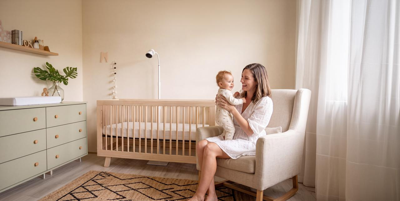
For generations, the residential nursery was conceived almost exclusively as a nocturnal sanctuary—a quiet enclave tucked away in the quietest corner of the floor plan, engineered solely around darkness, silence, and nocturnal sleep. Modern home architecture and changing family routines have thoroughly dismantled that single-purpose model. Today’s nursery operates as an active, round-the-clock living environment where morning tummy time, mid-day diaper changes, developmental reading sessions, and brief stretches of independent floor play coexist within the same square footage.
This shift mirrors broader trends in residential design toward adaptive, multifunctional spaces. New parents spend an extraordinary amount of daylight time inside these rooms, requiring layouts that feel uplifting at noon yet restorative at midnight. When a space must balance daytime sensory stimulation with nocturnal sensory reduction, interior planning and technology integration require a more deliberate, holistic approach.
Functional Zoning for Rest and Daytime Activity
Creating a nursery that transitions fluidly across eighteen hours of daily household activity begins with spatial demarcation. Child development specialists and interior architects increasingly advocate for micro-zones within the room. A dedicated sleeping quarter adheres strictly to safety baselines—such as the clear-crib guidelines established by the American Academy of Pediatrics (AAP), keeping sleep surfaces flat, firm, and free of loose bedding or heavy decor.
Adjacent to this rest zone sits the activity area, typically anchored by a non-toxic natural fiber rug, low modular shelving for rotational toys, and accessible soft seating for shared reading. Separating these zones visually through ambient lighting, color palettes, and textile placement allows infants to associate specific corners with specific cognitive states. The crib signifies calm and down-regulation; the floor zone invites movement and motor exploration. Managing these separate routines inside one physical room demands environmental consistency across temperature, airflow, and layout safety.
Supervision Without Surveillance Fatigue
As nurseries absorb more daylight activities, the philosophy of parental supervision has undergone a parallel transition. Early generations of digital nursery gear inadvertently fostered continuous surveillance anxiety, encouraging caregivers to keep their eyes glued to handheld screens during every quiet moment. In contrast, modern caregiving philosophies emphasize ambient awareness: maintaining connection while allowing both the infant and the caregiver appropriate autonomy.
During morning play or short intervals of independent exploration, caregivers frequently step into adjacent spaces to manage household tasks or work remotely. Establishing an effective daytime monitor setup requires balancing line-of-sight coverage with natural play areas, ensuring that the room remains an inviting environment rather than an intrusive surveillance suite. The primary goal is reliable contextual visibility—knowing whether a rustle signals an interrupted nap or simply normal positional shifting between sleep cycles.
Ambient Awareness Across Nap Time and Quiet Play
Daytime sleep introduces distinct environmental dynamics that differ sharply from overnight slumber. Ambient street noise, drifting natural light, and shifting household schedules can complicate brief afternoon naps. When exploring baby monitor features explained through a residential design lens, the distinction between passive observation and active interruption becomes obvious.
High-resolution daytime imaging and adaptable digital perspectives permit parents to observe developmental movements from a smartphone interface without walking into the room and creaking floorboards. For instance, distinguishing between an infant practicing self-soothing gestures and one who requires comfort after rolling over allows parents to support developing sleep habits. Similarly, during quiet afternoon play sessions, clear visual fidelity lets parents observe emerging motor milestones—such as pulling up or rolling—from a respectful distance, reinforcing safety without hovering.
Sensor Innovation in Modern Living Environments
Integrating electronic devices into a carefully curated domestic interior presents aesthetic and practical challenges. Cluttered cables, glowing display stands, and wearable sensors that require continuous charging frequently disrupt the serene ambiance parents strive to cultivate. A contemporary smart baby monitor does not need to dominate the shelf or resemble clinical equipment to provide meaningful utility.
The industry has progressively trended toward unobtrusive, contactless technologies that blend into architectural lines. By shifting away from wearable pulse cuffs, adhesive patches, or specialized garments that can irritate delicate infant skin, modern hardware favors non-invasive ambient sensing. Advanced radio frequency and optical innovations can now observe mechanical movement patterns quietly from overhead wall mounts or ceiling brackets, respecting both the child’s comfort and the visual harmony of the room.
Applied Nursery Technology: Contact-Free Observational Design
As a representative example of this unobtrusive design philosophy, the Momcozy Baby Monitor(BM08)reflects how contemporary engineering approaches daily supervision. Rather than relying on wearable accessories, the system incorporates contact-free mmWave sensing technology to observe subtle breathing movement and track breathing dynamics using a floor stand positioned near the crib, allowing monitoring without attaching sensors to the baby. This unobtrusive sensory approach tracks physical motion without physical attachment, producing organized sleep insights via an intuitive app-based monitoring interface.
For households where caregivers move between spaces such as a home office, kitchen, or patio, smartphone-based monitoring offers a convenient way to check on the baby without carrying an additional viewing device. The system utilizes dual-band 2.4/5GHz Wi-Fi for connection flexibility, streaming clear 2K video directly to a parent’s phone. By incorporating non-medical alerts, such as notifications if a sleeping position may cover the face, the hardware operates as a quiet background assistant. It provides actionable situational context without positioning itself as a medical diagnostic tool or disrupting the room’s domestic warmth.
Harmonizing Safety, Design, and Daily Rhythm
A successful nursery is neither an austere laboratory nor an over-stimulating playroom; it is an evolving ecosystem that nurtures infant development while sustaining parental well-being. By blending thoughtful floor plans, disciplined spatial zoning, and discreet smart technology, parents can cultivate a room that supports the full arc of the day.
From the first morning stretch on the activity rug to the quiet descent into evening rest, the modern nursery proves that one thoughtfully curated room can serve multiple masters. When residential design and ambient technology work in quiet alignment, the nursery ceases to be just a place to sleep—it becomes the calm, flexible center of early family life.

(0) comments
We welcome your comments
Log In
Post a comment as Guest
Keep it Clean. Please avoid obscene, vulgar, lewd, racist or sexually-oriented language.
PLEASE TURN OFF YOUR CAPS LOCK.
Don't Threaten. Threats of harming another person will not be tolerated.
Be Truthful. Don't knowingly lie about anyone or anything.
Be Nice. No racism, sexism or any sort of -ism that is degrading to another person.
Be Proactive. Use the 'Report' link on each comment to let us know of abusive posts.
Share with Us. We'd love to hear eyewitness accounts, the history behind an article.