
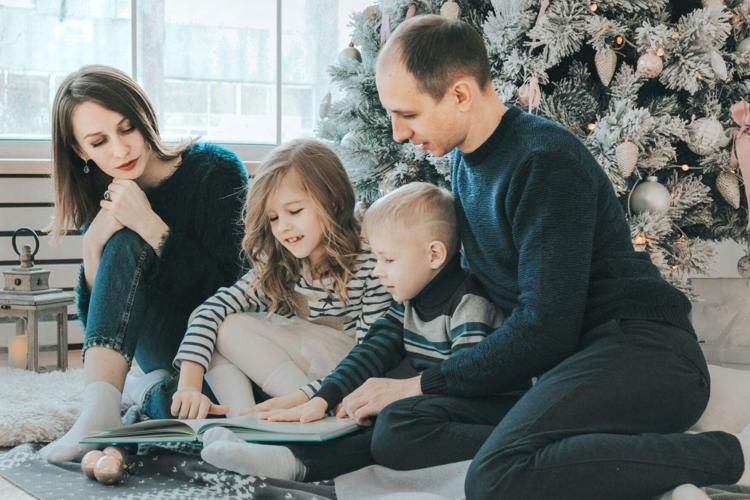
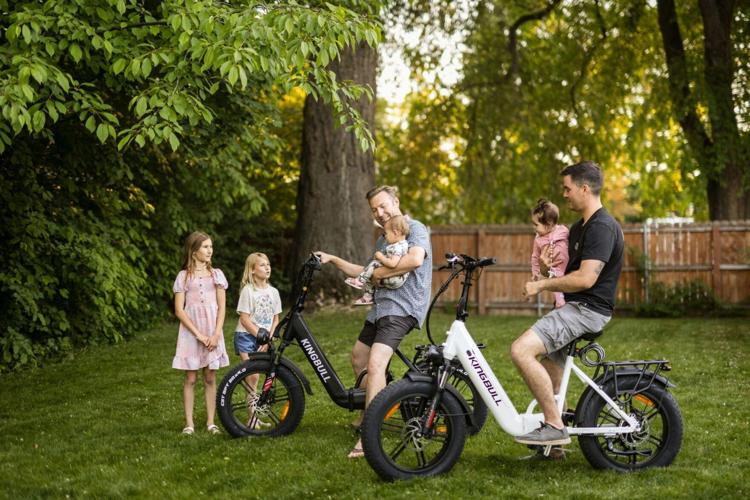

Some homes naturally keep families in the same space longer without anyone forcing it. Parents stay at the table after dinner instead of immediately cleaning up and separating into different rooms. Children linger nearby while drawing, talking, or doing homework. Conversations happen more casually throughout the day because the environment itself feels easier to exist in together.
Other homes create the opposite feeling. Shared spaces feel crowded, noisy, stressful, or mentally exhausting after short periods of time. Even families who genuinely enjoy one another sometimes drift apart physically during the day because the house itself does not support relaxed togetherness naturally.
What shapes this difference is rarely luxury alone. Families usually spend more time together in homes that feel calmer, brighter, more manageable, and emotionally comfortable during ordinary routines.
Comfortable Shared Spaces Keep People Nearby Longer
One of the biggest factors affecting family interaction is whether common areas actually feel pleasant enough to stay in. Hard seating, poor lighting, cluttered surfaces, and awkward room layouts quietly shorten how long people remain together before retreating elsewhere.
Homes encouraging more interaction usually feel softer emotionally. Seating supports conversation naturally. The lighting feels warm instead of harsh. Rooms allow movement without constant interruption or crowding.
Children especially stay closer to parents longer when common areas feel inviting rather than overstimulating or overly formal. Families rarely create their strongest moments through complicated planning. Most connections happen through ordinary time spent comfortably near each other.
The easier a room feels to live in, the easier shared time tends to happen naturally.
Clutter Quietly Pushes Families Apart
Another thing people underestimate is how much visual stress affects behavior inside the home. Crowded counters, constant mess, unfinished projects, and overloaded storage create low-level tension that changes how people use shared spaces emotionally.
Parents become distracted trying to manage the environment constantly. Children move toward bedrooms or screens because common spaces stop feeling relaxing. The room may technically function, but it no longer feels restful enough for slower family interaction.
Cleaner layouts usually create calmer emotional energy because people stop processing visual chaos continuously in the background.
This does not mean homes need to look perfect. They simply need to feel manageable enough that shared spaces remain emotionally comfortable instead of mentally exhausting.
Homes Feel Better When Daily Life Flows Naturally
Families also spend more time together when the home supports easier routines. Open kitchens, comfortable dining spaces, functional outdoor access, and flexible shared rooms all help people remain physically connected throughout the day.
Children tend to stay nearby longer when movement between activities feels simple. Parents remain more emotionally available when everyday household tasks stop feeling overwhelming constantly.
This is one reason some smaller homes feel surprisingly close emotionally while larger homes can sometimes feel disconnected. Layout and usability often matter more than square footage itself.
A house that supports daily flow naturally creates more opportunities for interaction without anyone intentionally trying to force togetherness.
Outdoor Spaces Change Family Habits Too

Outdoor environments quietly shape family routines more than people realize. Homes with usable patios, shaded backyards, comfortable seating, or simple outdoor gathering spaces often encourage slower evenings and longer shared time naturally.
Children move more freely outdoors. Parents feel less confined by indoor noise and clutter. Conversations stretch longer because the environment itself feels calmer and less restrictive.
The important part is not building extravagant outdoor spaces. It is creating areas easy enough to use regularly that families actually spend time there instead of treating the backyard like occasional entertainment space only.
This is one reason homeowners exploring solutions from The Solar Store are often thinking about long-term comfort, usability, and making outdoor environments feel more livable during ordinary family life rather than only during special occasions.
The homes people enjoy most usually support slower routines naturally both indoors and outside.
Children Stay Closer When Shared Spaces Feel Emotionally Safe
Children pay close attention to the emotional atmosphere inside the home even when adults do not realize it. They tend to stay physically closer when shared spaces feel calm, predictable, and emotionally welcoming.
Homes filled with constant tension, overstimulation, or distraction usually push children toward isolation faster. Softer environments encourage lingering. Kids stay at the table longer. They talk more casually throughout the day. Shared routines become easier because the house itself feels emotionally comfortable.
The environment shapes interaction patterns quietly over time. Families often assume connection depends entirely on parenting strategies while overlooking how strongly physical surroundings affect behavior too.
Learning Feels More Natural in Relaxed Homes
Children also engage more comfortably with reading, conversation, creativity, and learning when the environment itself feels less stressful. Shared spaces supporting calmer interaction usually create more opportunities for storytelling, word games, drawing, reading together, and ordinary curiosity throughout the day.
Learning tools associated with MrsWordsmith reflect why playful language and creative learning tend to work best when children already feel emotionally relaxed and connected to the people around them.
Kids generally absorb more naturally in environments where learning feels woven into ordinary family interaction rather than isolated into pressure-filled routines only.
The emotional atmosphere around learning often matters just as much as the material itself.
The Best Family Homes Usually Feel Effortless
The homes where families naturally spend the most time together are rarely the ones trying hardest to impress visually. They are the homes where daily life feels easier to move through.
People sit longer. Children remain nearby voluntarily. Parents feel less overwhelmed by the environment itself. Shared spaces support ordinary routines instead of creating more stress around them.
That ease matters because strong family connection usually grows through repeated small moments rather than dramatic planned experiences. Comfortable homes simply create more opportunities for those moments to happen naturally every single day.


(0) comments
We welcome your comments
Log In
Post a comment as Guest
Keep it Clean. Please avoid obscene, vulgar, lewd, racist or sexually-oriented language.
PLEASE TURN OFF YOUR CAPS LOCK.
Don't Threaten. Threats of harming another person will not be tolerated.
Be Truthful. Don't knowingly lie about anyone or anything.
Be Nice. No racism, sexism or any sort of -ism that is degrading to another person.
Be Proactive. Use the 'Report' link on each comment to let us know of abusive posts.
Share with Us. We'd love to hear eyewitness accounts, the history behind an article.