
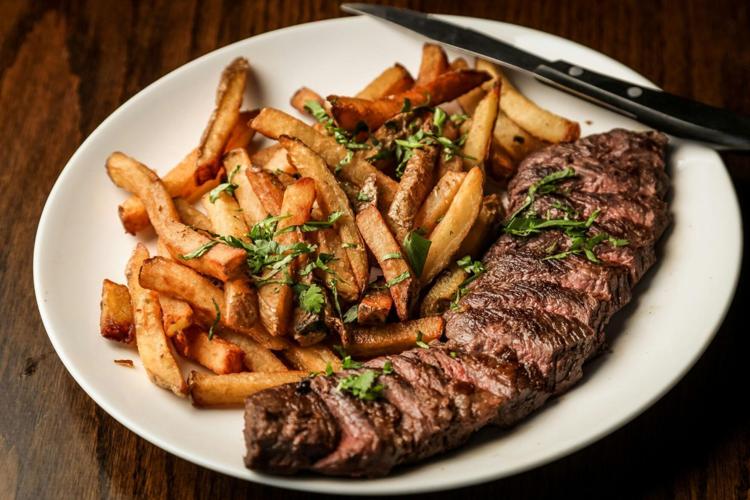
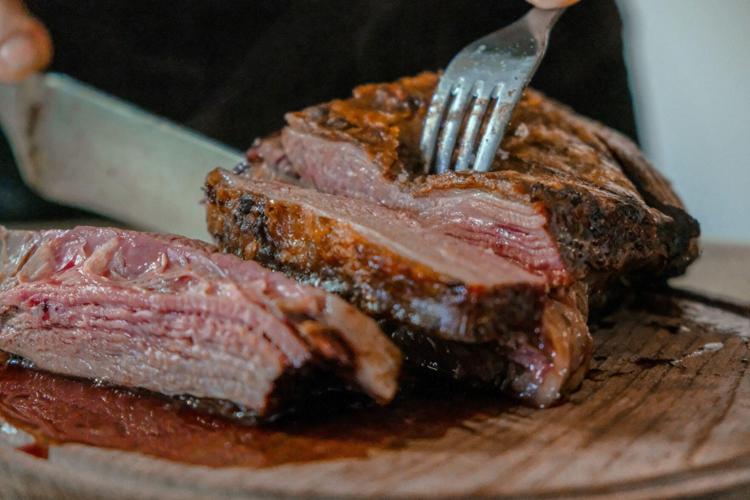

You buy a good cut, you fire up the pan, you do everything the recipe says, and somehow it still comes out a notch below the steak you'd get at a proper steakhouse. It's a frustration almost every home cook knows, and it usually gets blamed on the wrong things. People assume it's the quality of the meat, or some secret ingredient, or an expensive piece of equipment they don't own.
The truth is more interesting and more fixable than that. Steakhouses aren't using magic; they're using heat, seasoning, and technique in ways most home cooks get slightly wrong without realizing it. Once you understand what they're actually doing differently, you can close most of the gap in your own kitchen with the gear you already have.
Set the Scene for the Meal, Then Unwind After
Part of what makes a steakhouse meal feel special is the whole experience around it, the atmosphere, the unhurried pace, the sense that the evening is an occasion rather than just dinner. Recreating that at home is worth the effort: dim the lights a little, pour something you enjoy, and give the meal the relaxed, celebratory framing it deserves rather than rushing it.
And once the plates are cleared and the cooking is done, the evening shifts into its quieter, wind-down phase, the part where the work is over and you can simply relax. Some adults like to have an evening unwind option on hand for that after-dinner stretch once everything is finished and put away; for those who choose to, high thc products are one example of the kind of thing people reach for to relax later in the evening.
As with anything in that category, it's strictly an adults-only, after-everything choice, best kept entirely separate from the cooking itself, mindful of the laws where you live, and never mixed with handling a hot pan or an open flame. The broader point is simply that a great meal deserves a calm, unhurried evening around it, however you choose to wind down once the cooking's done.
It Starts With Seasoning You're Probably Underdoing
The first place home cooks fall short is seasoning, and it's almost always a case of too little, applied too late. Steakhouses season aggressively and with confidence. A great steak needs far more salt than most people are comfortable using, applied well in advance so it has time to penetrate the meat rather than just sitting on the surface. Timid seasoning produces a steak that tastes flat no matter how well it's cooked.
Beyond salt, the right blend of seasonings builds the savory crust that defines a steakhouse cut. Many of the best steakhouses lean on a proper rub to layer flavor before the meat ever hits the heat, and quality blends like these steak rubs are an easy way to bring that same depth to a home kitchen without having to mix a dozen spices yourself. Apply your seasoning generously, give it time to work, and you've already corrected one of the biggest reasons home steaks taste underwhelming compared to the restaurant version.
The Heat Is Higher Than You Think
Here's the technical heart of the matter: steakhouses cook with far more heat than a typical home stove delivers. Professional kitchens use specialized broilers and burners that reach temperatures most home ranges can't touch, and that intense heat is what creates the deep, dark, flavorful crust through the Maillard reaction. When your home steak comes out gray and sad instead of brown and crusty, insufficient heat is almost always the culprit.
The fix is to get your cooking surface much hotter than feels natural. A heavy cast-iron pan preheated until it's nearly smoking, or a grill running as hot as it goes, gets you far closer to steakhouse results. Don't crowd the pan, don't move the steak around, and resist the urge to flip it constantly. Let the surface do its work. A properly screaming-hot pan is probably the single biggest equipment-free upgrade most home cooks can make.
Dry the Surface Before It Ever Hits the Pan

Moisture is the enemy of a good crust, and this is a step almost everyone skips. A steak pulled straight from its packaging has a damp surface, and that moisture has to evaporate before browning can even begin, which means you're effectively steaming the steak instead of searing it for the first crucial minute. Steakhouses control for this carefully, and you can too.
Pat the steak thoroughly dry with paper towels before cooking. For even better results, leave it uncovered on a rack in the fridge for a few hours, or even overnight, to let the surface dry out completely. A dry surface browns almost instantly when it hits high heat, giving you that immediate, even crust instead of a pale, slowly-developing one. It's a small, free step that makes a startlingly large difference.
Fat, Butter, and the Finishing Touch
Steakhouses finish their steaks with fat, and lots of it. That glistening, rich quality on a restaurant steak often comes from basting the meat in butter, garlic, and herbs during the final minutes of cooking. Spooning foaming butter over the steak repeatedly builds flavor and gives the surface that luxurious sheen and taste that plain pan-cooked meat lacks.
This finishing step is easy to do at home and transforms the result. In the last minute or two, add a generous knob of butter, a smashed garlic clove, and a sprig of herbs to the pan, tilt it slightly, and baste continuously. The technique sounds fancy but takes seconds to learn, and it's one of those professional moves that instantly elevates a home steak toward restaurant territory.
Rest It Like You Mean It
Finally, patience at the end matters as much as heat at the start. Cutting into a steak the moment it leaves the heat lets all those carefully developed juices run out onto the plate, leaving the meat drier than it should be. Steakhouses rest their steaks, and so should you. Letting the meat sit for several minutes allows the juices to redistribute throughout the cut, so every bite stays moist and flavorful.
Resist the temptation born of hunger and a great smell. Give a thick steak a solid rest under a loose tent of foil before slicing. Combined with confident seasoning, blistering heat, a dry surface, a butter baste, and the right rub, that final bit of patience is what finally closes the gap between your kitchen and the steakhouse, no secret ingredient required, just the right techniques applied with the confidence the professionals use every night.





(0) comments
We welcome your comments
Log In
Post a comment as Guest
Keep it Clean. Please avoid obscene, vulgar, lewd, racist or sexually-oriented language.
PLEASE TURN OFF YOUR CAPS LOCK.
Don't Threaten. Threats of harming another person will not be tolerated.
Be Truthful. Don't knowingly lie about anyone or anything.
Be Nice. No racism, sexism or any sort of -ism that is degrading to another person.
Be Proactive. Use the 'Report' link on each comment to let us know of abusive posts.
Share with Us. We'd love to hear eyewitness accounts, the history behind an article.