
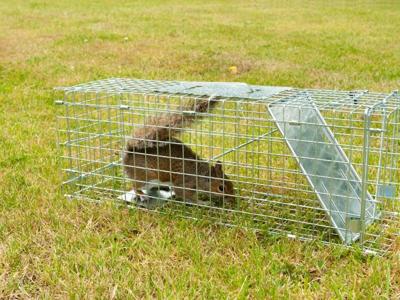

There is a particular kind of unease that comes from hearing something move inside your walls at night. Maybe it's a scratching in the attic, a thump in the ceiling, or a rustle behind the kitchen cabinets that stops the moment you walk into the room. For many homeowners, the instinct is to wait it out, assume it's nothing, or set a hardware-store trap and hope for the best. But the longer wild animals stay inside a home, the more damage they tend to cause — and the harder and costlier they become to remove safely.
Knowing how to read the early warning signs can save you money, protect your family's health, and prevent a small intrusion from turning into a structural problem. Professionals such as Caught'Em Termites & Pest Control deal with these situations daily, and they consistently point to the same handful of red flags that signal it's time to call in help. If you're noticing any of the indicators below, it may be worth looking into professional wildlife removal services before the issue escalates.
Below is a practical guide to the signs that matter most.
1. Unexplained Noises, Especially at Night
The most common first clue is sound. Scratching, scurrying, squeaking, gnawing, or thumping — particularly after dark — usually points to an unwelcome guest. Many nuisance animals are nocturnal, so activity tends to peak right when the house goes quiet.
The location of the noise often hints at the culprit. Sounds in the attic frequently mean raccoons, squirrels, rats, or birds. Noises inside walls can indicate rodents or smaller animals that have squeezed through a gap. Heavy, deliberate movement in the ceiling is more likely to be a raccoon or possum than a mouse. If you're hearing consistent activity in the same area over several nights, that's not a fluke — it's a resident.
2. Droppings and Unusual Odors
Wildlife leaves evidence behind, and droppings are one of the clearest signs of an active infestation. You might find them in the attic, along baseboards, in the garage, or near food sources. Beyond being unpleasant, animal waste is a genuine health concern: it can carry bacteria, parasites, and airborne pathogens, and it can contaminate insulation and air quality throughout the home.
A persistent musky or ammonia-like smell is another warning. Urine buildup, nesting material, and — in the worst cases — a deceased animal in an inaccessible space can all produce strong odors that don't go away with cleaning. If a room or section of the house has developed a smell you can't trace, it's worth investigating.
3. Physical Damage to the Structure
Animals work surprisingly hard to get into and stay inside a home, and they leave marks doing it. Look for chewed wood around the roofline, torn vents or soffits, damaged screens, and holes near the foundation. Rodents in particular gnaw constantly, and their teeth can damage wiring — a serious fire hazard that often goes unnoticed until something fails.
Inside, you may spot torn insulation, shredded paper or fabric used for nesting, or grease marks along walls where animals travel the same path repeatedly. Damaged ductwork and chewed pipes are also common in homes with established intrusions. This kind of damage rarely stays contained; it tends to spread the longer the animal remains.
4. Signs in the Yard and Around the Perimeter
Not every warning sign is indoors. Burrows or holes near the foundation, patio, or shed can indicate digging animals like armadillos, which are known for tunneling under lawns and structures. Overturned soil, damaged landscaping, and disturbed mulch beds can point to animals foraging or nesting nearby.
In warmer climates, homeowners also contend with reptiles. Snakes seeking shade or shelter may appear in garages, garden beds, or near pool areas, while invasive iguanas can chew through plants and damage seawalls and patios. Disappearing pet food, knocked-over garbage cans, and tracks in soft ground are all clues that wildlife has started treating your property as a reliable resource — a habit that often leads them indoors next.
5. Repeated or Daytime Sightings
Catching a glimpse of an animal once might be a coincidence. Seeing the same type of animal repeatedly, or spotting a normally nocturnal animal out during the day, suggests something more established. Nocturnal animals that appear in daylight are sometimes sick, but they may also simply be comfortable enough to have set up a den nearby — frequently in an attic, crawl space, or wall cavity.
Pets can be early detectors here, too. A dog or cat that suddenly fixates on a wall, vent, or ceiling area is often reacting to something you can't yet see or hear.
Why Professional Help Beats DIY
It's tempting to handle a wildlife problem yourself, but there are good reasons most experts advise against it. Many species are protected by law, and removal often has to follow specific legal protocols regarding trapping and relocation. Handling certain animals — venomous snakes, frightened raccoons, nesting birds — carries real risk of bites, scratches, and disease transmission.
Just as importantly, removing the animal is only half the job. If the entry points aren't sealed, new animals simply move into the vacancy. Effective removal pairs humane trapping and relocation with exclusion work: sealing gaps, reinforcing vents, and proofing attics and soffits so the problem doesn't repeat. This combination of removal and prevention is what separates a lasting fix from a temporary one.
Don't Wait for the Problem to Grow
Wildlife intrusions almost never resolve on their own. What starts as a faint noise in the attic can become damaged wiring, contaminated insulation, structural repairs, and a recurring nuisance that disrupts your household for months. The homeowners who fare best are the ones who act on the early signs rather than hoping they'll pass.
If you've noticed any combination of the signs above — strange noises, droppings, odors, structural damage, yard disturbances, or repeat sightings — it's worth having your home inspected by trained professionals. Catching the issue early protects your property, your health, and your peace of mind, and keeps a manageable situation from becoming an expensive one.

(0) comments
We welcome your comments
Log In
Post a comment as Guest
Keep it Clean. Please avoid obscene, vulgar, lewd, racist or sexually-oriented language.
PLEASE TURN OFF YOUR CAPS LOCK.
Don't Threaten. Threats of harming another person will not be tolerated.
Be Truthful. Don't knowingly lie about anyone or anything.
Be Nice. No racism, sexism or any sort of -ism that is degrading to another person.
Be Proactive. Use the 'Report' link on each comment to let us know of abusive posts.
Share with Us. We'd love to hear eyewitness accounts, the history behind an article.