

Luxury living has traditionally been associated with visible symbols of success: expansive homes, designer interiors, premium travel experiences, and exclusive amenities. While those elements still shape the idea of luxury today, priorities have gradually shifted in recent years. Increasingly, people are redefining luxury less through excess and more through quality of life.
Comfort, balance, privacy, recovery, and well-being have become central to how many individuals think about modern living. Instead of focusing only on what looks impressive, homeowners and professionals are placing greater value on environments and experiences that genuinely improve how life feels day to day.
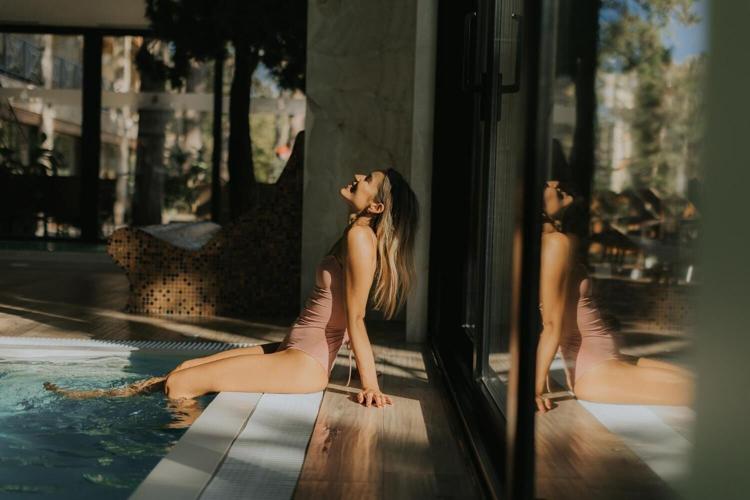
This shift has helped wellness evolve from a separate lifestyle category into a core part of contemporary luxury itself. Homes are being designed around relaxation and functionality, travel experiences increasingly emphasize restoration, and wellness services have become integrated into everyday routines rather than reserved for occasional indulgence.
As modern lifestyles become faster and more digitally connected, the ability to slow down, recover, and create healthier routines has become one of the most desirable forms of luxury available.
Modern Luxury Prioritizes Experience Over Display
One of the clearest changes in luxury culture is the growing emphasis on experience rather than appearance alone.
For years, luxury design often centered around visual impact. Large entertaining spaces, elaborate finishes, and highly decorative interiors dominated upscale residential trends. Today, many homeowners still appreciate aesthetics, but they increasingly want spaces that also support comfort, calm, and everyday livability.
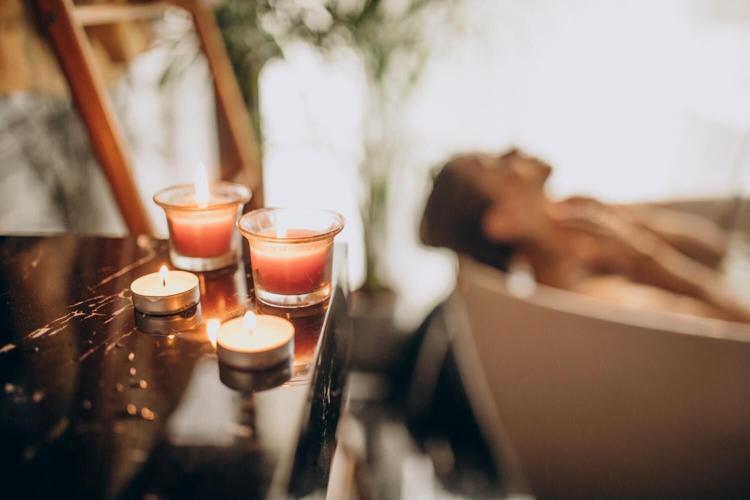
This has influenced everything from architecture and interior design to wellness amenities and daily routines. Quiet spaces, natural lighting, spa-inspired bathrooms, outdoor retreats, air quality improvements, and restorative environments are now commonly viewed as meaningful lifestyle investments rather than secondary features.
The same shift is happening outside the home as well. Wellness experiences that once felt occasional or aspirational have become integrated into regular schedules for many professionals seeking more sustainable ways to manage stress and maintain balance.
Wellness Became a Response to Constant Connectivity
Part of this transformation comes from the pace of modern life itself.
Many people now operate in environments shaped by constant notifications, digital communication, long work hours, and increasingly blurred boundaries between personal and professional time. Even moments intended for rest are often interrupted by screens, multitasking, or ongoing responsibilities.
As a result, recovery has become more intentional.
Rather than viewing wellness as simply fitness or appearance-related, people increasingly see it as necessary maintenance for physical and mental functioning. Sleep quality, stress management, mobility, relaxation, and emotional balance are receiving more attention because they directly affect productivity, focus, and long-term health.
This is one reason wellness-focused environments and services have become more valued in urban lifestyles. In cities where schedules move quickly and downtime feels increasingly limited, spaces designed specifically around recovery often provide something many people struggle to create on their own. Destinations such as Oak Haven Massage in Austin reflect this broader shift toward wellness experiences that prioritize restoration, relaxation, and physical recovery as part of a more balanced lifestyle rather than occasional luxury alone.
Homes Are Being Designed Around Well-Being
The modern luxury home increasingly reflects these changing priorities.
Instead of designing solely for presentation, many homeowners now focus on how spaces support everyday comfort and emotional well-being. Layouts are becoming more functional and less formal. Outdoor living spaces are being used more intentionally. Wellness-oriented features are being integrated directly into residential environments.
This includes everything from meditation rooms and spa-style bathrooms to improved ventilation systems, natural materials, lighting design, and dedicated spaces for fitness or relaxation.
Air quality and acoustics have also become more important considerations in luxury residential design. Homeowners increasingly recognize that environmental factors quietly influence stress levels, concentration, sleep, and overall comfort throughout the day.
Rather than separating wellness from home design, many people now see the two as deeply connected.
Self-Care Has Become More Personalized

Another major shift within modern wellness culture is the movement away from one-size-fits-all routines.
People are becoming more selective about what actually helps them feel healthier, calmer, and more balanced. For some, that may involve fitness and movement. For others, it may involve quiet environments, restorative therapies, improved sleep routines, or simply creating more space for recovery within busy schedules.
This personalization aligns closely with broader luxury trends, where exclusivity increasingly comes from tailored experiences rather than standardized offerings.
Consumers are now drawn toward wellness environments that feel intentional, immersive, and genuinely restorative instead of overly commercial or trend-driven. Authenticity and atmosphere often matter as much as the service itself.
This explains why many wellness-focused spaces now emphasize design, sensory experience, and emotional comfort alongside physical treatments.
Wellness and Interior Design Are Becoming More Connected
The relationship between wellness and interior design has also become much stronger in recent years.
Minimalist aesthetics, natural textures, calming color palettes, and organic materials have gained popularity partly because they create environments that feel less overstimulating. Designers increasingly think about how spaces influence mood, focus, and emotional comfort rather than appearance alone.
Luxury hospitality has influenced residential design significantly in this area. Many homeowners now want bedrooms, bathrooms, and living spaces that evoke the same sense of calm associated with boutique hotels or wellness retreats.
This focus extends beyond furniture and décor. Lighting, scent, airflow, sound control, and spatial openness all contribute to how relaxing a space feels.
The goal is no longer simply creating beautiful interiors, but creating environments that support how people want to feel while living in them.
Time Has Become a Luxury Itself
Perhaps one of the biggest reasons wellness has become associated with luxury is because uninterrupted time itself now feels increasingly rare.
Modern schedules leave many people constantly moving between work obligations, family responsibilities, social commitments, and digital communication. Moments of stillness or genuine relaxation are often difficult to maintain consistently.
Because of this, wellness experiences increasingly represent something deeper than indulgence. They provide opportunities to disconnect, slow down, and recover mentally as well as physically.
In many ways, the luxury is not simply the service or environment itself, but the ability to pause within lifestyles that rarely encourage rest naturally.
This shift has influenced consumer behavior across industries, including hospitality, travel, home design, and wellness services.
Wellness Is Influencing Broader Lifestyle Decisions
Wellness priorities now affect how people choose homes, neighborhoods, travel experiences, and even work environments.
Walkability, access to outdoor spaces, quieter surroundings, natural light, and lifestyle balance increasingly influence purchasing decisions alongside traditional luxury markers. Consumers are paying more attention to how environments contribute to long-term well-being rather than focusing exclusively on status or aesthetics.
Organizations such as Global Wellness Institute continue documenting the rapid growth of wellness-focused consumer behavior across multiple sectors, from real estate and hospitality to personal care and residential design.
This broader cultural movement suggests wellness is no longer viewed as a temporary trend but as a lasting shift in how many people define quality of life.
Luxury Is Becoming More Human-Centered
The evolution of luxury ultimately reflects changing ideas about success itself.
For many people, luxury is no longer defined solely by visibility or exclusivity. Increasingly, it is associated with calm environments, healthier routines, emotional balance, and the ability to feel comfortable within everyday life.
Wellness has become central to this shift because it addresses something increasingly valuable in modern culture: sustainability, not only for homes and environments, but for people themselves.
As lifestyles continue accelerating and digital demands grow, experiences that support recovery, relaxation, and long-term well-being are likely to remain deeply connected to how modern luxury is understood in the years ahead.




(0) comments
We welcome your comments
Log In
Post a comment as Guest
Keep it Clean. Please avoid obscene, vulgar, lewd, racist or sexually-oriented language.
PLEASE TURN OFF YOUR CAPS LOCK.
Don't Threaten. Threats of harming another person will not be tolerated.
Be Truthful. Don't knowingly lie about anyone or anything.
Be Nice. No racism, sexism or any sort of -ism that is degrading to another person.
Be Proactive. Use the 'Report' link on each comment to let us know of abusive posts.
Share with Us. We'd love to hear eyewitness accounts, the history behind an article.