
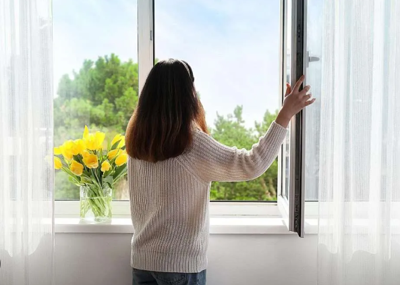

You notice it in someone else’s guest room first. The street sounds softer. The morning light looks cleaner. The temperature stays steady without constant thermostat checks. Then you come home, and your own bedroom suddenly feels drafty, noisy, and dim in ways you had stopped registering. Windows have that effect. They fade into the background until another space shows you what comfort can feel like. For older city homes, window replacement San Francisco often becomes part of maintaining comfort because street noise, shifting temperatures, and aging materials all meet at the glass.
You Get Used to More Than You Think
People adapt to uncomfortable homes slowly. At first, the traffic outside the bedroom window feels irritating. A few months later, it becomes part of the room’s background noise, even though your sleep may still feel lighter than it should.
Drafts work the same way. You learn which chair feels cold in the evening, which window needs the curtain pulled tight, and which room never seems to hold warmth. The body adjusts before the mind admits the house has a problem.
Uneven temperatures can become part of daily routine too. One room overheats in the afternoon, another stays chilly after sunset, and the hallway feels different again. Homeowners often blame the weather, the thermostat, or the age of the house.
Poor insulation hides behind habit. A home can lose comfort through weak glass, tired frames, old seals, and small gaps. After you spend time in a quieter, steadier space, those hidden problems become much harder to ignore.
The comparison feels almost unfair. You may sleep in a hotel room with steady air and muted street noise, then return home and notice every rattle near the window.
Small Signs Your Windows Are Causing Problems
The signs your windows need replacing usually appear as small annoyances before they become obvious defects. One issue may seem minor, but several together can explain why the home feels less comfortable than it should. Watch for patterns across seasons because repeated discomfort usually points to a building issue.
- Condensation: Moisture between panes can point to seal failure. Foggy glass also makes rooms feel dull, even on bright days.
- Rooms heating up too fast: If one room warms quickly after sunrise, the glass may be letting too much heat through.
- Furniture fading from sunlight: Strong UV exposure can fade rugs, sofas, wood floors, and artwork near windows.
- Difficulty opening windows: Sticking, swelling, loose locks, or warped frames can signal age, poor fit, or moisture damage.
- Noticeable drafts: Air movement around the frame means the window is no longer sealing well.
- Outside noise feels too clear: Weak glass and poor seals can make cars, voices, and sirens sound closer than they are.
Why Comfort at Home Depends So Much on Windows
The U.S. Department of Energy explains window efficiency through factors such as heat transfer, solar heat gain, and air leakage, which is why energy-efficient window performance matters when comfort problems keep coming back.
Sleep quality can suffer when windows allow too much sound, heat, cold, or light into the room. A bedroom that faces traffic may keep the body alert through small interruptions. A drafty room can also make sleep feel restless because the temperature keeps shifting. That kind of discomfort often shows up as groggy mornings rather than one clear complaint.
Natural light affects how a home feels during the day. Clear, well-placed windows make rooms feel brighter and more usable, while foggy glass or heavy treatments can make spaces feel dull. Light also affects mood, alertness, and how clean or open a room appears.
Energy efficiency connects comfort with cost. If cooled or heated air escapes quickly, the system has to run longer to maintain the same setting. Comfort also comes down to consistency. A room should not feel pleasant for ten minutes, then slide back into heat, chill, or noise. Good windows help the room stay closer to the condition you expect.
What Modern Windows Change
Modern windows affect more than appearance. They can change how a room sounds, feels, opens, closes, and responds to weather. This is the practical answer to how windows affect comfort at home: they influence the barrier between daily life and outdoor conditions.
- Better insulation: Improved frames, glass packages, and seals help reduce heat transfer. Rooms can feel steadier across the day.
- Noise reduction: Stronger glass and tighter seals can soften voices, traffic and general street noise. Bedrooms and home offices often benefit most.
- Cleaner look: Newer windows can make walls, trim, and daylight feel sharper. Old frames often age a room even after paint or furniture updates.
- Easier maintenance: Modern materials may resist sticking, warping, peeling, and difficult cleaning. That matters in homes where older windows have become a weekly irritation.
- Improved operation: Windows that open, lock, and close smoothly make ventilation easier. Fresh air becomes more practical when the hardware works.
- Better light quality: Clearer glass can make a room feel brighter without changing the layout. The effect is simple, but people notice it immediately.
Good windows are easy to overlook until another home shows you the difference. Noise, drafts, fading, condensation, uneven temperatures, and poor light can all point back to aging windows. Once those issues add up, the home stops feeling as comfortable as it should. Better windows can improve quiet, brightness, insulation, daily use, and overall comfort without changing the whole house.
FAQ
How do I know if my windows are bad?
Bad windows often show themselves through drafts, condensation between panes, sticking frames, faded furniture, outside noise, or rooms that heat and cool too quickly. If several signs appear together, the windows may be affecting comfort, efficiency, and daily use daily.
Can windows affect indoor comfort?
Yes, windows affect indoor comfort because they influence light, temperature, airflow, noise, and energy performance. Poor seals or weak glass can make rooms feel drafty, loud, hot, or cold. Better windows help the home feel more stable every single day.
Why do old windows feel drafty?
Old windows feel drafty because seals wear down, frames shift, glass loosens, and small gaps form around the edges. Those openings allow outdoor air to enter and conditioned air to escape, which can make one room feel uncomfortable fast daily.
Do windows affect energy bills?
Yes, windows can affect energy bills when heat moves through the glass or air leaks around the frame. Heating and cooling systems may run longer to maintain comfort. Department of Energy home energy guidance can support this point clearly too.
When should windows be replaced?
Windows should be replaced when drafts, condensation, poor operation, visible damage, high noise levels, or uneven temperatures keep returning. Replacement also makes sense when repair costs rise and the windows no longer support comfort, efficiency, or the home’s long-term appearance.


(0) comments
We welcome your comments
Log In
Post a comment as Guest
Keep it Clean. Please avoid obscene, vulgar, lewd, racist or sexually-oriented language.
PLEASE TURN OFF YOUR CAPS LOCK.
Don't Threaten. Threats of harming another person will not be tolerated.
Be Truthful. Don't knowingly lie about anyone or anything.
Be Nice. No racism, sexism or any sort of -ism that is degrading to another person.
Be Proactive. Use the 'Report' link on each comment to let us know of abusive posts.
Share with Us. We'd love to hear eyewitness accounts, the history behind an article.