
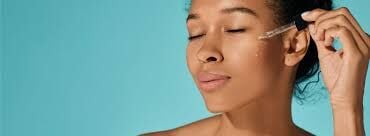
Beauty Consumers Have Changed Dramatically
The beauty and personal care industry has undergone a major transformation over the past few years. Consumers are no longer simply purchasing products based on packaging, celebrity endorsements, or brand recognition. Today’s shoppers are more informed, research-driven, and selective than ever before.
Modern consumers want products that align with their lifestyles, values, routines, and specific concerns. They expect brands to understand their needs on a deeper level — whether that relates to skincare ingredients, sustainability, inclusivity, wellness, or product performance.
As a result, beauty companies are investing more heavily in understanding consumer behavior and using data-backed consumer insights to guide product development, marketing strategies, and brand positioning.
The brands succeeding today are often the ones that listen most closely to what consumers are actively searching for, discussing, and purchasing online.
The Rise of the Educated Beauty Shopper
Social media, digital content, and online reviews have dramatically changed how consumers shop for beauty products.
Instead of relying only on advertising, consumers now research:
- Ingredients
- Product comparisons
- Reviews
- Tutorials
- Dermatologist recommendations
- Before-and-after content
- TikTok beauty trends
- Reddit discussions
This has created a more educated consumer who expects transparency and authenticity from brands.
Beauty shoppers are increasingly aware of what works for their skin, hair, and wellness goals — and they are becoming more skeptical of generic marketing claims.
Why Understanding Consumer Behavior Matters More Than Ever
Consumer expectations are evolving quickly, especially in beauty and personal care.
People now want:
- Personalized solutions
- Ingredient transparency
- Sustainable packaging
- Inclusive representation
- Multifunctional products
- Wellness-focused beauty
- Science-backed formulations
These expectations are influencing every stage of the beauty industry, from product creation to marketing campaigns.
Brands that fail to understand shifting consumer priorities often struggle to remain relevant.
This is why real-time consumer data has become such a critical advantage.
Beauty Trends Are Becoming More Community-Driven
One of the biggest shifts in beauty is the growing influence of niche online communities.
Consumers increasingly connect around specific interests and concerns such as:
- Acne-prone skin
- Sensitive skin
- Hair repair
- Scalp health
- Minimal skincare routines
- Clean beauty
- Fragrance layering
- Barrier repair
- Preventative aging
These communities often shape trends before they become mainstream.
Rather than broad beauty trends dominating the market, brands now need to understand micro-trends and highly specific consumer behaviors.
The Connection Between Consumer Data and Product Innovation
Beauty companies are using consumer intelligence to improve product innovation in several ways.
Identifying Emerging Needs
Consumer conversations often reveal unmet needs before competitors recognize them.
For example, rising discussions around skin barrier damage helped fuel the growth of barrier-repair skincare products.
Understanding Ingredient Demand
Brands can analyze which ingredients consumers are actively researching and discussing online.
Improving Product Messaging
Consumer language helps brands create more relatable product descriptions and educational content.
Reducing Product Development Risk
Data-backed insights help companies validate demand before investing heavily in manufacturing.
This approach allows brands to launch products with greater confidence and stronger market alignment.
Wellness and Beauty Are Becoming More Connected

Another major shift in personal care is the growing overlap between beauty and wellness.
Consumers increasingly view beauty as part of overall self-care and health routines.
This has contributed to growing demand for:
- Stress-reducing skincare
- Functional fragrances
- Sleep-focused beauty products
- Wellness supplements
- Scalp health treatments
- Holistic beauty routines
Consumers are also becoming more interested in products that support long-term skin health rather than quick cosmetic fixes.
This evolution is changing how brands communicate with their audiences.
Social Media Continues to Influence Consumer Preferences
TikTok, Instagram, and YouTube continue playing major roles in shaping beauty trends and purchasing decisions.
However, consumers are becoming more selective about the type of content they trust.
Highly polished advertisements are increasingly being replaced by:
- Honest reviews
- Educational content
- Routine videos
- Ingredient explainers
- Real customer experiences
This shift is encouraging brands to focus more on authenticity and transparency.
Consumers want to see how products fit into real routines rather than only aspirational campaigns.
Why Personalization Is Growing Across Beauty Categories
Consumers increasingly expect beauty experiences tailored to their specific needs.
This includes personalization in:
- Skincare routines
- Haircare recommendations
- Shade matching
- Product bundles
- Subscription services
- Beauty quizzes
- AI-powered recommendations
Personalization helps consumers feel understood while improving customer satisfaction and loyalty.
It also allows brands to differentiate themselves in highly competitive categories.
Sustainability Still Influences Purchasing Decisions
Sustainability continues to influence beauty and personal care purchasing behavior, especially among younger consumers.
Many shoppers actively seek brands that prioritize:
- Refillable packaging
- Ethical sourcing
- Cruelty-free testing
- Environmentally conscious production
- Reduced plastic waste
At the same time, consumers are becoming more aware of greenwashing.
Brands that communicate sustainability efforts clearly and transparently tend to build stronger trust over time.
Data Is Helping Brands Predict Future Beauty Trends
One of the biggest advantages of modern consumer intelligence is the ability to identify trends earlier.
Brands are increasingly analyzing:
- Search behavior
- Social engagement
- Product reviews
- Online conversations
- Influencer activity
- Shopping patterns
This helps companies understand which categories are growing and which trends may have long-term potential.
Many beauty companies are also using these insights to improve inventory planning, marketing campaigns, and product launch timing.
The Future of Consumer-Driven Beauty
The future of beauty and personal care will likely become even more consumer-centered.
Brands that succeed in the coming years will likely prioritize:
- Faster adaptation to trends
- More personalized experiences
- Greater transparency
- Community-driven marketing
- Data-informed innovation
Artificial intelligence and predictive analytics may continue improving how brands interpret consumer behavior, but emotional connection and trust will remain essential.
Consumers want products that not only perform well but also align with their identities, values, and lifestyles.
The beauty and personal care industry is evolving rapidly as consumer expectations continue to change. Shoppers are more informed, more connected, and more selective than ever before.
For brands, understanding consumer behavior is no longer optional — it is essential for long-term growth and relevance.
Companies that successfully combine authentic storytelling with meaningful consumer insights will likely lead the next generation of beauty innovation.
As the industry becomes increasingly competitive, listening closely to what consumers truly want may become the most valuable advantage of all.


(0) comments
We welcome your comments
Log In
Post a comment as Guest
Keep it Clean. Please avoid obscene, vulgar, lewd, racist or sexually-oriented language.
PLEASE TURN OFF YOUR CAPS LOCK.
Don't Threaten. Threats of harming another person will not be tolerated.
Be Truthful. Don't knowingly lie about anyone or anything.
Be Nice. No racism, sexism or any sort of -ism that is degrading to another person.
Be Proactive. Use the 'Report' link on each comment to let us know of abusive posts.
Share with Us. We'd love to hear eyewitness accounts, the history behind an article.