
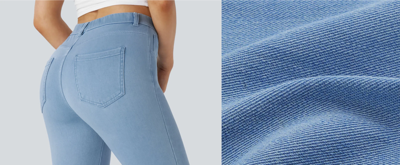

Finding the perfect pair of jeans often feels more complicated than it should be. Many people struggle with inconsistent sizing, uncomfortable fits, or styles that look great but do not feel right after a few hours of wear. These issues can lead to frustration, wasted money, and a closet full of jeans that rarely get used.
This is especially true when it comes to flex denim jeans, which are designed to combine structure with stretch. While they offer added comfort and versatility, choosing the wrong size can cancel out these benefits. Understanding the most common mistakes can help anyone make better choices and enjoy a more comfortable fit.
Why Choosing the Right Denim Size Matters
A well-fitting pair of jeans does more than look good. It supports movement, improves confidence, and adapts to different daily activities.
Key benefits of proper sizing
- Better comfort throughout the day
- Improved mobility and flexibility
- Longer-lasting wear due to reduced strain on fabric
- A more flattering overall appearance
When sizing is incorrect, even high-quality denim can feel restrictive or lose its shape quickly.
Common Pain Points When Buying Denim Jeans
Before diving into specific mistakes, it helps to identify common challenges:
- Inconsistent sizing across brands and styles
- Jeans that stretch out too much or feel too tight
- Difficulty balancing comfort and structure
These issues often stem from misunderstandings about how denim, especially stretch denim, is supposed to fit.
Are flex denim jeans supposed to feel tight at first?
One of the most common misconceptions is that jeans should feel perfectly comfortable right away. With flex denim, this is not always the case.
Understanding initial fit
Flex denim jeans are designed with stretch fibers that adapt to the body over time. This means:
- A slightly snug fit at first is normal
- The fabric will loosen slightly with wear
- The jeans will conform to body shape after a few uses
What is too tight?
While some tightness is expected, there are limits:
- If movement feels restricted, the size may be too small
- If there is discomfort when sitting or bending, consider sizing up
- Excessive pressure at the waist or thighs is a sign of poor fit
The goal is to find a balance where the jeans feel secure but not restrictive.
How do I choose the right size for denim jeans?
Choosing the correct size requires more than relying on a number label.
Measure key areas
To improve accuracy, focus on these measurements:
- Waist
- Hips
- Inseam
Using a measuring tape helps reduce guesswork and increases the chance of finding a consistent fit.
Understand fit types
Different cuts affect how jeans feel and look:
- Slim fit for a tailored appearance
- Straight fit for balanced comfort
- Relaxed fit for more room and ease of movement
Each style may require slight adjustments in sizing.
Consider fabric composition
Denim blends vary widely:
- High cotton content offers structure
- Added elastane or spandex provides stretch
- Flex denim combines both for comfort and durability
Understanding the fabric helps predict how the jeans will behave over time.
Try movement tests
A practical way to check fit is to simulate daily activities:
- Sit down and stand up
- Walk and bend
- Stretch slightly
If the jeans remain comfortable during these movements, the size is likely appropriate.
Common Mistakes to Avoid When Choosing Denim Sizes
Avoiding a few key mistakes can make a significant difference.
Relying only on size labels
Sizes can vary between brands and styles. Always prioritize fit over numbers.
Ignoring the stretch factor
Flex denim behaves differently from rigid denim. Choosing the same size across both types may not work.
Choosing comfort over structure
Jeans that feel too loose initially may lose shape quickly. A slightly snug fit is often better for long-term wear.
Skipping try-on or testing
Without testing movement, it is difficult to know how jeans will perform during daily use.
Overlooking rise and length
Waist rise and inseam length affect overall comfort and appearance. These details should not be ignored.
Are there any durable and comfortable barbell jeans or pants?
Barbell jeans and performance-focused pants are designed for individuals who need both durability and flexibility.
Key features to look for
- Reinforced stitching for strength
- Stretchable fabric for mobility
- Breathable materials for comfort
- Structured design for shape retention
These features make them suitable for active lifestyles while maintaining a polished look.
When to choose barbell-style jeans
- For physically demanding activities
- For long days requiring both comfort and durability
- For individuals who prioritize flexibility without sacrificing structure
What are the best push-up jeans and leggings for a natural look?
Push-up jeans and leggings are designed to enhance shape while maintaining comfort.
Important design elements
- Contoured seams for shaping
- Strategic pocket placement
- Stretch fabric that supports without compressing
Tips for a natural look
- Choose a size that fits snugly without squeezing
- Avoid overly thick or stiff materials
- Look for subtle shaping rather than exaggerated effects
The goal is to enhance natural proportions rather than create an artificial appearance.
Comparing Denim Fit Factors
Feature | Too Tight | Ideal Fit | Too Loose |
Waist | Restrictive | Secure but comfortable | Slips or gaps |
Thighs | Limited movement | Flexible and supportive | Baggy |
Length | Pulls upward | Falls naturally | Excess fabric |
Stretch | Overstretched | Balanced | Loses shape quickly |
This comparison helps visualize how proper sizing should feel.
Choosing Reliable Options for Everyday Wear
When selecting denim, consistency in quality and fit is essential. Many modern brands focus on combining comfort, durability, and style to meet everyday needs.
In the denim category, Lululemon and Fabletics often emphasize performance-oriented fabrics and structured fits, with Halara presenting a more accessible approach that focuses on flexible construction and everyday comfort.
Choosing the right size for denim jeans is not just about numbers. It involves understanding fabric, fit, and how the jeans will adapt over time. Flex denim jeans, in particular, require a slightly different approach due to their stretch and shaping capabilities.
By avoiding common mistakes and focusing on proper fit, anyone can find jeans that feel comfortable, look flattering, and last longer. With the right knowledge, denim shopping becomes less of a challenge and more of a confident, informed decision.

(0) comments
We welcome your comments
Log In
Post a comment as Guest
Keep it Clean. Please avoid obscene, vulgar, lewd, racist or sexually-oriented language.
PLEASE TURN OFF YOUR CAPS LOCK.
Don't Threaten. Threats of harming another person will not be tolerated.
Be Truthful. Don't knowingly lie about anyone or anything.
Be Nice. No racism, sexism or any sort of -ism that is degrading to another person.
Be Proactive. Use the 'Report' link on each comment to let us know of abusive posts.
Share with Us. We'd love to hear eyewitness accounts, the history behind an article.