
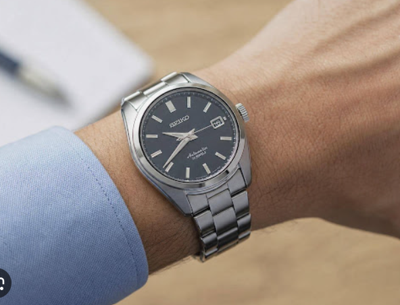

Choosing a watch involves far more than picking a design that catches your eye on a screen or behind glass in a display case. A well-chosen watch strikes a balance between comfort, legibility, durability, lifestyle suitability, and upkeep. Brand recognition or good looks alone won't tell you whether a watch actually works for daily wear. Shoppers researching their options will run into countless categories and brands, including omega watches, while sorting through specifications and styles. This article doesn't push any particular brand; instead, it focuses on the evaluation criteria that help any buyer make an informed, practical decision.
Start With Your Intended Use
Match the Watch to Daily Activities
A watch meant for the office typically leans toward slimness and understated styling, while one built for outdoor or water-related activities emphasizes legibility and resistance to impacts, moisture, dust, and temperature swings. Before you even think about appearance, be honest with yourself about where the watch will actually spend most of its time—on a desk, in a gym bag, or strapped to your wrist on a hike.
Consider How Often You Will Wear It
Some buyers want a single everyday watch, others rotate a small collection, and some set aside one piece strictly for formal occasions. For many people, versatility matters more than specialized features. Take a commuter who wears the same watch to the office, on weekend errands, and during the occasional trip. That person is better served by a moderately water-resistant, medium-sized watch with clear legibility than by a highly specialized diving instrument that rarely sees anything wetter than a kitchen sink.
Understand the Main Watch Components
Movement Types
Quartz movements rely on a battery and a vibrating crystal, delivering accuracy with minimal upkeep. Mechanical hand-wound movements need manual winding and tend to appeal to those who appreciate traditional craftsmanship. Automatic mechanical movements wind themselves through the natural motion of your wrist, though they may still require periodic servicing to stay accurate and resistant to shocks or magnetism. No single movement type wins outright—each comes with its own trade-offs between accuracy, convenience, and the overall ownership experience.
Case, Crystal, and Materials
Common case materials include stainless steel, titanium, ceramic, and precious metals, each bringing its own weight, durability, and repairability to the table. Crystal options—acrylic, mineral glass, and sapphire—trade scratch resistance against impact resistance and repair cost. Rather than guessing based on looks, check these details against manufacturer documentation.
Choose the Right Size and Fit
Measure Your Wrist
Measure wrist circumference with a flexible tape or even a strip of paper. Circumference alone won't tell the whole story, since wrist shape and flat width also play into comfort. One measurement that's easy to overlook but genuinely useful is lug-to-lug distance—the span from one lug tip to the other. This figure often decides whether a watch overhangs the wrist more than the case diameter alone would suggest.
Compare Case Dimensions
Compare case diameter, lug-to-lug length, thickness, lug width, and strap adjustment range across the models you're considering. Dial size, bezel width, and case curvature can all make a watch look larger or smaller than its stated diameter implies. Whenever possible, try on comparable watches in person or make a quick paper template before committing to a purchase.
Fit checklist:
- No lug overhang beyond the wrist edge
- Comfortable crown position that doesn't dig into the hand
- Secure strap or bracelet with room to adjust
- Readable dial at a normal viewing distance
- Acceptable thickness under a shirt cuff
Evaluate Legibility and Practical Features
Prioritize Information You Will Actually Use
Clear hour markers, strong contrast, and luminous hands all make a watch easier to read at a glance. Features like a date display, rotating bezel, chronograph, or second time zone can be genuinely useful—or just added complexity you'll never touch. Each extra mechanism can add thickness and future servicing considerations, so it's worth figuring out which complications you'll actually use versus which ones simply look impressive on paper.
Consider Water Resistance Carefully
Water resistance ratings don't automatically translate into a green light for any activity. Always check the manufacturer's guidance before swimming or diving. A few practical habits go a long way: secure the crown and pushers before water exposure, avoid operating buttons underwater unless the watch is specifically built for it, and rinse with fresh water after any contact with saltwater.
Assess Ownership and Maintenance Requirements
Understand Long-Term Care
Watches may need cleaning, water-resistance checks, movement regulation, battery replacement, or periodic servicing. Service intervals vary depending on movement type, construction, and manufacturer recommendations—some brands suggest inspections every few years, while others base it on how heavily the watch is used. Exposure to shocks, moisture, or magnetism can justify an earlier check-up than the standard schedule calls for.
Protect the Watch in Everyday Use
Store watches somewhere dry and secure, away from strong magnetic fields when it matters, and clean metal bracelets with appropriate materials. Skip the hot showers, baths, or saunas unless the watch is specifically rated for it, since seals age over time and water resistance isn't a permanent guarantee. Someone who swims daily has very different maintenance priorities than someone who mostly wears a watch at a desk.
Verify Quality, Documentation, and Seller Reliability
Check the Product Information
Always verify the reference number, movement type, case dimensions, crystal material, water-resistance rating, warranty terms, and included accessories. Watches that look nearly identical at a glance can differ quite a bit once you dig into these specifications.
Evaluate the Purchase Source
Look for clear return policies, written warranty terms, accurate condition descriptions, secure payment methods, and independent customer feedback. Be wary of unusually low prices, vague photographs, or any pressure to buy quickly.
Common Mistakes to Avoid
- Judging fit by case diameter alone, ignoring lug-to-lug length
- Treating a water-resistance rating as a guarantee for any activity
- Adding complications without considering servicing costs
- Overlooking thickness when wearing a watch under a cuff
- Assuming mechanical movements are inherently more accurate than quartz
- Skipping verification of warranty and service terms
A Practical Decision Framework
- Define the primary use.
- Set a realistic total ownership cost, including maintenance.
- Select a movement type based on convenience and interest.
- Measure wrist circumference and flat width.
- Compare case, lug-to-lug, and thickness measurements.
- Verify water resistance and care requirements.
- Check documentation, warranty, returns, and service support.
- Reassess whether the watch fits practical needs, not just visual preference.
Key takeaway: The best watch is the one whose size, features, durability, and maintenance requirements fit the owner's actual life.
Choosing With Confidence for the Long Term
A sound decision blends personal preference with measurable criteria—fit, legibility, intended use, and maintenance matter more than brand familiarity alone. Compare several watches using the same checklist, and don't hesitate to seek professional advice when specifications are unclear. A watch becomes far more satisfying to own when its design and capabilities genuinely support your everyday habits rather than simply chase a passing trend.

(0) comments
We welcome your comments
Log In
Post a comment as Guest
Keep it Clean. Please avoid obscene, vulgar, lewd, racist or sexually-oriented language.
PLEASE TURN OFF YOUR CAPS LOCK.
Don't Threaten. Threats of harming another person will not be tolerated.
Be Truthful. Don't knowingly lie about anyone or anything.
Be Nice. No racism, sexism or any sort of -ism that is degrading to another person.
Be Proactive. Use the 'Report' link on each comment to let us know of abusive posts.
Share with Us. We'd love to hear eyewitness accounts, the history behind an article.