
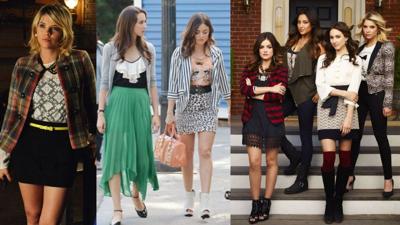

You are in a changing room holding a pair of wide-leg jeans your daughter recommended, and the changing-room glass shows two possible outcomes. In one, the jeans look like a considered update to a wardrobe that has not changed since 2015. In the other, they look borrowed from someone 25 years younger. The difference between those two results comes down to fit, proportion and the number of current pieces worn at the same time, and all three can be settled before anything is paid for.
Fit and Proportion
Clothes bought for the body someone had 10 years ago are a common reason an outfit looks dated. Shoulders and waists change with age, and a shirt that fit well at 35 can pull across the chest at 50. Sizing down to look slimmer makes the problem worse, because a tight garment creates tension lines across the stomach and shoulders that draw attention to the area the wearer wanted to hide.
For jackets, the shoulder seam should end at the edge of the natural shoulder bone, and the sleeve should stop slightly above the wrist bone with a quarter to a half inch of shirt cuff showing. Shoulders are the hardest part of a jacket to alter, so a buyer choosing between two sizes should take the one that fits the shoulders and have the waist adjusted.
For trousers, a straight or slightly tapered leg with a small break at the shoe looks good on most bodies, and it avoids the dated look of a cut that belongs to one specific year.
One Current Piece Per Outfit
The fastest way to look as though you are trying too hard is to buy a complete look from one season. A head-to-toe trend looks like a costume on an adult of any age, because it shows that every item came from the same shop window in the same month.
The method that works is to add one current item to an outfit built from established pieces. Wide-leg trousers with a plain knit and leather shoes look up to date. The same trousers with a cropped jacket and a bucket hat look like an attempt at youth, and the attempt is the thing people notice.
Tonal outfits in navy or camel look expensive and current, and a single bright item can be added to them without trouble. A whole outfit in acid brights draws attention to the effort involved.
Accessories are the lowest-risk place to try something current. A new watch strap or a current bag shape can be swapped out without committing a whole outfit, and neither needs a tailor. If the item looks wrong after a month, the cost of the mistake is small.
Fabric, Condition and Shoes
Black cotton faded to charcoal and knitwear pilled at the elbows add years to an outfit, because they show how long the wardrobe has gone without attention. Replacing the most-worn basics once a year is a smaller expense than a new look, and it removes the signs of wear that other people notice without thinking about them. When Nottingham Trent University researchers asked more than 40 women aged 55 and over what they want from fashion, the group asked for durable natural fabrics such as silk, wool and linen, and summed up its view as loved clothes last.
A plain leather sneaker in white or tan goes with jeans and trousers at most ages, while a heavily branded running shoe worn away from the gym looks like sportswear. Leather shoes are worth resoling and polishing, since a well-kept older pair looks better than a cheap new one, and scuffed toes are one of the first things people see when someone sits down.
Style Across Different Relationship Choices
Dressing younger often follows a change at home. A man dating again after a divorce and a woman whose new partner is 12 years younger face the same question on a Friday night.
Some people remarry, some keep separate homes with a long-term partner, and some men settle into life as a sugar daddy with a partner who chose that relationship as deliberately as he did. The wardrobe advice is the same in each case, and it starts with the body a person has now.
Eyewear and the Face
Eyewear has a small effect on perceived age. In a 2020 study published in i-Perception, Nicolas Brunet and Jonathan Sharp set out to measure the effect of glasses on age perception, using 300 digitally altered images of faces, some shown with eyeglasses and some with sunglasses. Eyeglasses added about 1.3 years to young faces and made no measurable difference to older ones. Sunglasses made older faces look about 1.8 years younger. The study used only 21 raters. Their results contradict a widely reported London Vision Clinic survey that claimed eyeglasses make people over 45 look 5 or more years older.
Frames are therefore a style decision first. A current frame shape in thin metal or a mid-tone acetate looks updated, and the same prescription in frames chosen a decade ago dates the face through the shape of the frame. The same applies to a haircut. An old haircut can date an outfit as much as an old garment, and a barber or stylist can suggest a current version of the same length in one appointment.
Age Cutoffs and Ageist Labels
Rules about what to stop wearing at a given age are mostly opinion. A 2011 poll of more than 2,000 women, commissioned by a British meal-delivery company, set the cutoff for a miniskirt at 35 and the cutoff for stilettos and ponytails at 51. The figures were respondents' views, collected without anyone looking at an outfit.
The best-known insult on the subject is aimed at women. The Cambridge Dictionary defines mutton dressed as lamb as a way of describing an older woman dressed in a style more suitable for a younger one. Men who dress younger face ridicule too, though the language for it is less settled.
The phrase is still in common use. In polling released in June 2026 by Age Without Limits, a campaign run by a British charity, 18% of people said they had used "mutton dressed as lamb" about an older person, and 48% had used or received at least one of 8 everyday ageist phrases. Another 21% had described an older person as stuck in their ways. Someone who dresses younger is likely to hear one of them. A well-fitted outfit with a single current piece gives the critic nothing specific to point at.
The First Tailoring Appointment
Start with the garment worn most often. Take it to a tailor, have the waist or hem corrected to the body as it is now, and then buy one current piece to wear with it. That order matters, because a new item worn with clothes that no longer fit will look like a costume regardless of how well chosen it is. Repeat the process once a season with a different garment, and within a year the wardrobe will look current without a single outfit that looks like an attempt.

(0) comments
We welcome your comments
Log In
Post a comment as Guest
Keep it Clean. Please avoid obscene, vulgar, lewd, racist or sexually-oriented language.
PLEASE TURN OFF YOUR CAPS LOCK.
Don't Threaten. Threats of harming another person will not be tolerated.
Be Truthful. Don't knowingly lie about anyone or anything.
Be Nice. No racism, sexism or any sort of -ism that is degrading to another person.
Be Proactive. Use the 'Report' link on each comment to let us know of abusive posts.
Share with Us. We'd love to hear eyewitness accounts, the history behind an article.