
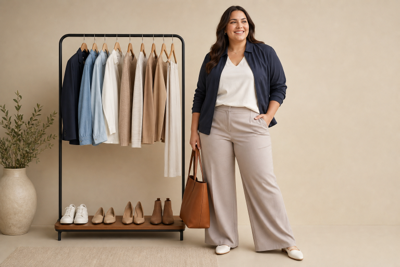
A comfortable plus-size capsule wardrobe is not about limiting your style. It is about keeping clothes that fit your routine, feel good on your body, and make getting dressed less complicated. Browsing women's plus size fashion by Torrid can also help you compare silhouettes, layers, and outfit ideas as you decide which categories may suit your needs. The right combination of versatile pieces can make everyday dressing feel more manageable.
The most useful capsule is personal. It may include bright colors, soft knits, jeans, dresses, tailored pieces, sneakers, or statement accessories. Instead of copying a rigid list, build around the clothing you genuinely reach for and the occasions that fill your week. This approach allows your wardrobe to reflect your lifestyle while leaving room for personal expression.
What A Capsule Wardrobe Really Means
A capsule wardrobe is a smaller collection of clothing designed to be mixed into multiple outfits. The basic idea behind a capsule wardrobe is coordination, not deprivation. A pair of pants that works with several tops is usually more useful than a piece that only works with one exact outfit. Your capsule can be as small or as large as your lifestyle requires.
Start With Real Life, Not A Clothing Checklist
Before sorting or shopping, consider how you actually spend your time. Think about work dress codes, school runs, commuting, travel, exercise, social events, weather, and relaxed days at home. A closet full of polished blouses will not feel practical if most days call for soft layers and walkable shoes.
Questions To Ask
- Which outfits do you wear most often during a typical week?
- Do you sit, stand, walk, drive, or move between temperatures throughout the day?
- What fabrics and cuts feel comfortable for several hours?
- Which occasions need clothing that is more polished or weather-ready?
Complete A Simple Wardrobe Audit
Start with what you own. Pull out your most-worn clothing, then set aside items that need a button replaced, a hem repaired, or an alteration. Separate pieces that no longer fit your current lifestyle without judging yourself for owning them. Group the remaining clothes by category, season, and color, then make a short list of genuine gaps. This helps prevent buying duplicates or shopping from memory.
Choose The Right Core Pieces
There is no universal piece count. Laundry access, climate, budget, and work needs all matter. A practical starting point might include two or three everyday tops, one more polished top, two dependable pairs of pants, jeans or casual trousers, an easy dress or jumpsuit, a cardigan or jacket, a warm outer layer, and two pairs of comfortable shoes.
Accessories can do useful work in a capsule, too. A scarf, earrings, a belt, a bag, or colorful shoes can change the feeling of familiar clothes without requiring an entirely new outfit.

Focus On Fit, Fabric, And Movement
Fit is more than how a garment looks while standing still. When trying something on, sit down, raise your arms, walk, bend, and notice whether you need to tug, smooth, or adjust it repeatedly. Check for a comfortable room through the bust, upper arms, hips, thighs, and waistband. Buttons should lie flat, and waistbands should remain wearable after you move.
Fabric matters just as much. Consider stretch, breathability, weight, drape, and whether the material returns to shape after wear. Some people prefer structured fabrics for a polished look, while others feel best in soft knits or woven fabrics with a little give. The right choice is the one that works for your climate and comfort preferences.
Use Easy Outfit Formulas
Outfit formulas reduce morning decision fatigue while leaving room for personality. Try a soft top with straight-leg pants and a light jacket, an easy dress with a cardigan and flats, or a statement top with dark denim and simple accessories. Another reliable option is a polished blouse with wide-leg trousers and low-profile shoes.
When an outfit feels especially good, take a quick photo. Keeping a small album of successful combinations makes it easier to repeat them on busy days.
Create A Flexible Color Plan
A simple color structure makes mixing easier. Choose two or three base colors, such as black, navy, cream, brown, charcoal, or denim. Then add a few colors or prints that you enjoy wearing, whether that means berry, cobalt, teal, red, floral patterns, or textured fabrics. Coordination matters more than matching everything exactly.
Build For All Four Seasons
Layers can help a wardrobe work across changing temperatures. Lightweight tanks and tees can form the base, while cardigans, overshirts, jackets, and sweaters add warmth. Choose outerwear that fits comfortably over your usual layers, rather than buying a coat that only works over thin clothing. Keep shoes appropriate for the conditions you regularly encounter, especially rain, snow, heat, or long walks.
Shop With A Clear Plan
Shop from your gap list, one category at a time. Check garment measurements when they are available, read fabric and care details, and review return policies before ordering. If you are trying a new brand or silhouette, buying one test piece first can be less stressful than ordering several items at once. Before making a new purchase, try it with at least three pieces already in your closet.
Secondhand shops, clothing swaps, tailoring, and borrowing for one-time events can also support a thoughtful wardrobe. You do not need to replace everything at once to make progress.
Care For Clothes So They Last
Care habits can help favorite pieces stay in rotation. Follow garment labels, air-dry items that may shrink or lose shape, fold heavier knits when possible, and fix loose buttons or small tears early. Rewearing clean garments when appropriate and choosing reuse options can also help reduce waste through reuse before you buy a replacement.
Avoid Common Capsule Wardrobe Mistakes
- Choosing a fixed number of items before considering your real routine.
- Keeping "versatile" pieces that feel restrictive or uncomfortable.
- Skipping shoes, underlayers, outerwear, and accessories when planning outfits.
- Buying several items before confirming the fit and fabric work for you.
- Assuming every item must suit every occasion.
- Replacing an entire wardrobe instead of building gradually.
A Capsule Wardrobe Should Make Life Easier
The best plus-size capsule wardrobe supports your life as it is now. Focus on reliable fit, comfortable movement, useful layers, and colors that make you happy to get dressed. A successful capsule need not be perfect, neutral, expensive, or minimal. It only needs to contain pieces that earn their place through regular wear.
Key Takeaways
- Build your capsule around your lifestyle, comfort, and personal style.
- Audit your current wardrobe before buying new pieces.
- Prioritize versatile clothing with a comfortable fit, fabric, and movement.
- Use simple outfit formulas and a flexible color plan.
- Choose layers and footwear suited to your climate and routine.
- Shop from a clear gap list and avoid unnecessary duplicates.
- Care for clothing properly to extend wear and reduce replacements.


(0) comments
We welcome your comments
Log In
Post a comment as Guest
Keep it Clean. Please avoid obscene, vulgar, lewd, racist or sexually-oriented language.
PLEASE TURN OFF YOUR CAPS LOCK.
Don't Threaten. Threats of harming another person will not be tolerated.
Be Truthful. Don't knowingly lie about anyone or anything.
Be Nice. No racism, sexism or any sort of -ism that is degrading to another person.
Be Proactive. Use the 'Report' link on each comment to let us know of abusive posts.
Share with Us. We'd love to hear eyewitness accounts, the history behind an article.