
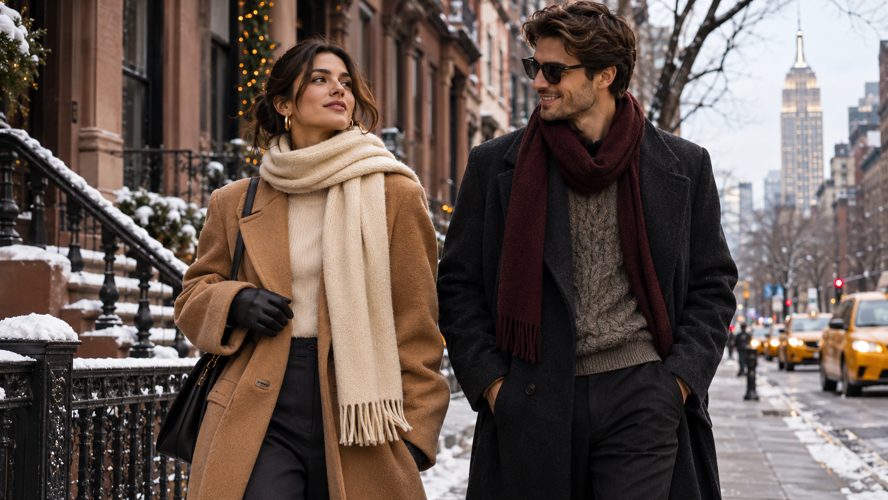


Stylish couple wearing elegant winter coats, scarves, and knitwear while walking along a snowy Manhattan street.
New York City in winter calls for a wardrobe that balances warmth, comfort, and effortless style. Pack a well-insulated coat, versatile knitwear, thermal layers, and comfortable boots with good grip for long walks and potentially icy sidewalks. Add a few accessories- a warm scarf, gloves, and a beanie and choose pieces that can transition easily from daytime sightseeing to dinner or a Broadway show. With a little planning, you can stay comfortable in the cold without sacrificing the polished city-ready look.
Winter in New York generally means cold mornings, chilly evenings, and frequent changes in how the weather feels throughout the day. National Weather Service climate normals for Central Park put December’s average high near 44°F (7°C) and low around 34°F (1°C). January is colder, with an average high near 40°F (4°C) and low around 28°F (-2°C). February begins to edge upward, averaging approximately 42°F (6°C) during the day and 30°F (-1°C) overnight. These are long-term averages, not a forecast for any particular trip.
Wind can make exposed streets, bridges, and open spaces feel colder than the thermometer suggests. Rain, wet pavement, occasional snow, and slush are also part of the season; snowfall varies considerably from one winter to another. Visitors arriving from warmer climates sometimes underestimate how much time they will spend outdoors between subway entrances, hotel doors, shops, and attractions. Check the forecast shortly before departure, but plan for cold evenings and at least one wet-weather day. The National Weather Service’s Central Park climate normals are a useful reference when preparing.
The Winter Coat That Makes the Outfit

Your coat will likely be the most visible piece in your New York winter wardrobe, so choose one that works with several outfits. A long wool coat in camel, charcoal, navy, or black creates a refined silhouette over jeans, tailored trousers, and knit dresses. It is especially useful for dinners, shopping, and days when the weather is cold but dry. Look for a lining, a comfortable shoulder fit, and enough room to wear a sweater underneath without pulling at the buttons.
For extended sightseeing or colder, wetter days, an insulated parka or a well-cut long puffer is often the more practical choice. The Patagonia Women's Down With It Parka is one option, offering recycled down insulation and a longer cut for added warmth and coverage. A tailored puffer with a defined waist or clean quilting can look just as considered as a traditional coat. A longer length offers extra coverage when waiting outside or walking through the park. If luggage space allows, one polished wool coat and one weather-protective outer layer make a versatile combination; for a shorter trip, choose the coat that best suits the forecast and your planned activities.
How to Layer Without Looking Bulky
The secret to comfortable winter dressing is using several purposeful layers instead of one oversized sweater. Start with a lightweight thermal top or close-fitting base layer, particularly if you expect to spend hours outside. The Smartwool Women's Classic Thermal Merino Base Layer 1/4 Zip is a useful option, offering lightweight Merino wool warmth that fits comfortably beneath sweaters and coats. Add a merino wool or cashmere sweater, then finish with a coat that leaves enough room for movement. A fine-gauge turtleneck beneath a blazer and wool coat is a streamlined option; a thermal top beneath a crewneck sweater works well for more casual days.
Think about what happens when you step indoors. Restaurants, museums, shops, and many subway spaces can feel much warmer than the sidewalk, so choose layers you can remove easily. A cardigan, zip-neck knit, or lightweight scarf is easier to manage than a bulky sweatshirt that you cannot comfortably carry. Thermal leggings beneath trousers can add warmth on especially cold days, while wool socks help keep feet comfortable without requiring oversized shoes. The aim is to stay warm outdoors and avoid overheating once you are inside.
The Best Shoes and Boots for Walking Around NYC
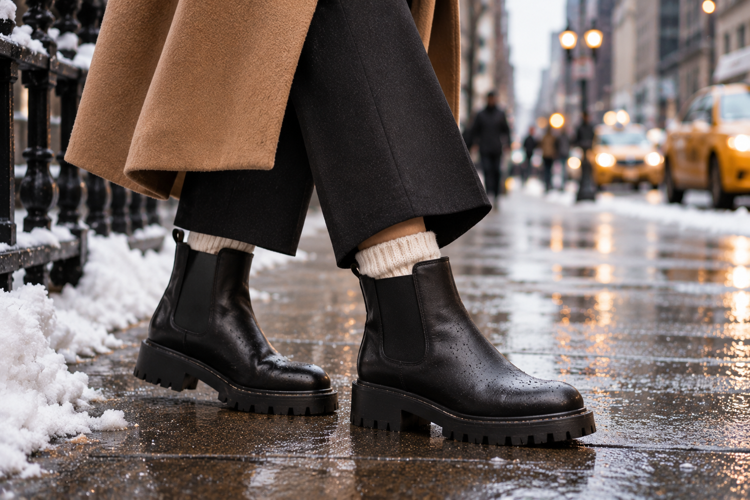
New York is a walking city, even when you plan to use the subway. A day of sightseeing can involve several miles on pavement, stairs, station platforms, and museum floors. Choose footwear with cushioning, a supportive footbed, a secure fit, and a sole with dependable grip. Waterproof or water-resistant leather ankle boots are a strong everyday option, especially when they have a low block heel or flat profile. A lug sole can help with wet pavement, although no fashion sole should be assumed to provide reliable grip on ice.
For snow, slush, or a particularly cold forecast, bring insulated boots designed for winter conditions. Keep a smarter pair of shoes for evenings if your plans call for them, rather than trying to walk all day in delicate heels. Clean leather sneakers can work on dry days, but they offer less protection from cold and wet conditions than proper winter footwear. Suede looks beautiful but needs extra care around rain and slush. For more styling inspiration, see FINE’s guide to winter boots and ways to wear them.

Chic NYC Winter Outfits for Day and Night
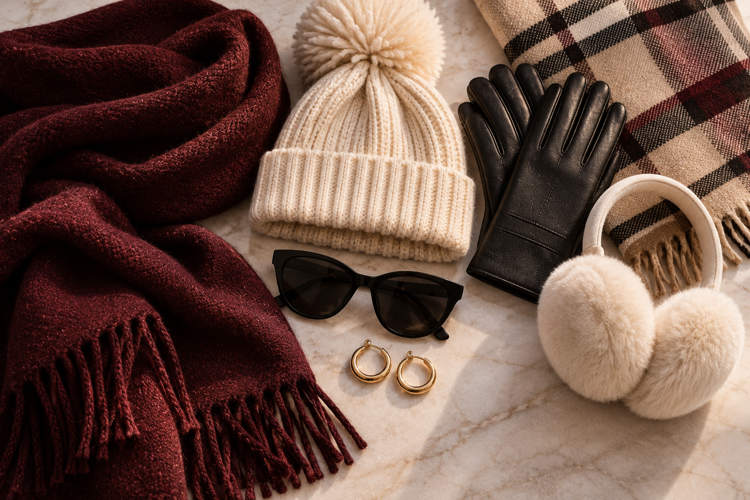
For shopping in SoHo or along Fifth Avenue, try straight-leg denim, a fine-knit sweater, a long wool coat, and comfortable leather ankle boots. A structured crossbody bag keeps essentials close without getting in the way. For sightseeing around Rockefeller Center or Central Park, choose a thermal base layer, warm knitwear, lined trousers, a scarf, gloves, and weather-ready boots. A beanie adds warmth without taking up much room in a day bag. Men can build a similarly polished daytime look with dark denim or wool trousers, a merino sweater, a practical overcoat, and supportive leather boots.
Museums and galleries call for layers that are easy to remove and carry: tailored trousers, a fine turtleneck, a light jacket beneath your coat, and comfortable shoes. For Broadway performances, an upscale dinner, or evening cocktails, change the emphasis rather than the entire outfit. A knit dress with opaque tights and sleek boots works well; so do tailored trousers, a refined blouse or shirt, and a blazer beneath a wool coat. Men can pair dark trousers with a fine-gauge sweater, collared shirt, and polished boots. Holiday events are a natural opportunity for velvet, subtle metallic accessories, or a rich seasonal color such as burgundy, but warmth should still come from the layers underneath.
What to Pack for a Three- to Five-Day NYC Winter Trip
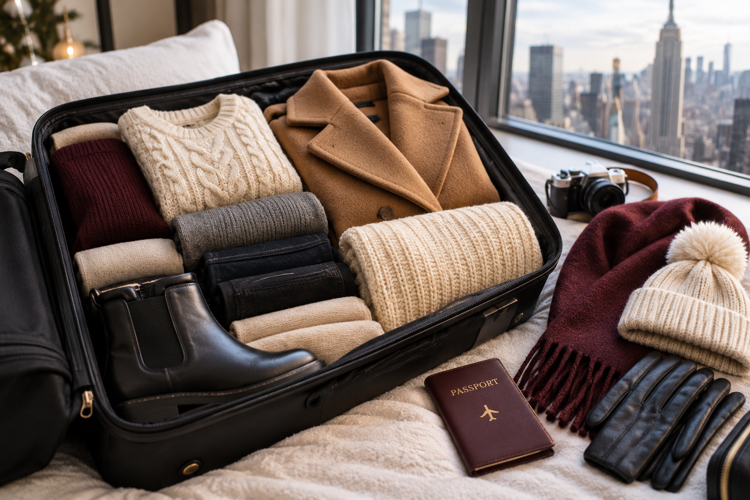
A compact NYC winter packing list should cover casual sightseeing, a smarter evening, and a change in weather. For a three- to five-day visit, start with:
- One substantial winter coat
- Two or three sweaters
- Two thermal tops
- Two or three pairs of trousers or jeans
- One evening-ready outfit
- Enough underwear and socks for each day
- One or two extra pairs of warm socks
- Two pairs of shoes, if luggage allows
- One scarf, one pair of gloves, and a hat or beanie
- Sleepwear and a compact umbrella
Choose two pairs of shoes if luggage allows: comfortable weather-ready boots for daytime and a lighter, dressier option for evenings. A good pair of gloves is just as important for long walks between neighborhoods and outdoor attractions. The Hestra Beth Women's Glove offers a leather exterior and soft lining, with touchscreen-friendly functionality for checking maps or taking photos without removing your gloves.If you own only one pair that can handle both, wear it on the journey to save suitcase space.
Finish with a small crossbody or day bag for exploring, while a foldable tote can hold purchases or an extra layer. Keep the color palette coordinated—black, navy, charcoal, camel, cream, and denim are easy to mix so a few pieces create several distinct outfits. Wear your bulkiest coat and shoes while travelling, roll softer garments where practical, and leave room for anything you may pick up in the city.

What to Wear in NYC in December, January, and February
December can bring a mix of crisp days, damp weather, and colder evenings. A wool coat, warm sweater, scarf, and boots are a sensible foundation, with an insulated layer available for longer outdoor plans. The month also offers plenty of opportunities for festive dressing: a velvet jacket, a textured knit dress, or a statement scarf can make an outfit feel seasonal without requiring a completely separate holiday wardrobe. Do not assume that December will be mild simply because the calendar still feels close to autumn.
January and February generally call for more consistent cold-weather protection. Prioritize a properly insulated coat, thermal layers, gloves, warm socks, and shoes that can handle wet or icy conditions. February can still be wintry even as average temperatures begin to rise slightly. Snow is possible in both months, but it is not guaranteed during any particular visit. Check the forecast and local conditions before setting out, especially if you plan to spend time in Central Park or walk long distances.
Winter Fashion Mistakes to Avoid in New York

One common mistake is choosing shoes for photographs rather than for the day ahead. Thin soles, slippery heels, and delicate suede can become uncomfortable on wet pavement or slushy sidewalks. Another is relying on one heavy layer. A thick sweater may feel warm outside but become uncomfortable in a heated restaurant or museum. Lightweight layers give you more control and make it easier to adjust throughout the day.
It is also easy to forget smaller essentials. Gloves matter when you are using your phone outdoors, and a scarf can protect your neck when wind picks up. Avoid packing a different coat or pair of shoes for every outfit; they take up space and often go unused. Instead, plan a few combinations around pieces that work together. FINE’s feature on elegant winter fashion and staying warm offers further ideas for balancing comfort and a polished look.
Frequently Asked Questions About NYC Winter Clothing
Do you need snow boots in New York City in winter?
Not every visitor will need dedicated snow boots. Waterproof, insulated boots are useful if snow or slush is forecast, or if you plan to spend extended time outdoors. For dry days, comfortable weather-resistant leather boots may be enough.
Can you wear sneakers in NYC in December?
Yes, on dry days. Choose supportive sneakers with a secure fit and enough room for warm socks. They are less suitable for heavy rain, slush, or icy sidewalks, so check conditions before heading out.
What should you wear to a Broadway show in winter?
Smart-casual clothing is a reliable choice: tailored trousers, a sweater or blouse, and polished boots. A knit dress with tights also works well. Bring a warm coat for the walk to and from the theater.
What kind of coat is best for NYC in January?
A warm, lined wool coat works well for many city days, while an insulated parka or long puffer is better for prolonged outdoor time or wet, very cold weather. Choose based on the forecast and your itinerary.
How do you look stylish in New York when it’s freezing?
Build the outfit around a well-cut coat, coordinated layers, and comfortable boots. Use texture, proportion, and accessories to add personality, rather than relying on impractical shoes or clothing that leaves you cold.
The FINE Take
New York winter style is less about dressing for a photograph and more about being ready for the whole day. With a dependable coat, thoughtful layers, comfortable shoes, and a coordinated capsule wardrobe, you can move from morning sightseeing to an evening out feeling warm, confident, and well dressed.

(0) comments
We welcome your comments
Log In
Post a comment as Guest
Keep it Clean. Please avoid obscene, vulgar, lewd, racist or sexually-oriented language.
PLEASE TURN OFF YOUR CAPS LOCK.
Don't Threaten. Threats of harming another person will not be tolerated.
Be Truthful. Don't knowingly lie about anyone or anything.
Be Nice. No racism, sexism or any sort of -ism that is degrading to another person.
Be Proactive. Use the 'Report' link on each comment to let us know of abusive posts.
Share with Us. We'd love to hear eyewitness accounts, the history behind an article.