
Even though a washing machine may look clean, buildup and residue may still remain inside. Moisture can get trapped between loads, and there could be leftover detergent residue around the washing machine drum and in the detergent drawer and door seal.
Washing machine cleaner tablets can help with residue as part of washing machine maintenance. If a washing machine smells musty, the first step would be to make sure water is draining properly and check where residue collects. The owner’s manual explains the cleaning tasks for that model.
Why a Washing Machine Develops a Musty Smell
According to LG, improper use of detergent and missed maintenance may contribute to odor in the washer. Detergent residue can build up around the drum and gasket. Hair and lint can get caught in the seals and hold water.
Attention to these areas is warranted even if the visible drum is clear. On a front load washer, the folds of the rubber seal may trap debris. A quick inspection of the detergent drawer may reveal leftover detergent.
Drainage is important too. LG says a clogged drain-pump filter can leave water behind and create odor. The location and procedure for maintenance of the filter vary by model. The manual should describe the procedure for inspecting the filter. Smell alone can't identify what part of the washer is in need of maintenance.
Where Washing Machine Cleaner Tablets Fit
Cleaner tablets are designed to remove internal buildup during a washer-cleaning cycle. They are used in an empty machine, following the product label and washer manual.
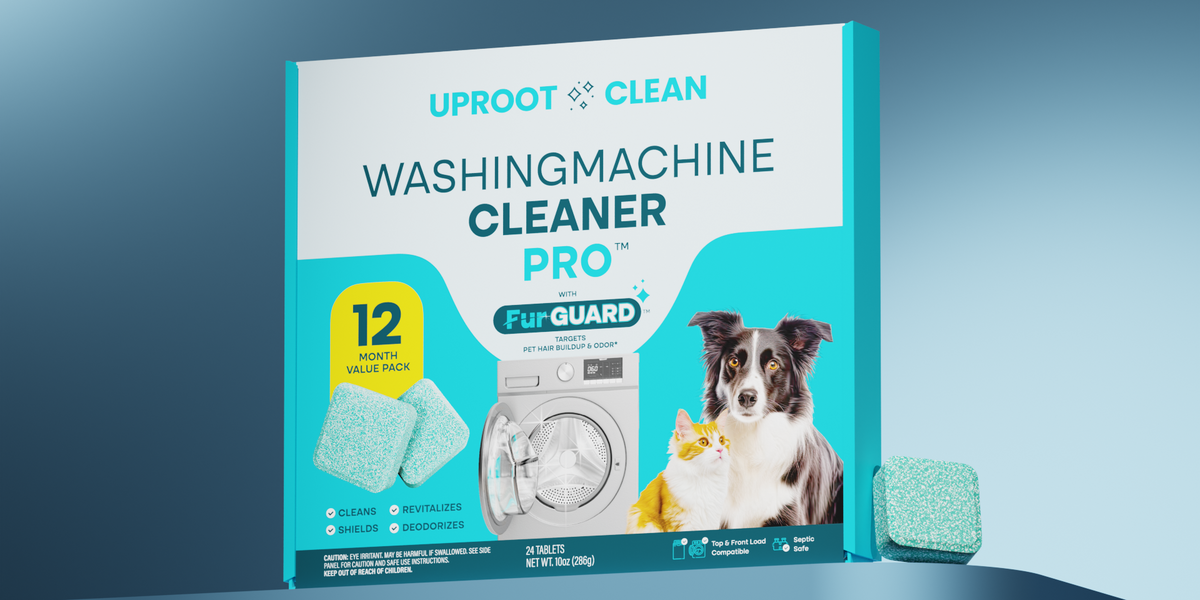
Uproot Washing Machine Cleaner Pro is marketed to address detergent, fabric softener and fabric residue, as well as pet-household laundry concerns. Uproot states that its product is compatible with front and top load washers, including HE models. Uproot's guide to washer odor and build-up links the use of its tablets with the other cleaning tasks around the washer.
Uproot directs users to place one tablet in an empty drum, run a Normal/Hot Water or Clean Washer cycle, and wipe away buildup afterward. The tablets should be used every two weeks, or when musty odors occur. Homeowners are directed to check their washer manual for approved cleaners and cycle instructions.
These are the manufacturer’s stated uses and directions. They do not establish that the tablets will resolve every odor or correct a drainage fault.
How to Clean a Smelly Washing Machine
All laundry and debris should be removed prior to starting a cleaning cycle. Cleaner placement and dose should follow the instructions on the package. Uproot’s tablet should go in the drum, not the detergent compartment; other products may vary.
The gasket and detergent dispenser require separate cleaning. A cloth can collect some hair and lint from the gasket. Removable drawer parts should be taken out and cleaned according to the manual. Parts should not be pried out, and improvised mixtures of cleaners should not be used.
If the washer has an owner-serviceable drain filter, the instructions for its cleaning should be followed. This may include turning off and unplugging the washer and following the manual to drain residual water before opening the filter.
After the cleaning cycle, any residue remaining on the washer should be wiped away, as directed. If the manual suggests leaving the door or dispenser ajar to air dry, children and pets should not be allowed near the washer.
Adjusting the Laundry Routine to Reduce Odor
The amount of detergent used deserves a second look. Whirlpool explains that too much can cause oversudsing and poor rinsing. Its recommendation is to follow the detergent label based on the load size and soil level, and to use HE detergent with high-efficiency machines.
A more concentrated detergent may require adjusting the dosing amount. Automatic dispensers also may need the correct concentration setting. Therefore, using additional detergent to address a musty washer can actually create a rinsing issue.
A recurring, scheduled reminder is one way to ensure the recommended maintenance is performed. Recording the last maintenance date can also serve as a reference when a smell returns.
If odor remains after the recommended maintenance, especially alongside poor drainage, it is appropriate to seek service or troubleshooting information from the appliance manufacturer. Explaining what was cleaned and whether water remains in the drum may give support staff a better place to start than repeatedly using a cleaning tablet without checking the cause.

(0) comments
We welcome your comments
Log In
Post a comment as Guest
Keep it Clean. Please avoid obscene, vulgar, lewd, racist or sexually-oriented language.
PLEASE TURN OFF YOUR CAPS LOCK.
Don't Threaten. Threats of harming another person will not be tolerated.
Be Truthful. Don't knowingly lie about anyone or anything.
Be Nice. No racism, sexism or any sort of -ism that is degrading to another person.
Be Proactive. Use the 'Report' link on each comment to let us know of abusive posts.
Share with Us. We'd love to hear eyewitness accounts, the history behind an article.