

The hard part of a move is rarely the truck or the closing date. It is the overlap: boxes arriving before a home is ready, furniture waiting while repairs finish, and valuable items needing a safe place that does not create more work later. That is where storage stops being an afterthought and starts acting like a control point.
For homeowners, landlords, and property managers, a well-run storage plan can reduce clutter, protect belongings, and buy time when schedules slip. Used badly, though, it becomes another source of friction: missing labels, damp boxes, poor access, and unnecessary liability. The difference is execution, not just space.
That is why the best storage decisions are usually made before the pressure peaks. When people think ahead about what stays at home, what gets packed away, and what needs special handling, the rest of the process tends to move more smoothly. The result is less scrambling, fewer duplicate purchases, and a better chance that important items remain in usable condition.
When storage is treated as a utility, not a dumping ground
A storage unit is often easiest to justify when life is already moving fast. A family downsizing needs a place for furniture while staging the house. A landlord needs to clear out items before maintenance or turnover. A homeowner wants seasonal equipment and keepsakes out of the way without risking damage in the garage or attic.
The practical value is continuity. Storage can keep a move from stalling, help a property stay show-ready, and prevent fragile or high-value items from being packed into unsafe corners of a house. It also creates breathing room for decision-making. That matters because rushed choices are where things get lost, damaged, or thrown away before anyone has a full picture.
It can also reduce the stress that comes from living between two phases. A household in transition often needs some rooms to look settled even while the rest of the home is in boxes. A property team may need a clean, open space to complete work without navigating piles of furniture or personal items. Storage gives both sides a place to separate the temporary from the permanent.
For valuables, the benefit is especially clear. Items like family photos, artwork, collectibles, documents, or heirlooms can be packed in a more controlled way than they might be during a rushed move or a crowded renovation. That does not eliminate risk, but it lowers the odds of scratches, moisture damage, and accidental loss.
A cleaner way to use storage during moves and maintenance
The goal is not to store more. The goal is to keep the next phase of the move, refresh, or handoff from getting messy. A simple process works better than improvising each time a box appears.
Good planning starts with knowing how long items will stay out of circulation. A few weeks calls for a different setup than several months. Short-term storage often favors easy access, while longer storage makes organization, moisture control, and security more important. That distinction helps prevent overspending on features that do not match the actual need.
Condition matters just as much as logistics. Furniture should be cleaned before being wrapped, electronics should be packed with cords and parts together, and fabric items should be stored dry and sealed well enough to avoid musty odors. Paper records, photographs, and collectibles need even more care because they are sensitive to temperature swings, dust, and bending.
Access is another overlooked detail. If contractors, family members, or staff may need to retrieve items, the layout should support fast identification. A unit that is packed floor to ceiling without a system may look efficient on move-in day, but it quickly becomes frustrating when something important is needed later.
Finally, there is a practical safety issue. Heavy items should sit low, breakables should not be crushed, and any items with sharp edges should be marked clearly. That helps protect people during loading and unloading and keeps the contents in better shape over time.
- Sort by timing, not emotion. Separate items into what must stay accessible, what can wait for a few weeks, and what should be discarded or donated now. This prevents the unit from filling with low-value clutter that creates more work later.
- Pack for retrieval. Label every box on two sides, keep a short inventory, and place frequently needed items near the front. For valuables, use sturdy containers, moisture protection, and clear handling notes. A rushed packing job tends to cost more than the storage itself.
- Match the space to the use case. For a short move overlap, convenience may matter most. For longer storage, condition control, security, and consistency matter more. If the property is under active management, make sure access schedules and staffing patterns do not create friction for contractors or tenants.
What good storage really buys a household or property team
The best storage decisions are rarely dramatic. They simply remove weak points. A family can stage a home without living around stacked furniture. A manager can clear a unit or suite without losing track of what belongs where. A homeowner can protect seasonal items and valuables without turning closets into overflow zones. It is a small operational win that reduces stress in a lot of other places. This is where the difference becomes clear between average options and self storage for property management that actually work long term.
There is also a continuity benefit that is easy to miss. When storage is organized, people make clearer decisions, vendors work faster, and ownership over belongings stays visible. That reduces liability, limits confusion, and lowers the odds that something important gets buried under the wrong box at the wrong time.
To get that benefit in practice, the process needs a few basic habits. Keep a written list of what is stored, take photos of valuable or fragile items before packing them, and group belongings by category instead of dropping them in wherever there is room. Small habits like these make retrieval easier and help avoid disputes later, especially when several people are involved in the move or turnover.
It also helps to think about the path items will take back out. If furniture is likely to go into a renovated room, make sure it is wrapped in a way that can be removed quickly. If documents will be needed for taxes, estate work, or insurance, keep them separate from the rest of the load. Planning for the return trip is often what makes storage truly useful.
Storage works best when it is managed like part of the plan
Home organization, relocation planning, and the safe handling of valuables all depend on the same discipline: know what you are storing, why it is there, and when it needs to move again. Without that, storage becomes a parking lot for postponed decisions.
Used well, it gives households and property operators room to work with less friction. Used carelessly, it becomes another hidden expense and another source of delay. The practical difference is not size. It is accountability.
That accountability matters because storage is often tied to bigger financial and emotional choices. A family may be deciding whether to keep, sell, or pass down certain belongings. A landlord may be balancing turnover speed against the condition of the unit. A homeowner may be trying to preserve items that cannot be replaced. In each case, the space itself is only part of the solution. The process around it determines whether the items remain protected and useful.
When people approach storage with that mindset, they usually make better decisions across the board. They buy fewer duplicate containers, lose fewer items, and waste less time searching through boxes. More importantly, they keep the transition organized enough to finish it well, which is often the real goal.
The part of a move that usually gets underestimated
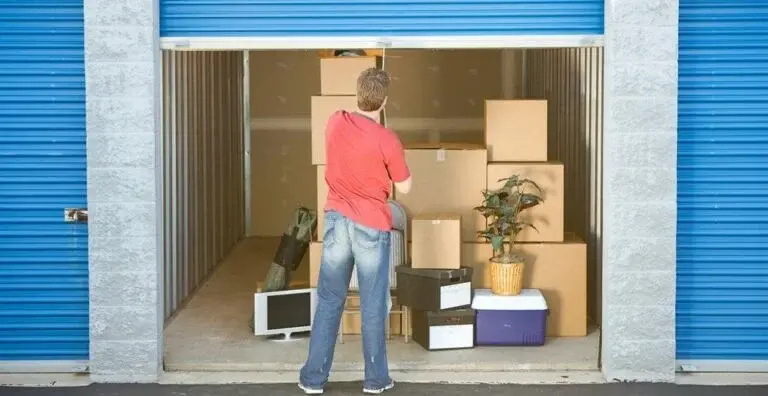
The hard part of a move is rarely the truck or the closing date. It is the overlap: boxes arriving before a home is ready, furniture waiting while repairs finish, and valuable items needing a safe place that does not create more work later. That is where storage stops being an afterthought and starts acting like a control point.
For homeowners, landlords, and property managers, a well-run storage plan can reduce clutter, protect belongings, and buy time when schedules slip. Used badly, though, it becomes another source of friction: missing labels, damp boxes, poor access, and unnecessary liability. The difference is execution, not just space.


(0) comments
We welcome your comments
Log In
Post a comment as Guest
Keep it Clean. Please avoid obscene, vulgar, lewd, racist or sexually-oriented language.
PLEASE TURN OFF YOUR CAPS LOCK.
Don't Threaten. Threats of harming another person will not be tolerated.
Be Truthful. Don't knowingly lie about anyone or anything.
Be Nice. No racism, sexism or any sort of -ism that is degrading to another person.
Be Proactive. Use the 'Report' link on each comment to let us know of abusive posts.
Share with Us. We'd love to hear eyewitness accounts, the history behind an article.