
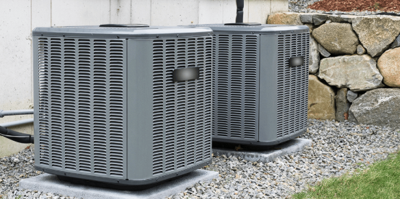

Every home leans on two quiet workhorses: the air conditioner and the furnace. Both systems age slowly, often hiding minor faults until a larger failure forces the issue. Spotting early warning signs helps homeowners sidestep emergency breakdowns, runaway utility bills, and rooms that never feel quite right. This guide walks through seven honest indicators that a full replacement makes more sense than paying for yet another repair.
1. Age of the System Has Crossed the Expected Lifespan
A typical central air conditioner performs well for 12 to 15 years, and most furnaces deliver steady service for 15 to 20 years. Once a unit edges past that window, efficiency slides, internal parts wear out faster than they can be repaired, and manufacturers often discontinue replacement components, which drives up the cost of even small repairs.
Households depending on aging heating and cooling equipment, particularly those shopping for a dependable AC and furnace in St. Louis, should weigh years of rising service costs against a single modern, energy-efficient upgrade. Planning ahead of total failure prevents mid-July or mid-January emergencies and brings better humidity balance into the home year-round.
2. Energy Bills Keep Climbing Without Explanation
A steady jump in monthly utility costs often traces back to worn-out equipment. As components fatigue, motors pull extra electricity, and gas burners work harder to reach the same temperature.
If cooling and heating charges have risen by 20 percent or more compared with prior seasons, the system is almost certainly running far below its factory-rated efficiency. New units with improved SEER2 and AFUE ratings typically recoup the lost value within a few years, especially when following established heating and cooling energy-efficiency guidelines.
3. Frequent Breakdowns and Costly Repairs
Routine maintenance is part of owning any HVAC system, but repeated service visits hint at something deeper. A reliable benchmark: if a single repair costs more than half the price of a new unit, replacement wins the math.
Repair Red Flags
- Compressor failure on older cooling systems
- A cracked heat exchanger inside the furnace
- Refrigerant leaks that return after every recharge
- Blower motor or ignition faults showing up in the same calendar year
These problems rarely travel alone. Fixing one often uncovers another, and the bills quickly pile up.
4. Uneven Temperatures Across Rooms
Noticeable hot and cold spots around the house usually indicate equipment that can no longer deliver conditioned air where it belongs. Ductwork plays a role, yet tired blowers, weakening capacitors, and fading compressors carry much of the blame.
When certain bedrooms stay stuffy during summer or refuse to warm up in winter, regardless of thermostat settings, the system has likely lost the muscle to handle the full square footage.
5. Strange Sounds and Unusual Odors
Healthy HVAC gear hums softly in the background. Banging, rattling, grinding, or high-pitched squeals usually reveal loose hardware, failing bearings, or a motor on its last legs.
Smells tell an equally clear story. A musty scent hints at mold growth inside the cabinet, while a burnt odor suggests electrical trouble. Any sulfur-like smell near the furnace calls for an immediate shutdown, as it may indicate a gas leak or a cracked heat exchanger.
6. Poor Indoor Air Quality and Humidity Issues
A properly sized AC pulls moisture from the air as it cools, holding indoor humidity between 30 and 50 percent. A struggling compressor leaves rooms feeling sticky even after long cycles. On the heating side, an older furnace may recirculate dust, dry out the air, or release trace amounts of carbon monoxide into living spaces.
Signs Worth Watching
- Dust settles back on surfaces within a day
- Allergy symptoms flaring up indoors
- Heavy condensation on windows during cold months
- Musty odors drifting from basements or closets
Pairing any replacement project with a fresh filter setup and a duct inspection delivers the cleanest indoor results.
7. The System Still Uses Outdated Refrigerant
Older air conditioners still run on R-22 refrigerant, which has been phased out across the United States since 2020. Recharging one of these systems has grown steeply expensive, and available supplies continue to shrink each year.
Newer units rely on R-410A or the more recent R-454B, both far easier on the environment. Upgrading ends any reliance on scarce chemicals and keeps the home aligned with current EPA rules. Homeowners also gain quieter performance, smart thermostat compatibility, and stronger manufacturer warranties that safeguard the investment for a decade or longer.
Heating and cooling equipment rarely quits without dropping hints first. Climbing bills, repeat service calls, uneven comfort, odd noises, and outdated refrigerant all lean toward replacement rather than one more patch. Acting on these clues early protects the budget, improves indoor air, and restores steady comfort across every season. A well-timed upgrade keeps a household ready for whatever weather arrives next without the stress of a sudden failure.

(0) comments
We welcome your comments
Log In
Post a comment as Guest
Keep it Clean. Please avoid obscene, vulgar, lewd, racist or sexually-oriented language.
PLEASE TURN OFF YOUR CAPS LOCK.
Don't Threaten. Threats of harming another person will not be tolerated.
Be Truthful. Don't knowingly lie about anyone or anything.
Be Nice. No racism, sexism or any sort of -ism that is degrading to another person.
Be Proactive. Use the 'Report' link on each comment to let us know of abusive posts.
Share with Us. We'd love to hear eyewitness accounts, the history behind an article.