
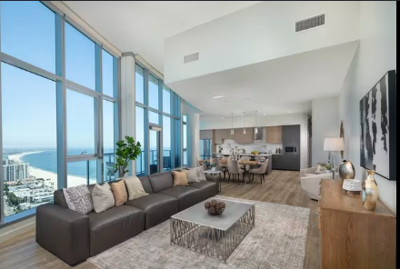

When we envision the ultimate Southern California luxury home in 2026, the mind immediately drifts to sprawling open-concept kitchens, zero-edge pools overlooking the Pacific, and fully integrated smart-home automation. In the highly sought-after neighborhoods of Long Beach, homeowners spare no expense optimizing their living spaces for comfort, aesthetics, and entertainment. However, amidst the Italian marble countertops and circadian lighting systems, there is a glaring blind spot in the modern luxury blueprint. We invest heavily in protecting our property, yet we consistently overlook the ultimate biological safety upgrade required to protect the people living inside it. Today, the most crucial home improvement project you can undertake doesn't require a contractor; it requires acquiring the physical skills to save a life.
Long Beach is a city defined by its relationship with the water and its distinct, beautiful neighborhoods. From the historic, architectural masterpieces in Bixby Knolls to the waterfront estates lining the canals of Naples Island and the modern coastal builds in Belmont Shore, the standard of living here is exceptional. In 2026, high-end real estate isn't just about square footage; it is about creating a holistic, self-sustaining sanctuary.
We install medical-grade HEPA air filtration systems, whole-home water purifiers, and advanced security perimeters. We build spaces designed to extend our longevity and enhance our daily wellness. But despite this intense focus on optimizing our physical environment, we frequently neglect the human element. If a medical emergency occurs within the walls of your meticulously designed estate, no amount of smart technology can perform chest compressions. This stark reality is driving a new trend among discerning Southern California homeowners: the prioritization of CPR certification Long Beach as an essential component of household management.
The Aquatic Risk: Securing Your Backyard Oasis
For many Long Beach residents, the backyard pool is the centerpiece of the home. Whether it is a sleek lap pool for morning workouts or a sprawling resort-style oasis for weekend entertaining, water is a constant presence. But with the prestige of a private pool comes an immense, non-negotiable responsibility.
Drowning is uniquely terrifying because it is silent. It does not look like the dramatic splashing and yelling depicted in Hollywood movies; it is a rapid, quiet physiological shutdown. Even in a supervised environment during a crowded summer barbecue, a child or an adult can slip beneath the surface unnoticed in seconds.
In 2026, relying solely on pool fences and high-tech immersion alarms is considered an incomplete safety strategy. True preparedness requires the human ability to intervene. CPR certification specifically teaches the critical protocols for aquatic emergencies, emphasizing the absolute necessity of rescue breaths to force oxygen back into water-filled lungs—a distinct difference from the "hands-only" CPR often taught for adult cardiac arrest. For Long Beach homeowners with pools, spas, or private docks on the Naples canals, ensuring that every adult and teenager in the household is CPR certified is the ultimate, non-negotiable luxury upgrade.
The Home Wellness Center: High-Performance Hazards
The home gym has evolved dramatically over the last few years. The luxury homes of Long Beach no longer feature just a solitary treadmill in a spare bedroom. Today, we build comprehensive "Wellness Centers" equipped with connected strength-training machines, Peloton bikes, infrared saunas, and plunge pools for cold water therapy.
While these spaces are designed to maximize cardiovascular health and athletic recovery, they also push the human body to its absolute physiological limits. The extreme temperature shifts of moving from an infrared sauna to a 40-degree cold plunge place immense stress on the heart and the vascular system. Similarly, high-intensity interval training (HIIT) can trigger sudden, severe cardiac events, even in individuals who appear to be in peak physical condition.
If a sudden cardiovascular event—such as a heart attack or an exercise-induced arrhythmia—strikes while you or a loved one is training in the isolation of a soundproofed home gym, the response must be immediate. Waiting for emergency medical services to navigate Pacific Coast Highway traffic is a gamble you cannot afford to take. By acquiring CPR certification, you effectively turn your home gym into a fully supported athletic facility, ensuring that the space designed to improve your life never becomes the site of an irreversible tragedy.
The Multi-Generational Estate: Preparing for the Unpredictable
A significant trend in 2026 Long Beach real estate is the rise of the multi-generational home. Many estates are being retrofitted or custom-built with detached Accessory Dwelling Units (ADUs) or private first-floor suites specifically designed to accommodate aging parents. This allows families to keep their loved ones close while maintaining independence and dignity.
However, housing an aging parent fundamentally alters the risk profile of your property. Seniors are statistically at a significantly higher risk for sudden cardiovascular events, massive strokes, and severe choking incidents due to weakened swallowing muscles.
Comprehensive first aid and CPR training prepares the "Sandwich Generation" for these specific hazards. Training teaches you how to recognize the subtle, early warning signs of a stroke (such as sudden unilateral facial drooping or slight slurring of speech) when the window for effective medical intervention is just a few hours. It provides the mechanical confidence to clear an airway obstruction safely. For families embracing multi-generational living, this certification is the ultimate expression of familial care and proactive health management.
The AED: The New Standard for the Smart Home
When we think of smart home devices, we think of automated thermostats, voice-controlled lighting, and AI-driven security cameras. However, the most sophisticated and vital smart device you can install in a luxury home today is an Automated External Defibrillator (AED).
Modern AEDs are marvels of consumer medical technology. Designed specifically for the untrained public, these devices utilize advanced machine-learning algorithms to run a real-time electrocardiogram (ECG) the moment the pads are placed on a patient’s chest. The AI analyzes the heart's electrical output and will only charge and permit a shock if it detects a fatal, chaotic rhythm like Ventricular Fibrillation.
In high-net-worth households across Bixby Knolls and Belmont Shore, integrating an AED into the home’s safety infrastructure is becoming standard practice. However, an AED is only effective if someone is confident enough to pull it off the wall and turn it on. CPR certification strips away the fear of using medical technology, teaching homeowners how to seamlessly pair deep chest compressions with the AED's automated voice prompts to sustain life until paramedics arrive.
Blended Learning: Upgrading Your Skills on Your Schedule
The primary reason busy executives and professionals put off CPR certification is the perceived time commitment. Historically, earning a certificate meant giving up an entire precious weekend to sit in a sterile classroom environment.
In 2026, the "Blended Learning" model has completely solved this logistical problem. Leveraging modern Educational Technology (EdTech), the training is now delivered through a sophisticated hybrid approach. Homeowners can complete the theoretical components—understanding cardiac physiology, learning stroke indicators, and mastering AED protocols—online via interactive video modules and quizzes. This can be done at your own pace, from your home office, or while traveling.
Once the digital theory is completed, participants only need to attend a highly condensed, focused in-person session to verify their physical skills on Bluetooth-enabled smart manikins. This efficient, streamlined process allows Long Beach’s busiest residents to earn a fully recognized certification without disrupting their demanding schedules.
Securing Your Coastal Sanctuary
We spend millions of dollars creating the perfect home environment—a place of refuge, entertainment, and safety. But a home is ultimately defined by the people who live within its walls. As you consider your next major property upgrade, look beyond the smart appliances and the architectural landscaping.
Invest in the human hardware. By prioritizing CPR and first aid training for yourself, your family, and your domestic staff, you are closing the final, most critical gap in your household security. You are ensuring that your Long Beach sanctuary is truly equipped to protect the lives you cherish most.
If you are looking for CPR and AED training near Belmont Shore, the Bixby Knolls commercial corridor, or other areas close to the waterfront, then you may reach out to Coast2Coast First Aid/CPR - Long Beach in that area. For more info and articles like this visit: Coast2Coast First Aid
Frequently Asked Questions
1 Should I require my private nanny or domestic staff to be CPR certified?
Absolutely. It is highly recommended—and increasingly becoming the industry standard in luxury household management—that any private nannies, estate managers, or full-time domestic staff hold a valid CPR and first aid certification. When you leave your children or your aging parents in the care of your staff, you need the absolute assurance that they have the mechanical skills to handle a severe choking incident, a drowning scare, or a sudden cardiac event without hesitation.
2 Is an AED difficult to maintain in a private home environment?
No, modern AEDs are incredibly low maintenance. The devices run automatic, daily self-diagnostic tests to ensure their internal circuitry, battery life, and electrode pads are fully functional. If the device detects a low battery or expiring pads, it will emit an audible chirp or, in Wi-Fi-enabled models, send an alert directly to your smartphone. The only maintenance required by the homeowner is periodically checking the status indicator light and replacing the pads and battery every few years.
3 How often do I need to renew my Long Beach CPR certification?
In the state of California, CPR certifications issued by recognized national bodies like the American Red Cross or the American Heart Association are valid for exactly two years from the date of issue. To ensure that your physical muscle memory remains automatic and that you are up to date on the latest medical guidelines, you must take a brief recertification course before your current card expires.
4 Does the Good Samaritan Law protect me if I perform CPR in my own home on a guest?
Yes. California’s Good Samaritan Law provides broad legal protection to individuals who voluntarily provide emergency medical care in good faith, without the expectation of compensation. As long as you act reasonably, within the scope of your training, and without gross negligence, the law is designed to protect you from civil liability if your actions unintentionally cause an injury, such as breaking a rib during deep chest compressions.
5 Are online-only CPR certifications valid for a home environment?
While an online-only course might provide you with good theoretical knowledge for personal use, it does not provide a valid, nationally recognized certification. To truly be prepared and to receive an official certificate, you must demonstrate your physical mechanics (like compression depth and recoil) on a training manikin in front of a certified instructor. The "Blended Learning" model is the best of both worlds, allowing you to do the reading online but ensuring your physical skills are tested and accurate in person.

(0) comments
We welcome your comments
Log In
Post a comment as Guest
Keep it Clean. Please avoid obscene, vulgar, lewd, racist or sexually-oriented language.
PLEASE TURN OFF YOUR CAPS LOCK.
Don't Threaten. Threats of harming another person will not be tolerated.
Be Truthful. Don't knowingly lie about anyone or anything.
Be Nice. No racism, sexism or any sort of -ism that is degrading to another person.
Be Proactive. Use the 'Report' link on each comment to let us know of abusive posts.
Share with Us. We'd love to hear eyewitness accounts, the history behind an article.