
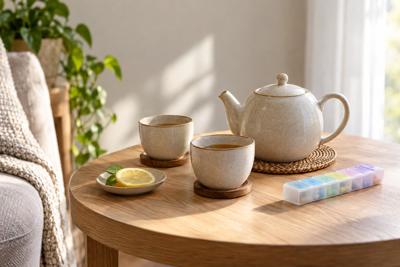

Modern independent living increasingly means having the choice to balance autonomy with personalized support. Companion care is redefining what it means to enjoy the comforts of home while maintaining your preferred routines. For those who value both privacy and seamless well-being, this specialized service is becoming an essential element of luxury living.
As expectations for comfort evolve, many homeowners discover that lasting independence requires more than an inviting residence. Integrating thoughtful solutions such as companionship for seniors offers emotional engagement and daily support while letting you remain in control of your environment. Rather than signaling dependency, this approach affirms your commitment to living well at home. When you anticipate and plan for changing needs, your chosen lifestyle and your cherished privacy can thrive together.
The evolving definition of independence
Today’s independent living goes beyond managing life alone. Choosing discreet, proactive support means deliberately shaping your experience as needs shift over time. Accepting companion care does not diminish self-reliance; in fact, it allows you to maintain your unique routines while knowing you are prepared for what’s next.
This forward-thinking perspective has gained traction with those who seek control over how and when they receive help. By enlisting companion care ahead of urgent need, you cultivate confidence and continuity, reducing anxiety for both yourself and those closest to you. Independence, in this view, is not the absence of assistance, but the freedom to design the kind of support that aligns with your life.
How companion care enhances daily life
The presence of a companion brings more to everyday living than just company. Engaging conversations, collaborative activities, and gentle reminders for daily routines can turn ordinary moments into meaningful ones. Even assistance with household tasks like light tidying and organizing helps ensure your home environment remains welcoming and peaceful.
Trained to observe subtle changes and respond to evolving needs, companion caregivers are vigilant while respecting boundaries. They not only foster emotional well-being but help reinforce timely habits, providing reassurance for clients who want to remain active, social, and comfortable within their own space.
Integrating support while upholding privacy and luxury
Effective companion care always starts with a respectful understanding of each person’s boundaries. Open discussion of daily preferences, privacy expectations, and unique household routines ensures that support feels seamless. Care Advantage was founded in 1988 in Richmond, Virginia, by nurse Debbie Johnston with a vision that quality care should be accessible in the comfort of home. After more than thirty years, this mission continues; their growing presence across Virginia and Northern North Carolina stands as testament to a deepened commitment to compassionate, dependable in-home support. As the original brand in the Care Advantage, Inc. family of brands, they strive to support you where you feel safest, surrounded by your routines, comforts, and loved ones.
In high-end households, flexible companion care adapts to each day’s flow, preserving both your preferred schedule and your sense of personal space. Services are tailored to bring reliability and discretion, so that the comforts of home and the benefits of gentle support continue together, enriching independent living without compromise.


(0) comments
We welcome your comments
Log In
Post a comment as Guest
Keep it Clean. Please avoid obscene, vulgar, lewd, racist or sexually-oriented language.
PLEASE TURN OFF YOUR CAPS LOCK.
Don't Threaten. Threats of harming another person will not be tolerated.
Be Truthful. Don't knowingly lie about anyone or anything.
Be Nice. No racism, sexism or any sort of -ism that is degrading to another person.
Be Proactive. Use the 'Report' link on each comment to let us know of abusive posts.
Share with Us. We'd love to hear eyewitness accounts, the history behind an article.