

Some destinations offer beautiful scenery, while others have a way of making visitors feel connected to their history, culture, and surroundings. Croatia manages to deliver both. Stretching along the eastern Adriatic, this Mediterranean country combines medieval coastal towns, extraordinary islands, historic architecture, vineyard-covered hillsides, and a culinary tradition deeply connected to the sea. For travelers seeking more than another European beach holiday, luxury travel in Croatia offers an appealing combination of refinement, authenticity, and discovery.
Croatia's growing appeal is reflected in Virtuoso's 2027 Luxe Report, which identifies the country among destinations gaining momentum with solo travelers. The report draws on insights from more than 3,100 luxury travel advisors across more than 50 countries, highlighting a growing interest in meaningful experiences and destinations beyond familiar favorites. Croatia is particularly well positioned to meet these expectations. Its Adriatic coastline offers beautiful scenery, while its historic towns, distinctive island communities, and relaxed approach to Mediterranean living create opportunities to experience the country at a more personal pace.
Split Where Ancient History Meets the Adriatic
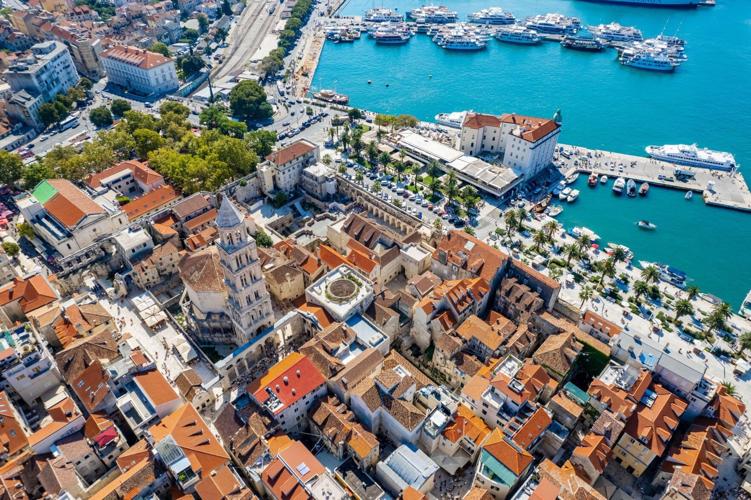
Split is an excellent place to begin exploring Croatia, particularly for travelers who appreciate architecture and history alongside contemporary coastal living. At the heart of the city stands Diocletian's Palace, a remarkable Roman complex built in the fourth century for the emperor Diocletian. Today, its ancient courtyards, stone passageways, and historic buildings are part of the city's everyday rhythm. Visitors can explore the Peristyle, admire the Cathedral of Saint Domnius, and wander through narrow streets where restaurants and small shops occupy centuries-old spaces. The nearby Riva waterfront offers another perspective, with palm trees, outdoor cafés, and views of boats moving through the harbor.
Beyond its historical attractions, Split makes a convenient base for exploring the Dalmatian Coast. Marjan Hill offers walking trails and beautiful views across the city and surrounding islands, while local markets provide an opportunity to discover regional produce and everyday Croatian life. Accommodation ranges from intimate boutique properties within the historic center to contemporary waterfront hotels. Spending two or three days in Split before moving toward the islands allows visitors to appreciate the city's character rather than treating it simply as a departure point. The official Croatia National Tourist Board offers useful destination information for planning a visit.
The Islands Worth Getting Lost On

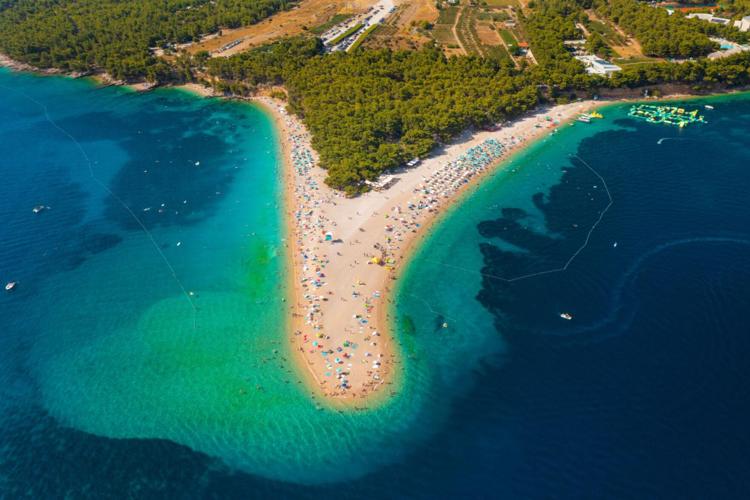
Croatia's islands are among its greatest attractions, but each has a personality of its own. Hvar is particularly appealing to travelers who enjoy beautiful harbors, stylish restaurants, historic architecture, and lively summer evenings. Its main town is known for its elegant waterfront and Renaissance landmarks, while the nearby Pakleni Islands offer secluded swimming spots and opportunities for private boat excursions. Brač provides a different atmosphere, attracting beach lovers and outdoor enthusiasts. Its celebrated Zlatni Rat beach near Bol changes shape with the movement of the sea, while the island's traditional stone villages and olive groves offer a quieter glimpse of Dalmatian life.
Vis is an appealing choice for travelers who prefer a slower, less commercial atmosphere. Once a strategically important military island, it remained closed to foreign visitors for decades, helping preserve its distinctive character. Today, its fishing villages, beautiful bays, and nearby Blue Cave make it an especially rewarding destination. Korčula, meanwhile, combines medieval architecture with a celebrated wine culture. Its historic old town is a pleasure to explore on foot, while nearby vineyards produce Pošip, a distinctive white wine made from an indigenous Croatian grape variety. Choosing two or three islands rather than attempting to visit every destination makes luxury travel in Croatia considerably more enjoyable.
The Art of Experiencing Croatia by Water
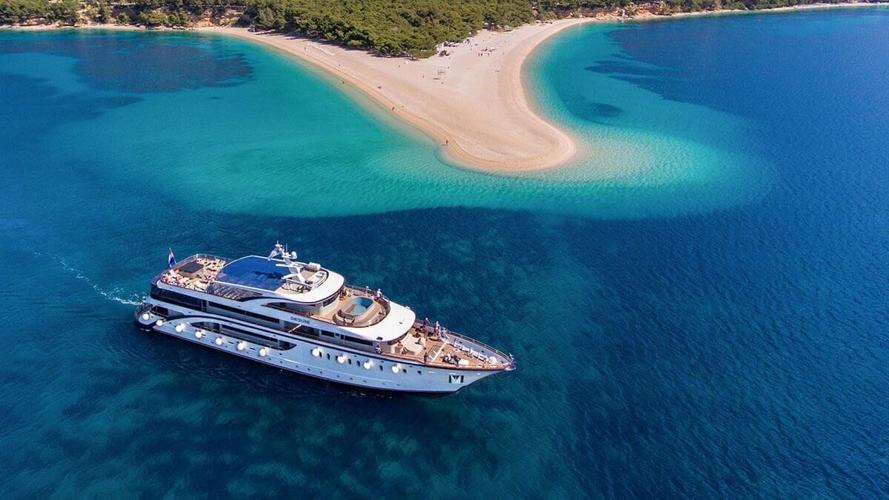
The Adriatic is central to Croatia's identity, and exploring its coastline by boat offers an entirely different perspective. Private yacht excursions allow travelers to discover sheltered coves, swim in clear waters, and visit islands at a comfortable pace. A carefully planned day might include a morning departure from Split, a leisurely swim near Brač, lunch at a traditional waterfront restaurant, and an afternoon sailing toward Hvar. For couples celebrating a special occasion or families seeking privacy, a private charter can make the journey as memorable as the destinations themselves. Experienced local skippers can also help identify quieter anchorages and navigate changing weather conditions.
An interesting development in contemporary waterfront living comes from Split-based Oasis Meu, which has introduced Watersuite, a floating residence designed to bring the privacy and comfort of a luxury villa directly onto the water. Created primarily for private ownership rather than conventional hotel stays, the concept emphasizes spending time on the water rather than constantly sailing between destinations. Its original Watersuite, AMOR, is already on the water in Split, while the next-generation AMOR II is currently in production. Featuring panoramic glazing, two decks, and private outdoor living spaces, the design offers an intriguing example of how contemporary architecture is finding new ways to connect with Croatia's maritime heritage
A Culinary Journey Beyond the Tourist Menu

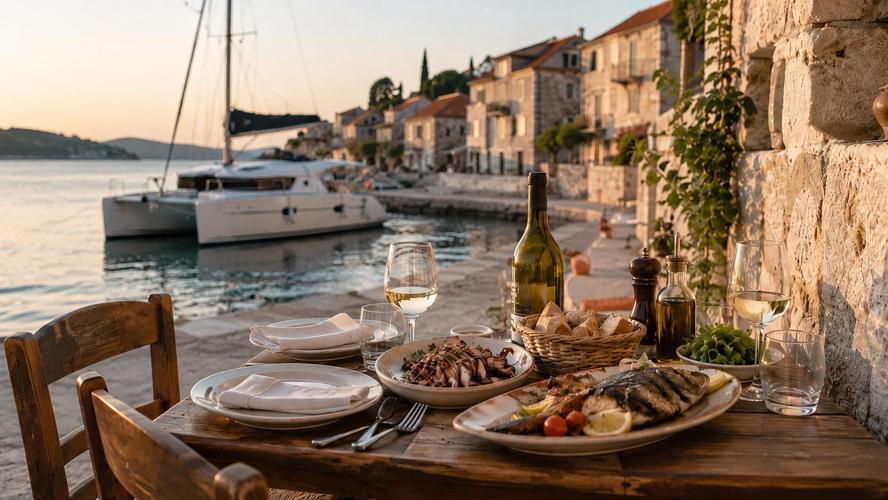
Croatian cuisine deserves a place among the country's greatest attractions. Along the Dalmatian Coast, meals are shaped by fresh Adriatic seafood, locally produced olive oil, seasonal vegetables, and traditional recipes passed between generations. Grilled fish served with Swiss chard and potatoes is a regional favorite, while black risotto made with cuttlefish ink offers a more distinctive introduction to local cooking. Another specialty worth seeking out is peka, a traditional preparation in which meat, seafood, and vegetables are slowly cooked beneath a bell-shaped lid covered with hot embers. Because the process takes time, it is often necessary to order peaks in advance at traditional restaurants known as konobas.
Wine lovers will find plenty to appreciate, particularly around Korčula and the Pelješac Peninsula. Pošip is a celebrated indigenous white grape, while Plavac Mali produces some of Dalmatia's most recognized red wines. The Pelješac region is also known for its vineyards and celebrated wine-growing areas such as Dingač. Further south, the town of Ston is famous for its oysters, which have been cultivated in the surrounding waters for centuries. Seeking out family-run wineries, local producers, and restaurants that emphasize seasonal ingredients can make a culinary journey especially rewarding. For anyone who appreciates food as an expression of place, luxury travel in Croatia offers discoveries well beyond the familiar Mediterranean menu.
Beyond the Coastline
Although the islands and beaches are compelling reasons to visit, Croatia's inland attractions deserve equal consideration. Dubrovnik is an essential stop for first-time visitors, with its remarkable medieval walls, limestone streets, historic churches, and picturesque harbor. Walking the city walls offers spectacular views over terracotta rooftops and the Adriatic, although an early morning visit is preferable during the busy summer months. Beyond the historic center, the nearby Konavle countryside introduces visitors to traditional villages, vineyards, and a quieter side of southern Croatia.
Nature lovers should also consider Plitvice Lakes National Park, a UNESCO World Heritage Site celebrated for its interconnected lakes, waterfalls, and forested landscapes. Wooden walkways and designated trails provide access to some of the park's most beautiful scenery, with spring and autumn offering particularly attractive conditions for exploration. Another worthwhile addition is Trogir, a historic coastal town known for its remarkable Romanesque and Renaissance architecture. Travelers with additional time can venture toward the Istrian Peninsula, where hilltop villages, truffle-producing countryside, olive oil estates, and regional wines introduce another dimension of Croatian culture. Extending an itinerary beyond the coastline creates a more complete understanding of the country.
When to Visit Croatia and How to Travel Well

Timing can make a considerable difference to a Croatian holiday. July and August bring the liveliest atmosphere, warm swimming conditions, and the greatest number of visitors, particularly around Split, Dubrovnik, and Hvar. Travelers who prefer a more relaxed experience should consider May, June, September, or early October. These shoulder-season months often provide pleasant sightseeing weather and fewer crowds, allowing visitors to enjoy historic attractions and waterfront restaurants at a more comfortable pace. However, some island services, excursions, and seasonal establishments operate on reduced schedules outside the summer peak, so checking availability before departure is important.
Transportation also deserves thoughtful planning. Split and Dubrovnik serve as useful gateways, while ferries and passenger catamarans connect many of the major islands. Operators such as Jadrolinija publish schedules that should be checked before finalizing accommodation and island-hopping arrangements. Travelers bringing rental cars should confirm whether their chosen ferry accepts vehicles and allow additional time during busy periods. Private transfers and prearranged boat excursions can simplify connections, particularly for travelers with limited time. FINE's coverage of exclusive European island escapes offers further inspiration for those considering a more personalized coastal itinerary.
The FINE Take
Perhaps Croatia's greatest appeal is the way it brings together different experiences without making a holiday feel overly complicated. One morning might begin with a walk through Roman architecture in Split, followed by an afternoon swimming in a secluded Adriatic bay. Another day could involve discovering a family winery on Korčula or enjoying freshly harvested oysters near Ston. There is history for curious travelers, remarkable scenery for nature enthusiasts, and a culinary culture that rewards those willing to explore beyond familiar restaurants. The appeal of luxury travel in Croatia lies in experiencing these pleasures at a comfortable pace, with enough time to appreciate the details.
For FINE readers considering their next international adventure, Croatia deserves more than a passing mention on a Mediterranean itinerary. Its islands offer distinctive personalities, its historic cities preserve extraordinary stories, and its relationship with the sea continues to inspire new ways of experiencing the coast. Whether the journey involves a boutique stay in Split, a private yacht excursion, or a leisurely exploration of vineyards and countryside, Croatia offers a rewarding balance of culture, comfort, and discovery. Some destinations are remembered for their grand attractions. Croatia is likely to stay with you for the smaller moments too, including a beautiful harbor at sunset, an exceptional meal shared with friends, and the feeling that there is still another island worth discovering.

(0) comments
We welcome your comments
Log In
Post a comment as Guest
Keep it Clean. Please avoid obscene, vulgar, lewd, racist or sexually-oriented language.
PLEASE TURN OFF YOUR CAPS LOCK.
Don't Threaten. Threats of harming another person will not be tolerated.
Be Truthful. Don't knowingly lie about anyone or anything.
Be Nice. No racism, sexism or any sort of -ism that is degrading to another person.
Be Proactive. Use the 'Report' link on each comment to let us know of abusive posts.
Share with Us. We'd love to hear eyewitness accounts, the history behind an article.