

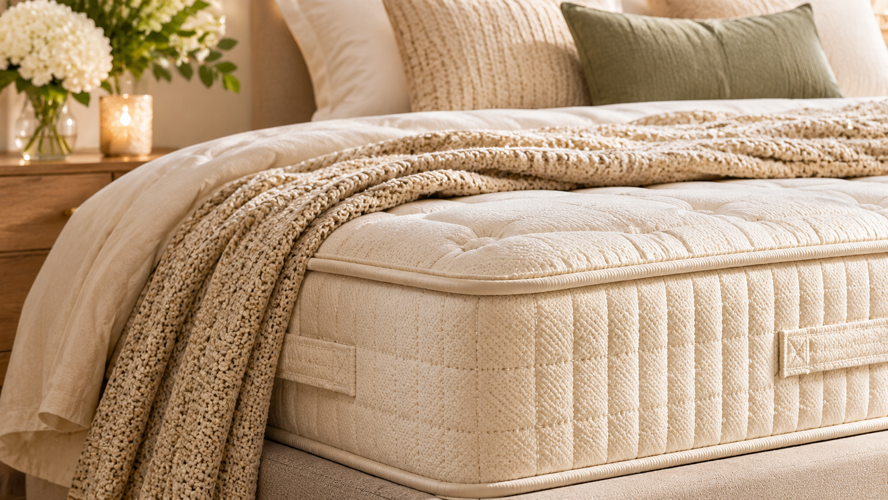

A $2,500 mattress can sound extravagant—until you divide the cost across years of sleep. But “natural latex” on the label does not automatically mean a mattress is better, more comfortable, or even mostly latex. The material has a strong reputation for resilience, responsiveness, and durability, but whether it justifies the higher price depends on its construction, your sleeping preferences, and what the manufacturer actually puts inside it.
Natural latex mattresses appeal to shoppers who want an alternative to conventional memory foam and are willing to invest in a different kind of comfort. Some offer customizable layers, natural-material covers, and independently verified certifications. Others use blends or combine latex with other foams. Before spending several thousand dollars, it helps to understand what you are paying for—and which details genuinely matter.
Are Natural Latex Mattresses Really Worth the Higher Price?
Natural latex is made from the milky sap of rubber trees, which is processed into a resilient foam. Compared with many conventional foam mattresses, it tends to have a buoyant feel: the surface responds quickly when you move rather than slowly conforming around your body. Quality latex can also retain its shape well over time, which helps explain its appeal in the premium mattress market.
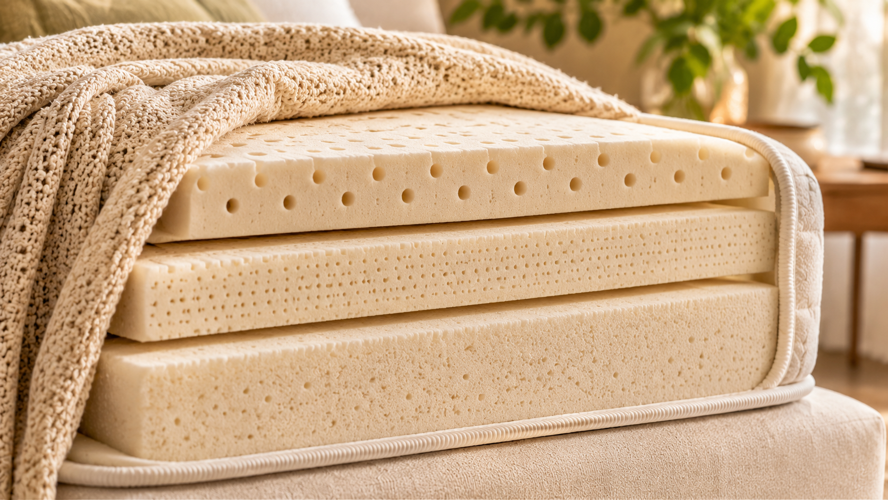
The price, however, reflects more than the word “natural.” Latex sourcing, processing, layer thickness, construction, organic textile components, and manufacturing all influence cost. A useful example is the Avocado Organic Latex Mattress, a nine-inch all-latex model combining GOLS-certified organic Dunlop latex with FSC-certified Pure Talalay latex. Its finished mattress is also GOTS-certified. This is the kind of construction detail worth examining: not simply whether a mattress contains latex, but how much it contains and how its layers are identified.
Natural Latex vs. Memory Foam – Which Is More Comfortable?

The main difference is how the materials respond to pressure. Memory foam is designed to contour closely around the body, creating a slower, more enveloping sensation. Latex generally feels more springy and responsive. It compresses under pressure but recovers quickly, making it easier to change positions without feeling as though you are sinking deeply into the mattress.
Neither material is universally more comfortable. People who enjoy a close, cradling sensation may prefer memory foam, while those who want a more buoyant surface may appreciate latex. Latex can still provide pressure relief, but the amount depends on firmness, layer thickness, and the sleeper’s body weight and position. If possible, compare both materials in person or choose a retailer with a meaningful home trial.
Do Natural Latex Mattresses Sleep Cooler?
Latex is often chosen by people who dislike the heat retention they associate with some memory foam mattresses. Its resilient structure and the way it is manufactured can allow air to move through the material. Perforations, mattress construction, and the surrounding cover materials also influence how warm a bed feels.
Still, no mattress material guarantees a cool night’s sleep. A thick comfort layer, dense upholstery, synthetic bedding, room temperature, and individual sleeping habits can all affect heat. Look at the complete construction rather than relying on a “cooling” label. Natural wool and breathable cotton covers may contribute to moisture management, but they do not make every latex mattress temperature-neutral.
How Long Does a Natural Latex Mattress Actually Last?
Latex has a reputation for durability, and the Sleep Foundation estimates an average lifespan of approximately 7.5 to 8.5 years for latex mattresses. This is a useful comparison point, not a guarantee. Actual lifespan depends on latex density and quality, mattress construction, the sleeper’s weight, how frequently the bed is used, and whether it is supported by an appropriate foundation.
A longer expected lifespan can make a higher initial price easier to evaluate. However, a premium mattress is not automatically a better investment if it does not suit your body or becomes uncomfortable. Check the warranty for the specific conditions that qualify as defects, the required foundation, and whether coverage is prorated. A long warranty should not be mistaken for a promise that the mattress will feel the same for its entire term.
Dunlop vs. Talalay Latex – What’s the Difference?

Dunlop and Talalay are two manufacturing processes used to produce latex foam. Dunlop latex is made by pouring the latex mixture into a mold and allowing it to set. It is commonly associated with a denser, more substantial feel and is frequently used in support layers. Talalay involves additional steps, including vacuum expansion and freezing before vulcanization, producing a more uniform foam structure that is often described as lighter and more buoyant.
These differences can influence how a mattress feels, but neither process is automatically superior. Some mattresses use Dunlop throughout, while others combine Dunlop support layers with Talalay comfort layers. Avocado, for example, identifies its Dunlop layer as GOLS-certified organic and its Talalay layer as FSC-certified. The distinction matters: a certification for one layer should not be assumed to apply to every material in the mattress.
Which Latex Mattress Is Best for Your Sleeping Position?
Side sleepers often need enough cushioning around the shoulders and hips to reduce pressure, so a softer or medium-feel latex mattress may be worth considering. Back sleepers commonly prefer a balance between surface comfort and support, while stomach sleepers may find a firmer surface more suitable. These are starting points rather than strict rules; body weight, mattress construction, and personal comfort all influence the right choice.
A customizable mattress can be useful when preferences are difficult to predict. The SleepEZ Organic Latex Mattress allows shoppers to select individual layer firmness and choose between natural Talalay and GOLS-certified Dunlop latex. Its adjustable configuration can also be helpful for couples with different preferences. Another option is the PlushBeds Botanical Bliss Organic Latex Mattress, which is offered in multiple thicknesses and firmness configurations, including medium and medium-firm options. Its layered design gives shoppers another all-latex construction to compare, although the precise materials and layer arrangement vary by model height.
Natural, Organic, or Synthetic Latex – What Are You Really Buying?
The words natural, organic, and synthetic are not interchangeable. Natural latex is made using rubber tree sap, while synthetic latex is manufactured from petrochemical-based materials. Blended latex combines natural and synthetic components. Product descriptions should make these distinctions clear, but shoppers should look beyond broad marketing language and ask for the material breakdown.
Certifications can help, provided you understand their scope. The Global Organic Latex Standard (GOLS) applies to organic latex material and its certified processing and supply chain. The Global Organic Textile Standard (GOTS) applies to qualifying organic textile products and their processing; eligible finished products, including mattresses, may be certified as a whole when they meet the standard. It can also apply to qualifying textile components, so check exactly what a manufacturer’s certificate covers. GREENGUARD Gold is different: it evaluates chemical emissions and sets low-emission requirements to support indoor air quality. It does not mean a mattress is organic. For example, Avocado identifies its Dunlop latex as GOLS-certified organic, its Talalay latex as FSC-certified, and its finished mattress as GOTS-certified. These are distinct claims, not interchangeable labels.
What Are the Disadvantages of Latex Mattresses?

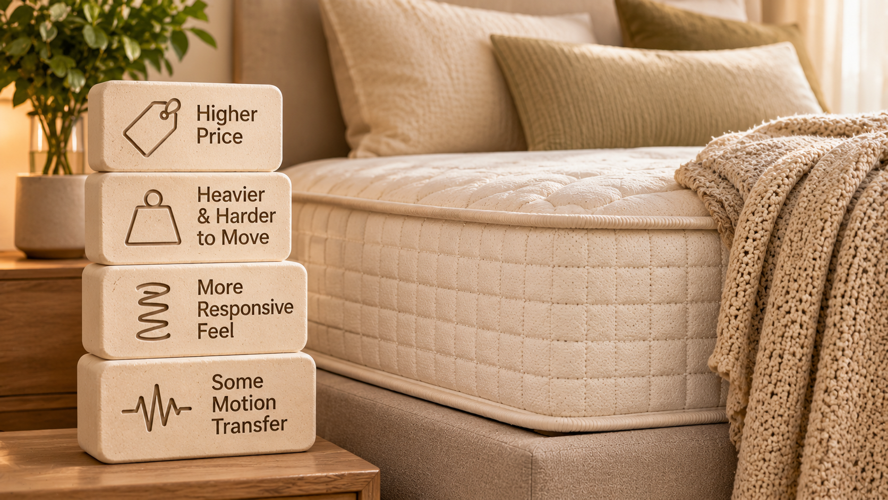
The most obvious drawback is price. All-latex mattresses can cost substantially more than many memory foam or hybrid options, particularly when they use certified organic materials and multiple latex layers. Their weight can also make moving, rotating, or setting up the mattress more difficult. Some sleepers dislike latex’s buoyant feel, especially if they prefer the deep contouring of memory foam.
There are other considerations. Latex may still transfer some movement, depending on the mattress construction, and a firm model may not provide enough pressure relief for every side sleeper. Natural rubber latex can also be a concern for people with latex allergies, so anyone with a known sensitivity should discuss the materials and level of exposure with a medical professional before purchasing. A trial period is particularly valuable when the feel is unfamiliar.
What Should You Look for Before Buying a Latex Mattress?
A little research can prevent an expensive mismatch. Start by requesting a full layer breakdown: the type of latex, its thickness, whether it is natural or blended, and what materials make up the support core and cover. Compare firmness options and ask whether the mattress is designed for your preferred sleeping position.
Before placing an order, check a few important details:
- Materials: Confirm the latex percentage and the materials used in every layer.
- Firmness: Compare options and test the feel in your normal sleeping position.
- Certifications: Verify the certificate holder, product scope, and specific components covered.
- Sleep trial: Check the trial length, required break-in period, pickup arrangements, and return or restocking fees.
- Warranty: Read the rules for sagging, body impressions, exclusions, and prorated coverage.
- Value: Compare the final delivered price, foundation requirements, and long-term care.
For shoppers who prefer adjustable firmness, a customizable latex mattress can offer greater flexibility by allowing different firmness levels across its individual layers. This can be especially useful for couples with different comfort preferences or sleepers whose support needs vary. FINE’s guide to choosing the right mattress offers further guidance on firmness, construction, and trial policies. The important thing is to compare the terms of the specific mattress you intend to purchase rather than relying solely on the headline promises on a product page.
5 Questions to Ask Before Spending $2,000 on a Mattress
- What percentage of the mattress is natural latex, and what makes up the remaining layers?
- Does the firmness suit my sleeping position and body weight?
- How long is the sleep trial, and who pays for return shipping or collection?
- What exactly does the warranty cover, and what indentation depth qualifies as a defect?
- Are the certifications valid for the finished mattress or only for selected materials?
These questions are worth asking before paying a deposit or arranging delivery. A salesperson should be able to explain the construction and provide the relevant policy documents.
The Final Verdict – Who Should Buy a Natural Latex Mattress?
Natural latex may be worth the investment if you prefer a responsive, supportive surface, dislike the sinking sensation of memory foam, and value a durable construction. It can also appeal to shoppers who want to examine the materials in their mattress closely and are willing to pay more for a specific combination of comfort and construction.
The FINE Take
Memory foam may be the better choice if you prioritize deep contouring, pressure cushioning, and motion isolation at a lower price. A hybrid mattress may suit someone who wants a different balance of cushioning and airflow. Ultimately, the best mattress is not the most expensive or the one with the longest list of certifications. It is the one whose materials, firmness, support, and return policy make sense for the person sleeping on it.

(0) comments
We welcome your comments
Log In
Post a comment as Guest
Keep it Clean. Please avoid obscene, vulgar, lewd, racist or sexually-oriented language.
PLEASE TURN OFF YOUR CAPS LOCK.
Don't Threaten. Threats of harming another person will not be tolerated.
Be Truthful. Don't knowingly lie about anyone or anything.
Be Nice. No racism, sexism or any sort of -ism that is degrading to another person.
Be Proactive. Use the 'Report' link on each comment to let us know of abusive posts.
Share with Us. We'd love to hear eyewitness accounts, the history behind an article.