
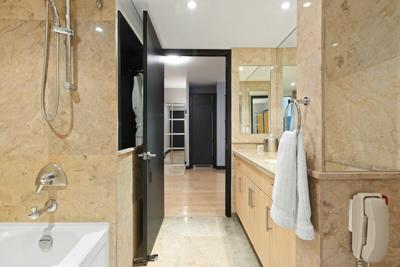

A few years ago, almost every home had a bathtub. It was standard. It was expected. But today, during a bathroom remodel, many homeowners are choosing to remove the tub completely.
Why? Because the way we live has changed.
People want bathrooms that are easy to use, easy to clean, and easy to move around in. In smaller homes and city apartments, space matters more than ever. For older homeowners, safety matters more. And for busy families, convenience wins. The traditional tub is no longer a must-have for everyone. For many, a walk-in shower simply makes more sense.
1- Maximizing Space in Smaller Bathrooms
A standard bathtub is usually about 60 inches long and 30 inches wide. That takes up a large portion of a small bathroom.
A walk-in shower can be customized. It might be 36x36 inches or shaped to fit into a corner. That flexibility helps homeowners use space more wisely. In many apartment remodels, once the tub is removed, the bathroom instantly feels larger even if the room size stays the same. Surveys show that space efficiency is one of the top reasons people choose a tub-to-shower conversion during a bathroom remodel.
When you replace a bulky tub with a glass walk-in shower, the room looks more open.
Frameless glass allows light to pass through. The flooring can continue straight into the shower area. Mirrors reflect more space instead of stopping at a shower curtain.
The result? A brighter, more modern bathroom that feels less crowded.
2- Accessibility and Safety First
Stepping over the high edge of a bathtub can be difficult, especially for older adults or anyone with knee or back issues.
Walk-in showers remove that step. Many are designed with:
Low or no curb entry
Built-in benches
Grab bars
Handheld showerheads
ADA-friendly options make it easier for people to age in place safely. Today’s designs combine accessibility with style, so the space still looks modern and spa-like.
Bathrooms are one of the most common places for slips and falls. The high edge of a tub increases that risk. Walk-in showers can include slip-resistant tile, proper drainage, and textured flooring. Water flows directly to the drain instead of pooling around your feet.
For many families, safety alone is reason enough to make the switch.
3- Design Flexibility & Modern Aesthetics
A bathtub comes in a fixed shape. A walk-in shower can be designed almost any way you like.
Homeowners now choose:
Frameless glass panels
Large-format tiles
Built-in wall niches
Rainfall showerheads
Matte black or brushed gold fixtures
Designers often turn walk-in showers into the focal point of the bathroom, creating a calm, spa-like feel.
Modern bathrooms focus on clean lines and open space. A walk-in shower fits perfectly into that style. In a bathroom remodel, replacing a tub with a sleek glass shower instantly updates the room. It photographs better for listings and often appeals to buyers who prefer modern layouts.
Simple, open, and elegant that’s what today’s homeowners want.
4- Easier Cleaning and Maintenance
Traditional tubs often have shower curtains, tight corners, and multiple caulk lines that collect mold and soap scum.
Walk-in showers can be built with:
Large tiles (fewer grout lines)
Seamless shower pans
Waterproof wall panels
Epoxy or non-porous surfaces
With fewer edges and barriers, cleaning becomes quicker and easier.
Water damage behind old tub walls can become expensive. A properly installed walk-in shower uses modern waterproofing systems that reduce that risk. Materials like porcelain tile and solid surface panels are made to handle moisture for years. That durability adds long-term value to the bathroom remodel.
5- Energy & Water Efficiency
Modern showerheads often use 1.5 to 2 gallons per minute, helping reduce water use. Thermostatic controls keep water at a steady temperature, which reduces waste.
Over time, this can lower utility bills and support eco-friendly living.
A full bath typically uses 30 to 50 gallons of water.
A 10-minute shower with a 2.0 GPM showerhead uses about 20 gallons. With a 1.5 GPM fixture, it’s closer to 15 gallons.
For many households, showers use less water than filling a tub especially when done daily.
Bonus Tip
Before removing your tub, plan carefully:
Measure the space accurately
Set a clear budget
Invest in proper waterproofing
Hire experienced contractors
Think about future accessibility
A smart bathroom remodel is not just about style. It’s about improving how your home works for you.
Embracing the Walk-In Revolution
Homeowners are switching to walk-in showers for clear reasons:
More usable space
Better safety
Modern design
Easier cleaning
Improved water efficiency
The shift is practical, not just trendy.
If you’re considering your next bathroom remodel, a walk-in shower may be the upgrade that makes your bathroom feel larger, safer, and more in tune with modern living.

(0) comments
We welcome your comments
Log In
Post a comment as Guest
Keep it Clean. Please avoid obscene, vulgar, lewd, racist or sexually-oriented language.
PLEASE TURN OFF YOUR CAPS LOCK.
Don't Threaten. Threats of harming another person will not be tolerated.
Be Truthful. Don't knowingly lie about anyone or anything.
Be Nice. No racism, sexism or any sort of -ism that is degrading to another person.
Be Proactive. Use the 'Report' link on each comment to let us know of abusive posts.
Share with Us. We'd love to hear eyewitness accounts, the history behind an article.