
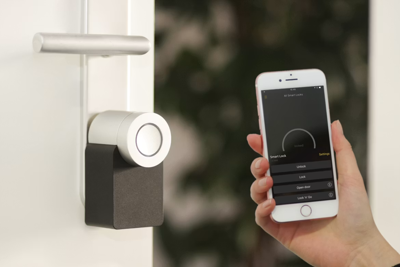

Rising energy costs have encouraged many homeowners to look more closely at how much electricity their homes use each month. Smart upgrades can help reduce unnecessary energy consumption while also making a home more comfortable, convenient, and efficient. Homeowners interested in adding residential solar power can visit smartsolarenergyco.com, where they can learn about professional solar installation services and energy solutions designed to help homes reduce their reliance on traditional electricity.
Start With a Smart Thermostat
Heating and cooling can account for a significant part of a home's overall energy use, especially when the system runs while nobody is home. A smart thermostat allows homeowners to create schedules based on their daily routines rather than keeping the temperature at the same setting all day. Many models can also be controlled remotely, making it easier to adjust heating or cooling when plans change.
Some smart thermostats can learn household habits over time and automatically make small adjustments to improve efficiency. They may also provide reports showing when the most energy is being used, which can help homeowners identify opportunities to save. These small changes can add up over the course of a year without requiring major changes to everyday comfort.
Use Smart Lighting Throughout the Home
Leaving lights on in empty rooms may seem like a small issue, but repeated energy waste can contribute to higher electricity bills. Smart lighting systems allow lights to be controlled through timers, mobile apps, motion sensors, or voice assistants. This makes it easier to ensure that lights are only being used when they are actually needed.
Switching older bulbs to energy-efficient LED lighting can make the upgrade even more effective. LEDs generally use less electricity than traditional incandescent bulbs and can last much longer before needing replacement. When combined with smart controls, efficient lighting provides a simple way to lower electricity use while maintaining a comfortable and welcoming home.
Consider Solar Power for Long-Term Savings
Some smart home improvements reduce energy consumption, while others change where the home's electricity comes from. Residential solar panels allow homeowners to generate electricity using sunlight, reducing the amount of power they need to purchase from the electrical grid. For households with suitable roofs and good sun exposure, solar can become an important part of a broader energy-saving strategy.
Before installing solar panels, homeowners should consider factors such as roof condition, available space, electricity consumption, and local weather patterns. A professional assessment can help determine the size and type of system that is appropriate for the property. Thinking about these factors early can help homeowners make an informed decision rather than simply choosing a system based on price.
Monitor Electricity With Smart Energy Devices
It can be difficult to reduce energy use when homeowners do not know where electricity is being consumed. Smart energy monitors can provide information about household electricity use and help identify appliances or devices that consume more power than expected. Having access to this information can make energy-saving decisions more practical and easier to measure.
Smart plugs can also provide greater control over individual appliances and electronics. Homeowners can schedule certain devices to switch off automatically or prevent equipment from drawing unnecessary standby power when it is not being used. These devices are especially useful for home offices, entertainment systems, lamps, and other electronics that may remain connected throughout the day.
Upgrade Heating, Cooling, and Appliances
Smart technology cannot fully compensate for appliances or heating systems that are old and inefficient. Replacing aging equipment with newer energy-efficient models can reduce electricity consumption while improving everyday performance. Refrigerators, washing machines, dishwashers, water heaters, and HVAC systems are all worth reviewing when planning long-term home improvements.
Homeowners do not necessarily need to replace everything at once to see results. Upgrades can be completed gradually, starting with equipment that uses the most energy or is approaching the end of its useful life. This approach spreads out the cost while allowing the home's overall energy efficiency to improve over time. Fuel type belongs in that same calculation. Homes outside a natural gas service area run on delivered propane, and the supply contract affects the annual bill as much as the equipment does. Households in those areas usually set up automatic delivery with a local supplier such as propane suppliers in Brechin, which keeps the tank sized to the load and avoids emergency fill charges
Improve Insulation and Reduce Energy Loss
Technology often receives most of the attention when discussing smart homes, but basic improvements can be just as important. Poor insulation and gaps around windows or doors can allow heated or cooled air to escape, forcing HVAC systems to work harder. Sealing these areas can help the home maintain a more stable indoor temperature throughout the year.
Improving attic insulation, sealing air leaks, and checking weatherstripping are relatively straightforward ways to address energy loss. These improvements can also support other upgrades because efficient heating, cooling, and solar systems perform best when the home itself is not wasting energy. Combining modern technology with practical efficiency improvements creates a more complete approach to reducing household energy costs.
Lowering household energy bills does not require turning a home into a completely automated property overnight. Smart thermostats, efficient lighting, solar power, energy monitors, updated appliances, and better insulation can all contribute to reducing unnecessary electricity use. By choosing upgrades that match the home's needs and completing them gradually, homeowners can create a more efficient property that remains comfortable while keeping long-term energy costs under better control.


(0) comments
We welcome your comments
Log In
Post a comment as Guest
Keep it Clean. Please avoid obscene, vulgar, lewd, racist or sexually-oriented language.
PLEASE TURN OFF YOUR CAPS LOCK.
Don't Threaten. Threats of harming another person will not be tolerated.
Be Truthful. Don't knowingly lie about anyone or anything.
Be Nice. No racism, sexism or any sort of -ism that is degrading to another person.
Be Proactive. Use the 'Report' link on each comment to let us know of abusive posts.
Share with Us. We'd love to hear eyewitness accounts, the history behind an article.