


A group of people having beverages
There is a particular kind of panic that arrives five minutes before a dinner party. The candles are lit, the flowers look beautiful, and the first guest is almost at the door. Then comes the realization that there aren't enough wineglasses, the serving spoons have disappeared, and someone will inevitably need a chair that doesn't quite match.
For all the beautiful tablescapes and elaborate dinner menus we admire, the secret to entertaining well is considerably less glamorous. It is being prepared enough to enjoy your own party.
The best hosts understand that a memorable evening is rarely about how much they spend or how impressive their dining room looks. It is about the atmosphere they create, the comfort of their guests, and the thoughtful details that allow everything to unfold naturally.
A beautiful home certainly helps. But it is the quiet combination of practical essentials, personal touches, and a little foresight that makes entertaining at home feel truly luxurious. And fortunately, none of it requires turning your dining room into a five-star restaurant.
A Beautiful Table Should Never Feel Too Precious to Use
There is something undeniably appealing about opening a cabinet filled with beautiful dinnerware. Perfectly stacked plates, gleaming flatware, and elegant glassware suggest a home ready for almost any occasion.
But the most useful entertaining collection isn't necessarily the most expensive. It is the one that works just as beautifully for an impromptu Sunday lunch as it does for a carefully planned holiday dinner.
Classic white dinnerware remains a timeless choice, although warm ivory, soft stoneware, and subtly textured ceramics can feel equally sophisticated. The advantage of a restrained foundation is its versatility. With different linens, flowers, and glassware, the same plates can move comfortably from a relaxed garden gathering to an elegant evening celebration.
It is also worth thinking about quantity. A complete collection should comfortably accommodate the number of guests you typically invite, with a few additional settings for unexpected company or the occasional broken glass. Flatware deserves the same consideration. Rather than collecting multiple elaborate designs, choose a well-made set that feels balanced in the hand and works with different dinnerware styles.
And don't underestimate the appeal of proper water glasses. Beautiful stemware may have its place, but versatile glasses that can accommodate sparkling water, cocktails, or a casual afternoon drink often prove more useful.
The goal is not to assemble an immaculate collection that spends most of its life behind cabinet doors. It is to own pieces beautiful enough to make an ordinary meal feel special and practical enough to use whenever people come over.
Serving Pieces Are the Unsung Heroes of a Great Dinner Party

Picture a beautifully roasted main course arriving at the table on an elegant platter, surrounded by colorful vegetables and fresh herbs. Even before anyone takes a bite, the presentation announces that a little care has gone into the evening.
Now imagine the same dish served directly from a crowded baking tray. The food may taste identical, but the experience feels entirely different.
This is where thoughtfully chosen serving pieces earn their place in a home. A generously sized ceramic platter, an attractive wooden board, a shallow serving bowl, and a small collection of elegant trays can accommodate an extraordinary range of occasions.
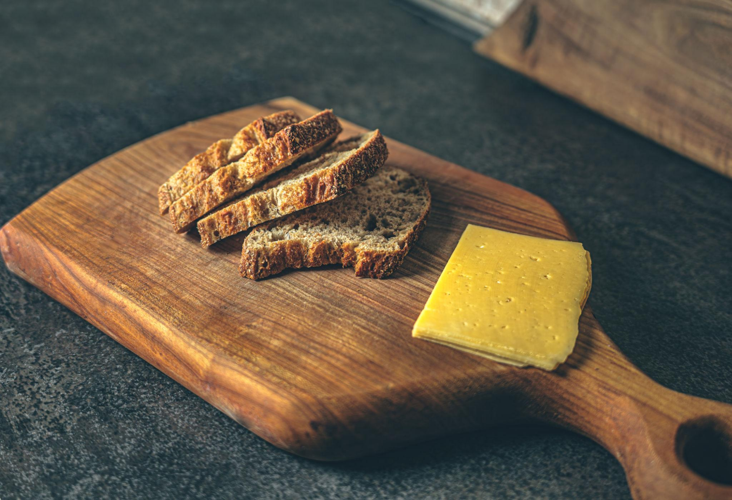
The same wooden board might hold artisan cheeses on Friday evening, pastries on Sunday morning, and a casual selection of appetizers at a holiday gathering. Mixing materials often creates a more interesting presentation than purchasing everything from one matching collection. Marble, wood, ceramic, and understated metal finishes introduce texture without making the table feel overly decorated.
Pedestal stands and tiered servers can also be useful, particularly when space is limited. They introduce height and allow smaller foods to be displayed beautifully without covering every available inch of the table. As explored in FINE's feature on creating an elevated candy bar for parties and special occasions, thoughtful presentation can transform even simple treats into something memorable.
The same principle applies to the entire dining experience. Beautiful serving pieces should make food more inviting, not more complicated. If guests have to navigate an elaborate centerpiece just to reach the bread, the table is probably working a little too hard.
The Most Inviting Homes Always Have Room for One More
Some homes are designed around entertaining. Others become wonderful places to gather simply because their owners know how to make people comfortable.
A formal dining room with seating for twelve is certainly impressive. But there is something equally charming about a smaller home where an extra chair appears effortlessly, conversation spills into the living room, and nobody feels they have arrived at an inconvenient moment.
Flexible seating is one of the most underrated entertaining essentials. A pair of attractive occasional chairs can move between the living room and dining area when needed. Upholstered benches provide additional seating without introducing the visual clutter of several mismatched chairs. For larger celebrations, well-designed folding chairs can be brought out discreetly and stored away afterward.
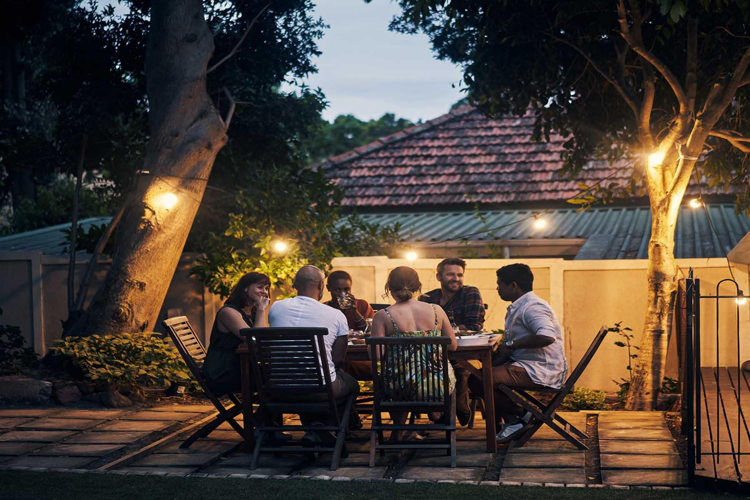
Outdoor entertaining calls for another layer of consideration. Comfortable seating, appropriate shade, and lighting that extends the evening beyond sunset can make a patio or garden just as inviting as an indoor dining room.
However, accommodating guests involves more than providing enough chairs. Think about how people will move through the space. Can someone reach the drinks without interrupting a conversation? Is there somewhere to put a handbag or coat? Are the seats arranged so guests can talk to one another without feeling separated into little islands?
These small decisions are part of a broader approach to intentional entertaining and creating spaces that encourage connection. A comfortable gathering space rarely happens by accident. It comes from understanding that the people in the room matter more than the furniture surrounding them.
The Welcome Begins Long Before Dinner Is Served
One of the loveliest things about visiting a wonderful host is the feeling that they've been expecting you. Not simply expecting your arrival, but anticipating the little things that will make you comfortable.
Perhaps a tray of refreshments is waiting near the entrance. A small bowl of olives and a few appetizers offer something to enjoy while everyone arrives. Soft music fills the room, and the lighting feels warm without being theatrical.
Nothing needs explaining because everything seems to have found its natural place.
A dedicated drinks area can be especially useful. It might be a beautifully arranged bar cart, a sideboard with glassware and beverages, or even a discreet tray placed on a console table. Include appealing nonalcoholic options alongside any wine or cocktails. Sparkling water, citrus, fresh herbs, and attractive glassware can make a simple alcohol-free drink feel just as thoughtfully considered.
It is equally important to understand what guests can comfortably eat and drink. Asking about dietary restrictions before the event is a gracious gesture that prevents awkward explanations at the table. For guests managing food allergies, thoughtful preparation is especially important. The U.S. Food and Drug Administration's information on food allergies provides useful guidance on common allergens and food safety considerations. Hosts should also take care to avoid allergen cross-contact when preparing and serving food.
The Emily Post Institute's party etiquette guidance reinforces the importance of preparation, warm welcomes, and attentiveness. Yet one of the most valuable qualities a host can possess is flexibility.
A guest arrives late. Someone spills a drink. A carefully planned appetizer doesn't turn out quite as expected. None of these moments needs to become a crisis. The host who responds with a smile gives everyone else permission to relax.
Give the Evening Room to Unfold
A wonderful gathering has a rhythm of its own. Guests arrive, conversations begin, and the first drinks are poured. Dinner follows, but the evening doesn't necessarily end when the plates are cleared.
Sometimes the most enjoyable moments happen afterward, when everyone moves away from the dining table and settles into a more comfortable setting.
This is where a little planning can make a considerable difference. Rather than disappearing into the kitchen to prepare an elaborate dessert, consider something that can be arranged in advance. A beautiful cake, a selection of pastries, or a platter of seasonal fruit and chocolates can feel equally special when presented thoughtfully.
Coffee and tea can become a small ritual of their own. Bring out a tray with attractive cups, a pot of freshly brewed coffee, and perhaps something sweet to share. What might otherwise signal the end of dinner becomes an invitation to linger.
For larger gatherings, a separate dessert table can encourage guests to move around and mingle. At a more intimate dinner, bringing dessert into the living room may create a wonderfully relaxed second act.
The important thing is to leave some breathing room in the evening. Not every moment needs an activity, a new course, or an elaborate surprise. Sometimes a wonderful conversation deserves another half hour without interruption.
And while preparation matters, it is worth remembering that guests have come to spend time with you, not to watch you manage an event.
Set the table early. Prepare what you can in advance. Keep additional serving utensils nearby, make sure the guest bathroom is ready, and give yourself a few quiet minutes before the doorbell rings.
The finest preparation is the kind nobody notices.
The FINE Take

There is a reason some homes become the places everyone loves gathering. It isn't always because they have the most beautiful furniture, the largest dining room, or the finest collection of crystal. More often, it is because the people who live there know how to make others feel at ease.
Beautiful dinnerware, versatile serving pieces, comfortable seating, and thoughtful refreshments all play their part. They create the foundation for a gathering that feels considered without becoming overly formal.
But the real luxury of entertaining is something no amount of shopping can provide: the freedom to be present.
To enjoy a conversation rather than worry about the next course. To laugh when something goes wrong. To make an unexpected guest feel as welcome as someone whose invitation was sent weeks ago.
A perfectly arranged table is lovely. A room filled with people who feel genuinely welcome is better.
And if the evening ends with everyone lingering a little longer than planned, you have probably done something right.

(0) comments
We welcome your comments
Log In
Post a comment as Guest
Keep it Clean. Please avoid obscene, vulgar, lewd, racist or sexually-oriented language.
PLEASE TURN OFF YOUR CAPS LOCK.
Don't Threaten. Threats of harming another person will not be tolerated.
Be Truthful. Don't knowingly lie about anyone or anything.
Be Nice. No racism, sexism or any sort of -ism that is degrading to another person.
Be Proactive. Use the 'Report' link on each comment to let us know of abusive posts.
Share with Us. We'd love to hear eyewitness accounts, the history behind an article.