

Summers in the San Joaquin Valley are dry and fiercely hot, which makes a shaded patio, a cool pool, and a trickling fountain feel like small oases. Insects reach the same conclusion. When surrounding fields and hillsides brown out, irrigated gardens and water features become some of the most reliable sources of moisture and shelter for miles. Upscale properties tend to have more of them: outdoor kitchens, seating nooks wrapped in greenery, guest casitas, and decorative basins. Each offers something pests want, whether water, crumbs, or shade. Managing that draw does not require turning the yard into a sterile space. It requires knowing which features attract which pests, making modest design and cleaning adjustments, and recognizing when a problem has outgrown household effort.
Why Irrigated Gardens Become Magnets in a Dry Climate
Rainless summers change pest behavior. Argentine ants, common across California, build huge interconnected colonies and travel long distances for water and sweet honeydew from aphids on ornamental plants. When irrigation runs near a patio, those trails follow it, and when winter rains flood their outdoor nests, the same colonies move into walls and kitchens. Earwigs and sowbugs gather under pots, mulch, and stepping stones where soil stays damp.
Proximity to the Delta and agricultural land adds further pressure. Mosquitoes breed in irrigation runoff and neglected containers, and roof rats use palms, dense ivy, and fruit trees as travel routes to rooflines and attics. Yellowjackets turn aggressive in late summer, when natural food sources thin out and open drinks and grilled meat become attractive.
A useful first exercise is mapping the property by moisture. Find every sprinkler zone, hose bib, fountain, and drain, then note which ones sit beside seating or doors. Overspray on walls, a weeping valve box, or a spigot that drips onto soil all create a steady water source. Fixing those points often reduces pest numbers without any treatment at all.
Pools and Decorative Water Features Need Circulation and Edge Control
Pools themselves are rarely the issue, but their surroundings often are. Splash-out keeps decking damp, algae can form in shaded corners, and skimmer baskets collect drowned insects that attract scavengers. Pump pads and equipment enclosures stay warm and sheltered, and spiders, including black widows, favor these low-traffic spots. Gloves and a flashlight are wise before reaching into any dark enclosure.
Decorative fountains, ponds, and reflecting basins need regular attention. Water that sits for several days can breed mosquitoes, and the common Culex species found in valley neighborhoods are capable of carrying West Nile virus. Keeping pumps running, removing leaf debris, and topping off water regularly prevent larvae from establishing. Where a feature will be turned off for the season, draining it fully is better than leaving a shallow, stagnant film.
Trim vegetation back from the pool edge and avoid planting thick groundcover right against decking, since ants, earwigs, and spiders use it as cover and travel routes. Check the underside of lounge chairs and the gaps in cabana furniture for webs and nests before guests arrive. A quick walk with a broom and flashlight takes only minutes and prevents most unwelcome surprises.
Outdoor Kitchens and Dining Areas Where Food Draws the Crowd
Outdoor kitchens supply food on a schedule, and pests learn that schedule quickly. Grease on grill grates, sugary drips under a bar refrigerator, and uncovered trash draw ants, flies, yellowjackets, and rodents. Cabinets built from untreated wood or backed tightly against walls leave little room for cleaning, and crumbs collect where no one looks.
Practical steps start with the equipment. Scrub grates and drip trays while still warm, wipe counters with a degreaser, and empty ice bins and bar sinks after each event. Keep bins lidded and place them away from seating. Store dry goods, pet food, and birdseed in sealed containers instead of open bags in a pantry cabinet. Cabinets with a small gap beneath them allow sweeping and inspection, and sealed seams keep ants from nesting in the frame.
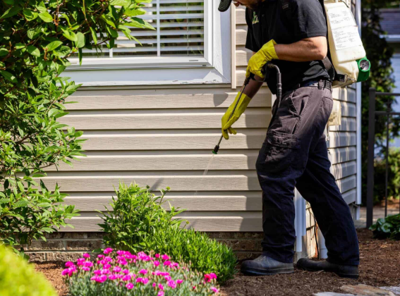
Even careful owners find that persistent ant trails or rodent signs resist routine cleaning. Those situations are when pest control experts serving Stockton are worth calling, because trained technicians can identify the species, find the nest or entry point, and choose a treatment that fits an area where people eat and gather. That approach addresses the cause instead of repeatedly wiping away a visible line of insects.
Landscaped Seating and Guest Spaces Where Comfort Depends on Details
Landscaped seating areas look best when planting is lush, which is also when pests find them most appealing. Dense shrubs against walls hold moisture and shelter earwigs, spiders, and rodents. Tree limbs touching the roof offer ants and rats a ready path. Flowering plants near the dining table draw bees and wasps, so placing nectar-rich species along the yard’s edge keeps visits away from guests.
Mulch deserves moderation. Two to three inches suits most beds, while deeper piles stay wet and shelter pests against foundations. Where possible, use gravel or stone near seating. Replace saucers under pots with drainage trays that empty, and check raised planters for gaps where ants colonize.
Guest casitas and pool houses call for their own checks. Spaces that sit empty collect spiders and ants unnoticed. Walk through before each stay, looking along baseboards and window tracks, testing door sweeps and screens, and sealing gaps around pipes. After a visit, inspect mattress seams for bed bugs and wash linens on a hot cycle. If signs keep appearing, the local pest management professionals can inspect hidden voids, advise on repairs, and set a monitoring schedule that fits how often the space is used.
Habits and Records That Keep Pressure Low All Year
Prevention works best as a quiet routine. A schedule tied to the seasons keeps tasks small and consistent:
- Spring: inspect irrigation for leaks, trim shrubs off walls, and check eaves for wasp starts.
- Summer: empty standing water weekly, check pool equipment enclosures, and rinse bar areas after parties.
- Autumn: seal gaps along utility lines, repair door sweeps, and pick fallen fruit before it ferments.
- Winter: review guest spaces and storage, and cut back plants that touch the roof.
Records make the routine useful. Dated photos of ant trails, nests, and damp spots show whether the same location keeps producing problems, which usually means a repair is needed rather than another treatment. Caretakers, housekeepers, and landscapers should know whom to tell when they spot droppings, nests, or unusual traffic. Quick reports shorten response time and give any technician a clear starting point.
Stockton homes can enjoy their pools, kitchens, and gardens without surrendering them to pests, provided the details are handled with care. Fixing moisture sources, keeping food areas clean, trimming plantings away from structures, and checking guest spaces on a schedule remove the conditions that draw insects and rodents in the first place. Records turn guesswork into pattern recognition. Persistent or hidden problems benefit from professional inspection, which adds expertise and tools that routine care cannot supply. With that balance, outdoor amenities stay what they were designed to be: comfortable places for people, not shelter for everything else that follows the water and the food.

(0) comments
We welcome your comments
Log In
Post a comment as Guest
Keep it Clean. Please avoid obscene, vulgar, lewd, racist or sexually-oriented language.
PLEASE TURN OFF YOUR CAPS LOCK.
Don't Threaten. Threats of harming another person will not be tolerated.
Be Truthful. Don't knowingly lie about anyone or anything.
Be Nice. No racism, sexism or any sort of -ism that is degrading to another person.
Be Proactive. Use the 'Report' link on each comment to let us know of abusive posts.
Share with Us. We'd love to hear eyewitness accounts, the history behind an article.