
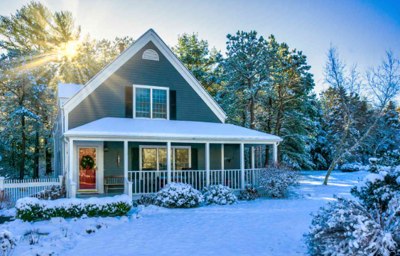
Older homes have a particular talent for making winter noticeable. The original windows that look beautiful in October may suddenly feel drafty in January. Hardwood floors become colder underfoot, rooms heat unevenly and that substantial old front door may reveal exactly where its weatherstripping has given up.
In Charlotte, homeowners do not face months of severe northern winter, but freezing temperatures occur often enough to expose weak points in an older house. That makes winter preparation less about transforming the home and more about understanding where air, heat and water are moving.
The good news is that many of the most effective improvements are nearly invisible. An older house can become warmer, quieter and easier to maintain without sacrificing the windows, doors, floors and millwork that give it character.
Start With the House You Have
Before replacing anything, find out where the problems actually are. A cold bedroom does not automatically mean the windows have failed, and a high heating bill does not necessarily mean the furnace needs to be replaced.
Air can leak around windows and doors, but it can also escape through attic hatches, plumbing penetrations, electrical openings, recessed fixtures, crawl spaces and gaps hidden behind trim. A professional home energy assessment can help identify these areas more accurately than guessing from where a room happens to feel cold.
The U.S. Department of Energy recommends a home energy assessment as a way to understand where a house is losing energy and which improvements are likely to make the greatest difference.
This approach is especially useful in an older property because the most noticeable feature is not always the source of the problem. FINE’s guide to modern upgrades that make an older home easier to live in follows the same philosophy: preserve what works and improve the systems that do not.
Air Seal Before Adding More Insulation
One of the most useful places to begin is above the ceiling rather than inside the walls.
Warm indoor air can escape into an attic through openings around plumbing, wiring, light fixtures, attic access panels and other penetrations. Adding insulation without dealing with those openings may slow heat transfer while still allowing conditioned air to move through the building envelope.
The U.S. Department of Energy’s Building Science Education program recommends air sealing attic-floor penetrations before adding insulation in an existing vented attic.
Attic hatches deserve particular attention. Weatherstripping around the opening and insulation on the hatch itself can reduce a surprisingly noticeable source of heat loss.
Older houses may also contain conditions that make insulation work less straightforward. Existing wiring, old chimneys, recessed fixtures, moisture problems or unusual framing should be evaluated before new insulation is installed. More material is not automatically better if it creates a safety or moisture problem.
Give Original Windows a Fair Chance
Original windows are frequently blamed for every draft in an older home. Sometimes replacement is appropriate, particularly when frames are extensively deteriorated, glass is damaged or the units no longer operate safely.
But replacement should not automatically be the first step.
Weatherstripping, renewed glazing, repaired sash cords and carefully sealed gaps can improve the performance of older windows while retaining their proportions and materials. Interior or exterior storm windows can provide another layer of protection without removing the original sash.
Window coverings also contribute to winter comfort. Lined draperies or insulated shades can reduce the chill near large expanses of glass after sunset. On sunny days, opening coverings on windows receiving direct winter sun can allow passive warmth into the room before they are closed again in the evening.
The decision should be based on condition rather than age alone. Replacing a well-built original wood window with a poorly proportioned modern unit may solve one issue while permanently changing the architecture of the house.
Stop Drafts Around Exterior Doors
A beautiful old wood door can remain exactly where it is and still perform considerably better in winter.
Inspect exterior doors for visible daylight around the perimeter and feel for air movement near the frame. Worn weatherstripping is inexpensive to replace, while an adjustable threshold or properly fitted door sweep can close gaps near the floor.
Less frequently used doors should not be overlooked. Side entrances, basement doors and doors connecting the home to an attached garage may admit cold air without receiving the same attention as the front entrance.
If the door itself has warped or no longer sits squarely in the opening, a carpenter may be able to improve the fit while preserving the original material and hardware.
Pay Attention to Crawl Spaces and Cold Floors
Charlotte has many homes with crawl spaces, and winter can make weaknesses below the floor particularly noticeable.
Cold floors, drafts around baseboards and rooms that never seem to reach the same temperature as the rest of the house may indicate missing insulation, air leakage, damaged ductwork or moisture problems below.
Inspect crawl spaces for plumbing penetrations, deteriorated insulation, disconnected ducts, standing water and openings that allow uncontrolled outside air into the structure.
The City of Charlotte’s winter-weather guidance specifically recommends sealing openings and air leaks in crawl spaces and basements when preparing for freezing weather.
Moisture problems should be corrected before additional insulation is installed. A damp crawl space can contribute to wood deterioration, musty odors and indoor humidity issues throughout the year.
Protect Pipes Before Temperatures Drop
Frozen plumbing is one of those winter problems that can become expensive very quickly.
Disconnect garden hoses from exterior faucets before a freeze and inspect plumbing located in unheated garages, crawl spaces, attics and exterior walls. Exposed pipes may benefit from appropriate pipe insulation, but insulation alone cannot compensate for prolonged exposure to severe cold.
Charlotte recommends opening cabinet doors below sinks during freezing conditions so warmer room air can circulate around plumbing and disconnecting garden hoses from outdoor spigots. The city also advises homeowners to know where the main water shutoff is located.
That last point is worth doing before there is a problem. If a pipe bursts, being able to stop the water immediately can dramatically limit the damage.
Charlotte Water provides additional guidance on preventing and responding to frozen pipes for local homeowners.
Prepare the Heating System Before You Need It
The first genuinely cold evening is not the ideal time to discover that the heating system needs attention.
Change or clean filters according to the equipment manufacturer’s instructions and keep supply and return vents unobstructed. If the system has not received routine service recently, schedule maintenance before it begins operating for long periods.
Older duct systems also deserve inspection. Connections can loosen over time, particularly where ducts run through attics, crawl spaces and other unconditioned areas. Heated air leaking into a crawl space is not doing much for the living room above it.
If the heating system is nearing replacement, consider completing air-sealing and insulation improvements first. Once the building envelope performs better, the heating requirements of the house may change.
For additional ways to improve comfort without simply turning up the thermostat, see FINE’s guide to lowering your heating bill without sacrificing comfort.
Keep Rainwater Moving Away From the House
Winter preparation is not only about temperature. Water can cause just as much trouble in an older home.
Clean gutters before leaves and debris interfere with drainage. Confirm that downspouts carry water away from the foundation rather than depositing it directly beside the house.
Inspect the roof for missing or damaged material and pay particular attention to flashing around chimneys, valleys, skylights and roof-to-wall intersections.
After a substantial rainfall, walk around the exterior and look for areas where water pools against the foundation. Repeated moisture near the structure can contribute to crawl-space problems, foundation deterioration and damage to exterior wood.
This is also a good time to look for peeling paint, open joints, deteriorated caulk and soft trim. Small exterior maintenance issues are easier to address before water has had another winter to work its way behind them.
Make the Fireplace Part of the Winter Plan
A working fireplace may be one of the reasons an older home feels especially inviting in winter, but chimneys and fireplaces need maintenance of their own.
Frequently used chimneys should be inspected and cleaned as appropriate, and dampers should open and close correctly. When the fireplace is not being used, a damper that does not seal properly can allow heated indoor air to escape.
Do not permanently block, alter or seal a fireplace or chimney without understanding how the system operates. Fuel-burning appliances involve ventilation and combustion requirements that should be evaluated by a qualified professional when there is any uncertainty.
Smoke alarms and carbon monoxide alarms should also be tested as part of seasonal home maintenance.
Add Warmth Without Covering the Architecture
Not every winter improvement requires a contractor.
A substantial wool rug can make original hardwood floors noticeably more comfortable while allowing the flooring to remain visible around the perimeter. Lined draperies add softness and insulation around older windows without concealing their trim. Upholstered furniture, wool throws and layered natural textiles can make a room feel warmer both physically and visually.
Lighting matters as well. Older homes often benefit from layered lamps and sconces rather than relying entirely on a single overhead fixture. Warm, dimmable light can make plaster walls, original woodwork and fireplaces feel richer during the darker months.
The objective is not to decorate the house into submission. The best additions work with the architecture already there.
Know Which Problems Need Immediate Attention
Winter has a useful way of exposing issues that may have gone unnoticed during warmer months, but not every discovery requires an immediate renovation.
A minor draft may justify new weatherstripping now and a larger window-restoration project in spring. An energy assessment may reveal an insulation opportunity that can be planned rather than rushed.
Active water intrusion, unsafe heating equipment, exposed or problematic electrical conditions and plumbing vulnerable to freezing deserve more immediate attention.
When several older-home issues appear at once, prioritize safety, structure and moisture before cosmetic improvements. FINE’s guide to the first upgrades to tackle in an older home explains why electrical, plumbing, roofing and building-envelope concerns should generally come before decorative projects.
The Best Improvements Are Often the Ones You Cannot See
Winterizing an older home does not require removing everything that makes it old.

The most effective approach is often much quieter: seal unnecessary air leaks, improve insulation where it is needed, repair valuable original windows and doors when practical, protect the plumbing, maintain the heating system and keep moisture away from the structure.
Done well, the house should still look like itself when the work is finished.
The original floors remain. The substantial doors remain. The old windows and millwork can remain where their condition allows. What changes is how the home feels: warmer, quieter and considerably easier to live in when winter arrives.

(0) comments
We welcome your comments
Log In
Post a comment as Guest
Keep it Clean. Please avoid obscene, vulgar, lewd, racist or sexually-oriented language.
PLEASE TURN OFF YOUR CAPS LOCK.
Don't Threaten. Threats of harming another person will not be tolerated.
Be Truthful. Don't knowingly lie about anyone or anything.
Be Nice. No racism, sexism or any sort of -ism that is degrading to another person.
Be Proactive. Use the 'Report' link on each comment to let us know of abusive posts.
Share with Us. We'd love to hear eyewitness accounts, the history behind an article.