
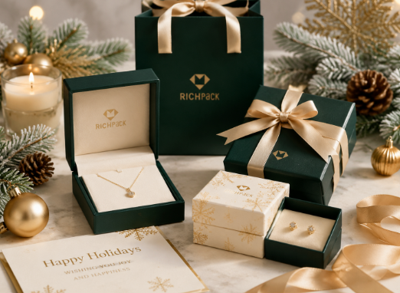

There is a particular moment that happens on doorsteps and kitchen tables every day. A parcel arrives, a lid lifts, a layer of tissue folds back, and for a few seconds the object inside is not yet part of daily life. It is still a discovery. That moment is shaped almost entirely by packaging, and for anyone who cares about how a home feels, it is worth paying attention to.
Packaging is easy to dismiss as something that exists only to be thrown away. Yet for homeware and lifestyle products in particular, the box is often the first physical expression of the care that went into what it holds. A hand-thrown mug, a linen throw or a scented candle carries a story about materials and craft. The packaging either continues that story or interrupts it.
The Threshold Between Shop and Home
Think of packaging as a kind of threshold. On one side is the world of production and shipping; on the other is the private space of the home. A good box manages that transition gracefully. It protects the object in transit, of course, but it also sets expectations about what the object is and how it should be treated.
A heavy rigid box with a fitted lid tells the recipient that what lies inside is meant to last. A simple kraft carton with a printed stamp suggests something honest and handmade. Neither is better than the other; what matters is that the packaging and the product speak the same language. When they do not, when a carefully made ceramic arrives rattling in an oversized generic carton, the mismatch is felt immediately, even if it is never put into words.
When the Box Is Part of the Gift
Gifting is where packaging earns its keep most visibly. Many people buy home goods specifically as presents: a set of glasses for a housewarming, a box of handmade soaps for a host, a soft blanket for a wedding. In these cases, the packaging is not simply a container for the gift. It is part of the gift.
A box that already looks considered spares the giver the awkward business of wrapping, and it gives the recipient an experience rather than a transaction. Details such as a ribbon pull, a printed card tucked inside the lid, or an insert that holds each item in place are small, but they signal intention. They say that someone thought about the moment of opening, not just the moment of purchase.
Packaging That Earns a Place on the Shelf
The best packaging for the home often refuses to be thrown away at all. A sturdy box becomes storage for letters, photographs or spare candles. A tin that once held loose-leaf tea ends up holding buttons or paperclips. A drawstring cotton bag that protected a pair of slippers becomes a travel pouch.
This afterlife is worth designing for. Neutral colours, quiet branding and durable materials make it far more likely that a box will be kept and reused, which is good for the environment and, quietly, good for the brand whose name sits on a bookshelf for years. Packaging that is too loud or too flimsy rarely escapes the recycling bin.
What Small Homeware Brands Are Discovering
Independent makers have been especially quick to understand the value of considered packaging. A small candle studio or ceramics workshop cannot compete with large retailers on price or reach, but it can compete on experience. For these businesses, packaging is one of the few points of contact they fully control between the workshop and the customer's home.
Bespoke packaging was once largely the preserve of large companies with the budgets and volumes to justify it. That has shifted. Working with a supplier of custom packaging, such as Paking Duck, allows smaller brands to commission boxes sized to their products rather than adapting products to whatever stock cartons happen to be available. A box that fits properly needs less filling, protects better and simply looks more deliberate.
The practical questions are worth asking early: how heavy is the product, how far will it travel, will it be displayed in a shop or only shipped, and what should the customer feel when they open it? The answers shape everything from board thickness to the choice of insert.
Beauty and Responsibility Can Coexist
It would be wrong to talk about packaging without acknowledging waste. Many households are rightly tired of opening deliveries that are half air and half plastic. The encouraging news is that thoughtful design and responsible design tend to point in the same direction.
Right-sized boxes use less material and less void fill. Paper-based packaging and single-material constructions are generally easier to recycle than mixed materials glued together. Printing directly onto a box can replace separate leaflets and stickers. And packaging designed to be kept is packaging that does not enter the waste stream at all. For readers choosing between brands, these details are worth noticing; they often reveal how seriously a company takes the whole life of its product.
The Last Word
Packaging will never be the reason a beautiful object is beautiful. But it frames the first encounter, and first encounters linger. In a home, where we surround ourselves with things chosen for how they make us feel, it makes sense that the way those things arrive should be considered too. The next time a parcel lands on the doorstep, it may be worth pausing before tearing it open. The box may have more to say than it first appears.

(0) comments
We welcome your comments
Log In
Post a comment as Guest
Keep it Clean. Please avoid obscene, vulgar, lewd, racist or sexually-oriented language.
PLEASE TURN OFF YOUR CAPS LOCK.
Don't Threaten. Threats of harming another person will not be tolerated.
Be Truthful. Don't knowingly lie about anyone or anything.
Be Nice. No racism, sexism or any sort of -ism that is degrading to another person.
Be Proactive. Use the 'Report' link on each comment to let us know of abusive posts.
Share with Us. We'd love to hear eyewitness accounts, the history behind an article.