
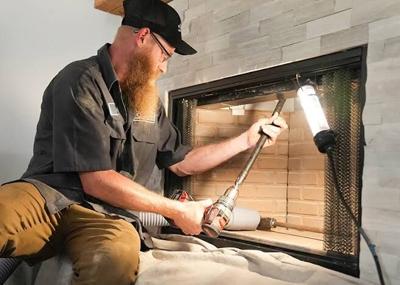

A clean chimney supports reliable fireplace performance and helps keep combustion byproducts moving safely outdoors. Soot, creosote, ash, and animal debris can collect inside the flue as a fireplace operates. Regular attention gives homeowners a clearer view of the system and helps preserve components that support proper venting.
Homeowners can benefit from a service routine that treats cleaning and inspection as connected tasks. A professional chimney sweep in Austin should assess the system before removing deposits, then clean areas where residue can gather. This article will describe the step-by-step process that experts follow.
Step 1: Experts Prepare the Fireplace and Work Area
A professional service starts with a cool, unused fireplace and a protected work area. Drop cloths shield floors and furnishings from soot, while a high-efficiency vacuum captures loose ash and residue during the process. The technician reviews visible components and chimney access before tools enter the flue.
Step 2: They Inspect the Flue for Deposits and Obstructions
Inspection should come before sweeping because deposits are only one part of chimney maintenance. The technician in Austin checks for creosote, soot, blockages, animal nests, and signs of deterioration that could affect ventilation. The damper, smoke chamber, firebox, and accessible flue sections deserve particular attention because residue can collect there. The Chimney Safety Institute of America recommends annual chimney inspections and advises sweeping masonry fireplaces when soot reaches 1/8 inch or sooner when glaze appears. Factory-built fireplaces require attention when appreciable buildup develops.
Step 3: Loosens and Removes Chimney Deposits
Professional brushes and specialized sweeping tools loosen accumulated soot and creosote from flue walls. Hard or glazed deposits may require specialized treatment. A filtered vacuum captures loosened material.
Key tasks include:
- Removing soot and creosote from the flue.
- Clearing animal nests or other obstructions when found.
- Checking for clearance barriers that can affect safe venting.
Step 4: Cleans Interior and Reviews Exterior Components
The firebox, damper, and nearby chamber areas receive detailed cleaning after the flue receives attention. Remaining ash and debris are removed from the hearth so the fireplace is ready for its next appropriate use. Exterior components also deserve review, including visible masonry, mortar, and the chimney crown. The technician can note signs of water intrusion, corrosion, cracking, or other deterioration. A professional chimney sweep in Austin can document significant findings and explain which conditions deserve further evaluation.
Step 5: Completes Cleanup and Plans the Next Service in Austin
A quality sweep ends with more than a clean flue. Loose debris should be vacuumed, work materials removed, and the fireplace area returned to an orderly condition. Homeowners in Austin should receive clear information about findings, maintenance needs, and appropriate timing for another inspection or cleaning.
The U.S. Fire Administration estimated 27,900 residential heating fires in 2023, with 115 deaths and 525 injuries. The figure covers residential heating fires broadly, so it does not represent chimney fires specifically. The figure still reinforces careful home-heating maintenance and regular attention to connected fireplace components throughout the heating season.
For ongoing care, homeowners can:
- Burn thoroughly dry, lower-moisture hardwood to help limit creosote formation.
- Watch for dark creosote buildup, unusual odors, smoke problems, or suspected blockages.
- Arrange annual inspections and schedule sweeping according to buildup, fuel, fireplace type, and use.
Professional chimney sweeping combines preparation, inspection, deposit removal, component cleaning, exterior review, and final cleanup. A structured service gives homeowners in Austin practical information about their fireplace and chimney condition. Consistent maintenance can support safer operation and help small concerns receive attention before they become larger problems.


(0) comments
We welcome your comments
Log In
Post a comment as Guest
Keep it Clean. Please avoid obscene, vulgar, lewd, racist or sexually-oriented language.
PLEASE TURN OFF YOUR CAPS LOCK.
Don't Threaten. Threats of harming another person will not be tolerated.
Be Truthful. Don't knowingly lie about anyone or anything.
Be Nice. No racism, sexism or any sort of -ism that is degrading to another person.
Be Proactive. Use the 'Report' link on each comment to let us know of abusive posts.
Share with Us. We'd love to hear eyewitness accounts, the history behind an article.