
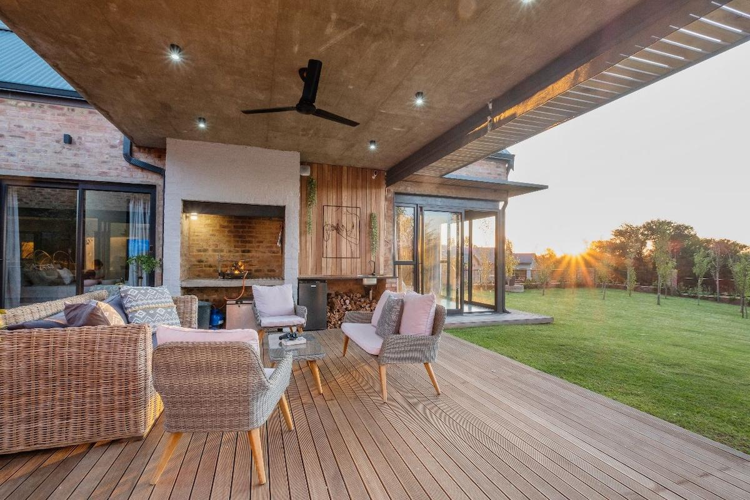
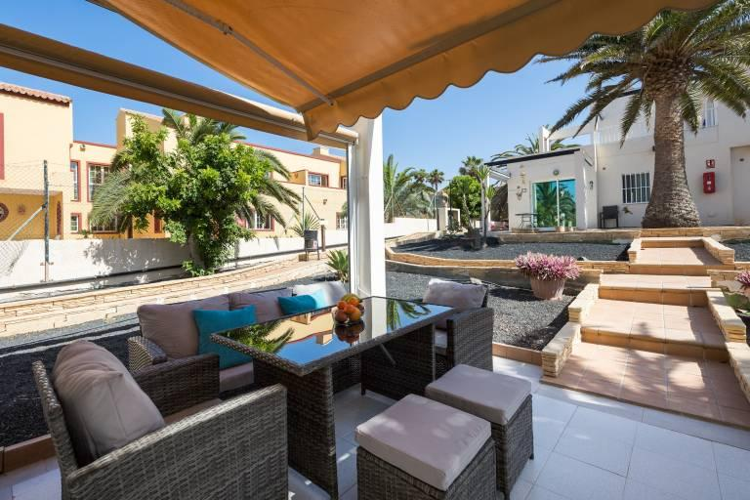

From sun-soaked patios to beautifully shaded terraces, the right awning can make outdoor living feel like a natural extension of home.
A beautiful patio has a way of making everyday life feel a little more luxurious. Morning coffee tastes better outside, weekend lunches become leisurely affairs, and an ordinary evening can turn into an impromptu gathering with friends. But even the most thoughtfully designed outdoor space has one unpredictable guest: the sun.
That perfectly positioned lounge chair may be inviting at ten in the morning and unbearably hot by midafternoon. A dining table overlooking the garden might look wonderful, yet remain largely unused because there is nowhere comfortable to sit when the sunlight becomes intense.
The solution does not always require a major renovation, a covered terrace, or an elaborate landscaping project. Sometimes, it begins with a well-designed awning.
Once associated primarily with storefronts and traditional striped fabric coverings, modern awnings have become sophisticated additions to residential architecture. They can soften harsh sunlight, protect outdoor furnishings, complement a home's exterior, and help transform an underused patio into a place where people genuinely want to spend time.
The appeal lies in something beyond shade itself. A thoughtfully selected awning gives homeowners greater freedom to enjoy their surroundings on their own terms.
When a Patio Starts Feeling Like Another Room
There is a noticeable difference between a patio that simply contains furniture and one that feels like an intentional living space. The latter has comfortable proportions, a sense of enclosure, and a natural connection to the rest of the home.
Awnings can help establish that connection without sacrificing the openness that makes outdoor living appealing.
Imagine a contemporary home with wide glass doors opening onto a stone terrace. A low-profile awning extends over a comfortable sectional, a pair of lounge chairs, and a small coffee table. The garden remains visible, fresh air moves freely through the space, and the seating area suddenly feels as inviting as the living room inside.
For smaller properties, the transformation can be even more meaningful. A modest patio that once seemed too exposed for regular use can become an intimate breakfast corner, a reading retreat, or a comfortable place to unwind at the end of the day.
The secret is treating shade as part of the overall design rather than an accessory added after everything else has been finished.
As explored in FINE's guide to patio design mistakes homeowners should avoid, understanding sunlight, furniture placement, and the way people move through an outdoor space is essential to creating a patio that works as beautifully as it looks.
An awning becomes most effective when it supports those decisions, giving the space a clear purpose and a comfortable atmosphere.
Making Sunshine Work for the Home Instead of Against It
Sunlight is one of the most desirable qualities in residential design. It brightens rooms, brings warmth to outdoor spaces, and makes interiors feel connected to the landscape. Yet too much direct sunlight can quickly turn an inviting terrace into an uncomfortable place to sit.
This is where adjustable shade becomes particularly valuable.
Unlike fixed roof structures, retractable patio awnings allow homeowners to respond to changing conditions. On a bright afternoon, the awning can extend to create a sheltered seating area. When the sun becomes gentler, it can be withdrawn to reveal an open sky and allow more daylight into adjoining rooms.
The advantages are not limited to the patio.
Large windows and sliding glass doors are wonderful architectural features, but they can also admit unwanted solar heat during warmer months. Exterior awnings can intercept a portion of that sunlight before it reaches the glass, potentially reducing cooling demand.
Research from the U.S. Department of Energy explains how strategic exterior shading can help manage solar heat gain and glare. The effect depends on factors such as window orientation, climate, glazing, and shading design, so the benefits will vary from one home to another.
Retractable systems offer an additional advantage in cooler weather, when allowing sunlight through windows may be preferable to keeping them continuously shaded.
For homeowners who enjoy spending long afternoons outside, fabric selection also deserves attention. The Skin Cancer Foundation recommends seeking shade as part of a broader sun-protection routine. UV-protective awning fabrics can help reduce direct exposure, although reflected sunlight means shade alone does not provide complete protection.
The goal is not to eliminate sunshine. It is to enjoy it with a little more control.
Giving Beautiful Outdoor Furniture a Better Chance to Last
Outdoor furniture has evolved considerably from the days of lightweight plastic chairs and folding tables. Today's terraces feature sophisticated upholstered seating, sculptural teak furniture, woven textures, and decorative accessories that would look equally at home in a beautifully appointed interior.
These pieces contribute enormously to the atmosphere of an outdoor space, but they also represent an investment worth protecting.
Even weather-resistant furniture can be affected by prolonged sunlight, moisture, and changing temperatures. Fabrics may gradually fade, finishes can deteriorate, and decorative elements may require more frequent care when continually exposed to the elements.
An awning provides an additional layer of protection by limiting direct sunlight over the furnished area. It can help preserve the appearance of outdoor cushions, rugs, and furniture finishes while creating a more comfortable environment for daily use.
Consider a coastal terrace with pale upholstery, natural wood furniture, and understated ceramics. A neutral-toned awning can complement the entire arrangement while helping shield its more delicate details from intense afternoon exposure.
The effect is both practical and visual. The furniture remains the focus, while the awning quietly supports the setting.
Naturally, an awning does not make outdoor furniture weatherproof. Protective covers, regular maintenance, and appropriate storage remain important, particularly during storms or prolonged wet weather. But thoughtful shade can help homeowners enjoy their investment with greater confidence.
Creating an Outdoor Entertaining Space That Feels Effortless
Some of the best gatherings are the ones that never seem to follow a schedule. A casual Sunday brunch stretches into the afternoon. Friends arrive for an early evening drink, and before anyone realizes it, dinner is being served outside.
Outdoor entertaining has a relaxed charm that is difficult to recreate indoors. It also depends on a few practical comforts that guests may never consciously notice.
Shade is one of them.
A well-positioned awning allows a dining table to remain comfortable during sunny hours and helps establish a natural gathering place. Guests can linger over lunch without constantly changing seats, while hosts can concentrate on the occasion rather than the angle of the afternoon sun.
On a larger terrace, the awning can define one area without enclosing the entire space. A sheltered dining table might sit beside an open lounge, while potted olive trees, textured planters, and soft outdoor lighting provide visual continuity between the two.
The setting becomes especially attractive as evening approaches.
Integrated LED lighting, available on certain motorized awning systems, can bring a warm glow to the sheltered area. Paired with lanterns, understated table settings, and comfortable chairs, the patio begins to feel like a private outdoor dining room.
This approach fits naturally into the broader concept of creating outdoor living spaces that can be enjoyed throughout the year, where adaptable shade, lighting, and carefully considered furnishings work together.
The most successful entertaining spaces rarely announce how much planning went into them. They simply make people feel welcome enough to stay.
Choosing an Awning That Belongs to the Architecture
An awning can improve comfort, but its appearance deserves just as much consideration. The wrong proportions, fabric, or mounting style can interrupt the clean lines of a home, while a well-chosen design can become a subtle architectural feature.
For contemporary residences, restrained profiles and neutral fabrics often work beautifully. A charcoal or warm-gray awning can complement steel-framed windows, natural stone, and minimalist landscaping without drawing unnecessary attention.
Mediterranean-inspired homes may lend themselves to softer tones, warm ivory fabrics, and designs that echo the character of arched openings or traditional terraces. Coastal properties often benefit from light, understated shades that complement pale exteriors and relaxed outdoor furnishings.
There is room for personality, too. A carefully chosen stripe can bring a classic resort feeling to a poolside terrace, while a deeper solid color may give a modern home a more dramatic architectural edge.
The important consideration is harmony.
The awning should relate to the home's exterior palette, roofline, window proportions, and surrounding materials. It should look intentional when extended and remain visually discreet when not in use.
Modern retractable systems can be especially appealing in this regard. Fully enclosed cassette designs conceal the folded fabric and operating mechanisms, helping maintain a streamlined appearance while protecting components when retracted.
Fabric quality matters as much as color. UV resistance, water resistance, colorfastness, cleaning requirements, and durability should all influence the decision. Homes near the ocean also require particular attention to corrosion-resistant hardware and maintenance because of salt-air exposure.
A beautiful awning should be designed not only for the first summer, but for the years that follow.
The Details Worth Considering Before Installation
Before choosing a fabric sample or motorized system, homeowners should spend a little time observing how their outdoor space actually functions.
A patio that receives strong western sunlight may need a different shading arrangement from a terrace exposed mainly to the midday sun. The awning's projection, angle, and placement will determine how much of the seating or dining area is shaded at different times.
The way the space is used also matters. A compact breakfast terrace may require only modest coverage, while a large entertaining area could benefit from a wider system or carefully coordinated sections.
Fixed awnings provide consistent coverage, while retractable designs offer flexibility. Manual models can be straightforward and economical, whereas motorized systems add convenience. Certain models also offer sun and wind sensors, although these should never replace attention to weather conditions or manufacturer operating limits.
Structural suitability is equally important. The mounting surface, supporting brackets, fasteners, drainage requirements, and clearance around doors and windows all need professional assessment. Local permitting requirements and homeowners association restrictions may also apply.
Awnings should not automatically be considered substitutes for permanent weatherproof roofs. Many retractable fabric systems must be closed during strong winds or heavy rain, even when advertised as water-resistant.
Homeowners should discuss maintenance, fabric warranties, motor servicing, replacement parts, and weather limitations with an experienced installer before committing to a particular design.

A successful installation is one that feels effortless in daily use because the important decisions were made long before the awning was mounted.
The FINE Take
Luxury outdoor living is not necessarily about adding more features to a backyard. Often, it is about making the features already there more enjoyable.
An awning may seem like a relatively modest architectural addition, yet its influence can reach across the entire outdoor experience. It can make a patio more comfortable, protect thoughtfully chosen furniture, improve control over sunlight, and give homeowners another reason to enjoy time outside.
A beautifully integrated awning may also improve a home's presentation and appeal to prospective buyers, although a guaranteed increase in resale value should never be assumed.
What matters most is how naturally it becomes part of everyday life.
Perhaps it is the quiet satisfaction of reading outside on a sunny afternoon, an unhurried lunch overlooking the garden, or the pleasure of entertaining without worrying whether everyone will be too warm.
The best outdoor spaces make these moments feel effortless. And sometimes, the difference between a patio that looks beautiful and one that is genuinely lived in comes down to a simple, well-considered piece of shade.

(0) comments
We welcome your comments
Log In
Post a comment as Guest
Keep it Clean. Please avoid obscene, vulgar, lewd, racist or sexually-oriented language.
PLEASE TURN OFF YOUR CAPS LOCK.
Don't Threaten. Threats of harming another person will not be tolerated.
Be Truthful. Don't knowingly lie about anyone or anything.
Be Nice. No racism, sexism or any sort of -ism that is degrading to another person.
Be Proactive. Use the 'Report' link on each comment to let us know of abusive posts.
Share with Us. We'd love to hear eyewitness accounts, the history behind an article.