

Why a small wallpaper sample needs a much bigger test
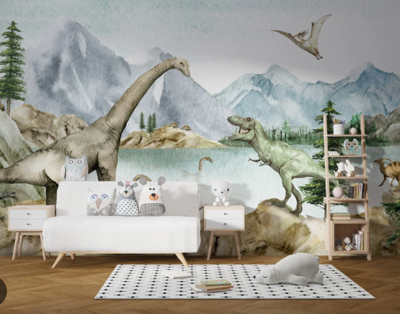
A wallpaper sample can suggest an entire room before a single roll is ordered. A delicate botanical might soften a dining space, while a woven texture could bring warmth to a quiet bedroom. The appeal lies in imagining how that surface will feel around you. Yet a small swatch reveals only part of the effect. Repeated from floor to ceiling, a pattern changes its relationship with furniture, artwork, and architectural details. A print that looks restrained in a sample book may become the room’s strongest feature. A subtle finish may reveal its depth only as daylight moves across it. Choosing well means considering that larger composition. The aim is a room where the walls feel thoughtfully connected to everything around them.
Curtain Call offers wallpaper options ranging from grasscloth and silk to bold prints and murals, alongside professional measuring and installation. For homeowners choosing the right designer wallpaper, a range that wide makes it worth settling on a mood before comparing individual designs. Luxury wallpaper can add quiet texture, while decorative wallpaper can introduce a more expressive focal point. Both deserve careful attention to scale, light, and the condition of the wall beneath. This guide explores those choices alongside the practical details that protect the finished result. You will find checks for pattern repeats, roll quantities, preparation, and care. Professional wallpaper installation also calls for clear decisions about layout and timing. With those details settled, you can select a finish that feels considered, personal, and comfortable to live with over time.
How to choose pattern scale that works across a room
Stand where you usually enter the room before judging a pattern. That first view shows how wallpaper will sit beside your furniture. A large print may read clearly from across an open space. A fine design may blend into texture at the same distance. Neither choice needs to follow a rule about room size alone. What matters is how much visual detail you want to notice.
Request the largest sample available and check the full pattern repeat. This is the distance before the same design starts appearing again. Look at product photos that show several lengths hanging side by side. Hold your sample upright beside trim, flooring, and fabrics you plan to keep. View it in daylight and under the lamps you use at night. Choose designer wallpaper that still appeals when those lighting conditions change.
- Check whether strong shapes compete with art you want to display.
- Compare the background color with nearby painted walls and fixed finishes.
- Allow time to live with the sample before approving your purchase.
Why sound walls matter before installation begins
Guidance from the Centers for Disease Control and Prevention recommends keeping indoor humidity no higher than 50%. It also calls for drying flooded homes within 24 to 48 hours. Mold can grow on wallpaper, drywall, and other damp household materials. Fix leaks and address mold before covering the affected wall. New decorative wallpaper cannot correct the source of a damp patch.
Have the installer inspect the surface before setting a firm start date. Old adhesive, loose paint, and rough repairs can affect the finish. Thin papers may reveal flaws that looked minor on bare walls. Ask whether smoothing, sealing, or a lining paper is needed first. Follow the product guidance for primer, adhesive, and required drying times. Professional wallpaper installation should include a clear plan for these details.
- Allow repairs and primer to dry fully before hanging begins.
- Ask who handles existing coverings and removes leftover adhesive before hanging.
- Confirm that surface preparation appears clearly in the written project quote.
What to confirm before ordering rolls and booking work
A wallpaper scheme is easier to budget when you price the complete project. The paper, pattern match, wall preparation, and installation all contribute to the final cost. Settle these details before approving luxury wallpaper or paying a deposit.
1. Check the usable coverage
Roll lengths and widths vary, so compare dimensions rather than roll counts. Pattern matching can leave offcuts that reduce the coverage you receive. Ask your installer to calculate quantities from the exact product details.
2. Confirm the batch and layout
Request matching batch numbers to reduce the risk of shade differences. Discuss where the pattern starts and where the final join lands. For murals, check the panel plan against doors, corners, and windows.
3. Agree on extras and spare paper
Check whether the quote includes repairs, primer, hanging, and final cleanup. Ask how additional work will be priced if hidden damage appears. Keep labeled spare paper when possible for future repairs or small replacements.
Confirm delivery dates before locking in the installer’s schedule. Inspect the supplied rolls for damage and correct labels upon arrival. Clear ordering details help protect both your budget and the finished result.
How to prepare older walls and protect your new finish
Figures published by the U.S. Environmental Protection Agency show that 87% of homes built before 1940 likely contain lead-based paint, along with 69% of those built from 1940 to 1959 and 24% of those built from 1960 to 1977. The paint may be anywhere in the home, but wall preparation that disturbs it can create hazardous lead dust. In a pre-1978 home, arrange lead assessment or appropriate precautions before work. Use a lead-safe certified contractor when the planned work requires one.
Once installation is complete, learn the care rules for your chosen finish. Washable paper and delicate natural fibers need different methods of cleaning. Grasscloth naturally varies in shade from panel to panel, and that variation is part of its character. Ask to see installed examples before deciding whether that variation suits you. Avoid treating every luxury wallpaper surface as though it were scrub-resistant. Good care starts with knowing what the material can safely tolerate.
- Keep the product label, batch details, and written care instructions together.
- Test any approved cleaning method in a discreet spot before proceeding.
- Report lifting seams early and seek advice before adding household glue.
How a single sample can shape a more personal room
A beautifully finished room begins with a choice that holds your attention beyond the sample book. The pattern should sit comfortably beside your furnishings, while the surface beneath it deserves equally careful preparation. Curtain Call offers wallpaper selection, professional measuring, and installation for projects ranging from a feature wall to a whole room. Before a consultation, gather a room photograph, the samples you return to, and a realistic budget. Include questions about light, upkeep, and the finished layout. Those details help turn an appealing design into a considered decision. Bring your favorite sample to the conversation and explore where its color, texture, or pattern will feel most at home.

(0) comments
We welcome your comments
Log In
Post a comment as Guest
Keep it Clean. Please avoid obscene, vulgar, lewd, racist or sexually-oriented language.
PLEASE TURN OFF YOUR CAPS LOCK.
Don't Threaten. Threats of harming another person will not be tolerated.
Be Truthful. Don't knowingly lie about anyone or anything.
Be Nice. No racism, sexism or any sort of -ism that is degrading to another person.
Be Proactive. Use the 'Report' link on each comment to let us know of abusive posts.
Share with Us. We'd love to hear eyewitness accounts, the history behind an article.