
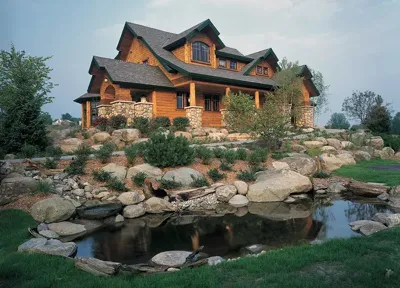

Log home restoration starts with an in-depth evaluation, combining visual inspections with advanced technology such as moisture meters and thermal imaging to uncover concealed problems.
Structural integrity holds paramount importance in log homes. Each log bears weight and adapts to natural movements caused by seasonal variations—expert evaluations are critical in this process.
The log home repair journey encompasses several stages: remediation, treatment, replacing damaged logs, and sealing to guard against moisture infiltration. Additional methods like chinking and resurfacing may also be employed when necessary.
Utilizing top-quality tools and materials—like hydraulic jacks, specialized saws, and eco-friendly wood preservatives—greatly enhances both the effectiveness and visual appeal of log home restoration.
Professional restorations significantly boost a cabin's market appeal and resale value. Homes that are visually attractive attract more potential buyers and can secure higher prices.
Engaging in log home restoration also contributes to improved energy efficiency. By sealing gaps and implementing proper insulation, homeowners can expect reduced energy costs and enhanced temperature regulation year-round.
To maintain log homes, professionals recommend seasonal inspections alongside simple DIY tasks. Regular cleaning, reapplying sealant, and checking caulking are effective ways to extend both the charm and lifespan of the cabin.
The Science Behind Log Home Restoration
How Professionals Assess Log Damage and Wear
Understanding the assessment process forms the foundation of effective log home restoration. Professionals kick things off with a comprehensive visual inspection, scrutinizing every part of the wood for rot, insect infestations, and moisture-related issues. But that's just the beginning. They also often employ advanced technology like moisture meters and thermal imaging cameras, which can reveal underlying problems that might not be discernible at first glance.
Once the initial inspection wraps up, experts typically compile a detailed report. This document details areas that need attention, points out structural weaknesses, and proposes actionable plans for necessary repairs. Log cabins face environmental challenges that can lead to deterioration—from fluctuating temperatures and humidity levels to sunlight exposure.
Damage assessment doesn't just stop at identifying issues; it’s also about evaluating the entire structure's integrity. Each log supports the cabin, so significant wear in one could risk the entire structure. Professionals adopt a holistic view, grasping how each element interacts within the whole system.
Understanding Structural Integrity in Log Cabins
When it comes to log cabins, structural integrity isn’t just jargon; it’s essential. Logs must not only support weight but also allow for seasonal movement. Pros recognize that drying and settling can drastically impact log homes, and they carefully weigh vertical and horizontal cracks that might develop over time.
The inspection of logs and the cabin framework involves a keen eye for issues such as log displacement and spacing. Seasonal movement can be tricky; what appears purely cosmetic can lead to serious structural concerns.
Expertise goes beyond inspection, however. Professionals know that different wood species bring various vulnerabilities to pests and moisture. This knowledge plays a crucial role in shaping restoration strategies.
Effective log home repair depends on a deep understanding of how environmental forces interact with wood.
Unveiling the Restoration Process: What to Expect
Step-by-Step Breakdown of Common Repair Techniques
The log home restoration process is made up of several pivotal steps. Clients typically receive a structured plan that details each phase. It often kicks off with remediation, which entails treating affected areas with specialized solutions to eradicate pests and rot.
Preparation: This involves clearing the area, eliminating obstacles, and readying logs for treatment.
Treatment: Application of anti-fungal and insecticidal solutions ensures long-lasting protection.
Replacement: For logs too far gone to be repaired, precise replacement with new materials is necessary to maintain aesthetic consistency.
Sealing: After completing repairs, a high-quality sealant is applied to ward off moisture intrusion and provide UV protection.
Yet, that’s just a glimpse. Each log home repair project can incorporate additional techniques. For example, certain cabins may require chinking to fill gaps between logs, while others might need sanding or resurfacing for visual enhancement.
Tools and Materials That Make a Difference
The right tools can have a huge impact on the outcome of a project. Professionals generally arrive equipped with high-quality tools specifically designed for their tasks, such as hydraulic jacks for lifting logs, specialized saws for accurate cuts, and pneumatic tools for effective chinking.
Moreover, materials used are crucial as well. Experts advocate for top-tier wood preservatives and natural oils that penetrate deeply into the wood grain, protecting logs from moisture and pests while also highlighting their natural beauty.
Moisture meters: Vital for gauging the wood's moisture content and ensuring ideal repair conditions.
Thermal imaging cameras: Useful for spotting hidden issues like moisture damage and air leaks.
Chinking supplies: Options like synthetic and natural variants offer durability and flexibility.
Additionally, some professionals implement eco-friendly products, aligning their restoration practices with sustainability. This not only enhances safety but also supports environmental health.
Long-Term Benefits of Professional Log Home Repair
Boosting Curb Appeal and Resale Value
Professional restoration can significantly enhance a cabin's curb appeal. A well-maintained log home stands out in the marketplace, attracting the interest of potential buyers. It’s noteworthy that restored log homes often fetch premium prices, and real estate agents frequently showcase freshly renovated houses as standout listings.
Not only that, but a visually pleasing cabin contributes to a sense of tranquility and comfort. Owners take pride in maintaining an inviting space, which fosters a sense of belonging within the community. Who wouldn’t want to showcase a beautiful log structure to family and friends? The aesthetic value transcends mere appearance; it influences every component of the homeowner's living experience.
Enhancing Energy Efficiency in Your Cabin
Energy efficiency is a key issue that professionals tackle during log home repair. When done correctly, renewals lead to improved insulation and decreased energy costs over time. Sealing gaps and applying proper insulation are vital steps in achieving this goal.
It's also important to mention that modern treatments emphasize the thermal dynamics of log homes. A properly restored home retains heat effectively during winter while staying comfortably cool in summer months. Homeowners frequently notice a significant drop in energy bills following completion of restoration efforts.
With responsible restoration practices, log homes can achieve energy efficiency comparable to traditional buildings.
Expert Tips for Maintaining Your Log Home Post-Restoration
Seasonal Inspections: A Proactive Approach
Even after a recent restoration, fostering a proactive maintenance strategy is key to ensuring long-lasting results. Seasonal inspections are essential. Homeowners should check for signs of moisture, insect presence, and wood decay. Regular evaluations can pinpoint problems before they worsen, making repairs more cost-effective.
Spring: A post-winter inspection checks for damage inflicted by ice or snow.
Summer: Inspect for pests that thrive in warm weather and verify that seals are intact.
Fall: Prepare for winter by cleaning gutters and assessing drainage systems.
Winter: Monitor indoor humidity levels to prevent wood from warping.
By adhering to this schedule, homeowners stand to enjoy reduced costs down the line. Early detection of minor issues can avert expensive repairs later on.
DIY Maintenance: What Homeowners Can Handle
While professionals are better suited for larger repairs, homeowners certainly can partake in some DIY maintenance tasks. Simple activities can yield substantial benefits and help forge a stronger connection with the log structure. For example, regular cleaning is a proactive way to prevent mildew and rot.
Washing Logs: Use a soft brush and mild soap for cleaning. Avoid harsh chemicals that may harm the wood.
Reapplying Sealant: Regular applications of a quality sealant maintain moisture barriers effectively.
Checking Caulking: Inspect and replace any damaged caulking in joints susceptible to water intrusion.
Even with minimal tools, these tasks provide homeowners a strong sense of ownership. Proper DIY maintenance can extend the cabin’s lifespan while preserving its unique charm. Small efforts often lead to significant long-term benefits.
FAQ
What types of wood are most commonly used in log home construction?
Various wood species offer distinct advantages for log home construction. Pine and cedar stand out for their natural resistance to decay and pests, whereas spruce is valued for its strength and stability. Professionals often choose wood types based on climate conditions, local availability, and the specific aesthetic preferences of the homeowner.
How does climate affect the maintenance of a log home?
Climate has a vital impact on log home upkeep. Regions with high humidity may necessitate more frequent inspections for mold and moisture issues, while dry areas could see cracking due to extreme aridity. Acquainting themselves with local weather patterns enables homeowners to effectively tailor their maintenance strategies.
What are the signs that a log home needs professional repair?
Homeowners should remain observant for several key indicators. Signs can include clear log deterioration, discoloration or dark spots which suggest water damage, and noticeable gaps between logs. If seasonal inspections uncover persistent concerns, enlisting professionals for a thorough evaluation may be warranted.
Can log home repairs be done in winter?
Winter repairs can pose challenges but aren't wholly unfeasible. Certain tasks, like sealing and caulking, can still proceed if conditions allow. However, professionals typically advise postponing extensive repairs until the warmer months to achieve optimal results and material application.
How long can homeowners expect a restoration to last?
The durability of a restoration hinges largely on the quality of materials used and the maintenance provided afterward. Typically, a well-executed restoration can endure for decades with the right upkeep. Regular maintenance is crucial in ensuring resilience and consistent performance.
What eco-friendly options are available for log home repair?
Many professionals offer eco-friendly materials today, such as natural oils and non-toxic preservatives that protect logs without the use of harmful chemicals. Additionally, practices like recycling old logs or sourcing woods sustainably can further lessen the environmental impact of a restoration.
How does professional restoration affect insurance coverage for log homes?
Investing in professional restoration can have a positive effect on insurance coverage. A well-maintained log home may qualify for lower premiums since it minimizes the risk associated with damage. Homeowners should engage with their insurance agents to understand how restorations can improve their coverage options.
What should homeowners do if they notice insect activity in their log home?
Immediate action is essential upon discovering signs of insect activity. Homeowners ought to reach out to pest control experts as soon as possible to assess the severity of the issue. Quick intervention could prevent further damage and help sustain the home's structural integrity.

(0) comments
We welcome your comments
Log In
Post a comment as Guest
Keep it Clean. Please avoid obscene, vulgar, lewd, racist or sexually-oriented language.
PLEASE TURN OFF YOUR CAPS LOCK.
Don't Threaten. Threats of harming another person will not be tolerated.
Be Truthful. Don't knowingly lie about anyone or anything.
Be Nice. No racism, sexism or any sort of -ism that is degrading to another person.
Be Proactive. Use the 'Report' link on each comment to let us know of abusive posts.
Share with Us. We'd love to hear eyewitness accounts, the history behind an article.