

Hamilton winters can put steady pressure on a home's heating system, especially in properties with older ductwork, drafty additions, finished basements, or rooms above garages. A little preparation before a cold stretch can help homeowners find comfort problems early, make everyday heating more consistent, and avoid waiting for a no-heat situation.
If repair costs are adding up or a furnace is no longer delivering dependable heat, it helps to compare replacement choices before an emergency. Installing a new furnace in Hamilton through Enbridge Sustain is one local option for homeowners reviewing high-efficiency gas, electric, and hybrid heating solutions. Its Hamilton service page describes installations delivered through licensed and insured technician partners for homes from Ancaster to Stoney Creek, making it a useful reference point when assessing equipment, service scope, and local installation needs.
1. Start With a Seasonal Check
Run one complete heating cycle before the coldest part of the season. Listen for banging, grinding, rattling, or squealing. Notice whether the furnace starts normally, whether warm air reaches the rooms you use most, and whether it shuts off and restarts unusually often. A brief dusty smell can occur when a system is first turned on after a long break, but a persistent burning, fuel, or exhaust-like odour deserves professional attention.
Homeowners can observe performance, check accessible filters, and confirm thermostat settings. They should not remove furnace panels or attempt repairs involving gas lines, electrical components, burners, venting, or safety controls.
2. Improve Airflow Before Raising the Thermostat
A furnace can be operating correctly while poor airflow leaves parts of the home feeling cold. Start with the filter. The U.S. Department of Energy notes that a dirty or clogged filter can reduce airflow, increase run time, and add wear to the blower motor. Check the manufacturer's instructions for the correct filter type and replacement interval.
- Replace a visibly loaded filter with the correct size and orientation.
- Keep return-air grilles clear of furniture, storage bins, and rugs.
- Confirm that supply vents are open and not blocked by curtains or furnishings.
- Look for crushed, disconnected, or damaged accessible ducts in basements and attics.
- Ask a qualified technician to assess duct leakage, pressure balance, or persistent weak airflow.
3. Stop Heat From Escaping
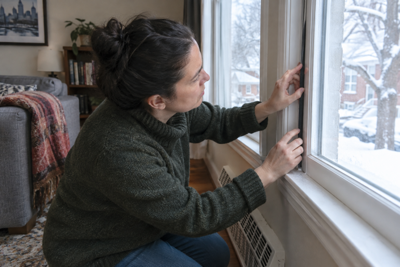
Heating equipment is only one part of home comfort. In Hamilton's varied housing stock, drafts around a century-home window, a poorly sealed attic hatch, or a basement rim joist can make a room feel cold even when the thermostat is set correctly. Addressing obvious gaps may reduce drafts and help rooms hold heat longer.
Inspect weatherstripping around exterior doors, caulking around stationary window frames, gaps where pipes and wiring enter the house, and insulation above unfinished areas. Cold floors over garages and chilly basement rooms can also point to insulation or air-sealing issues. If simple improvements do not resolve a comfort problem, a home energy assessment can help identify where heat loss is occurring.
4. Review Furnace and Carbon Monoxide Safety
Fuel-burning appliances can produce carbon monoxide when fuel does not burn completely. Ontario homes with a fuel-burning appliance, fireplace, or attached garage may require carbon monoxide alarms, and provincial guidance addresses alarm placement near sleeping areas and on applicable storeys. Review Ontario's carbon monoxide safety requirements for details that apply to the home's layout and heating arrangement.
- Test each carbon monoxide alarm using its test button.
- Replace batteries and alarms according to the manufacturer's instructions.
- Keep exterior furnace intake and exhaust areas clear of snow, ice, leaves, and stored items.
- Never use an oven, barbecue, or portable generator to heat indoor spaces.
- Leave the home and call emergency services if a carbon monoxide alarm sounds.
5. Know When Replacement Deserves Consideration
A furnace does not need replacement simply because it has reached a certain age. The more useful question is whether it continues to provide safe, even, and reasonably reliable heat. A newer system with one isolated repair may be worth fixing. A system with recurring issues or declining comfort may justify a broader comparison.
- Repairs are becoming frequent or increasingly expensive.
- Some rooms stay cold despite open vents and a clean filter.
- The furnace runs in short, repeated cycles.
- Replacement parts are difficult to obtain.
- A technician identifies a combustion, venting, or heat-exchanger concern.
- A major repair would consume a substantial portion of the replacement budget.
6. Compare Heating Options
High-Efficiency Gas Furnaces
Homes with natural gas service and ductwork often use gas furnaces. AFUE ratings describe how efficiently a furnace converts fuel into heat over a season, but they do not account for every influence on comfort. Duct condition, insulation, thermostat settings, and installation quality still affect results.
Electric Furnaces
Electric furnaces may suit homes without natural gas service or properties designed around electric heating. Operating costs depend on electricity pricing, the home's heat loss, equipment size, and how much the system runs during the season.
Hybrid Systems
A hybrid system pairs a heat pump with a furnace. The heat pump can provide heating during milder weather, while the furnace can operate when conditions and system controls call for it. Electrical capacity, ductwork, insulation, and household comfort goals should all be reviewed before choosing this approach.
7. Understand the Installation Process
A detailed quote should show more than a furnace model number. A quality installation process generally includes a home assessment, a heat-loss calculation, equipment selection, safe removal of old equipment, and testing after installation. The contractor should also explain filter access, thermostat operation, warranty terms, and maintenance needs.
When time allows, compare several itemized quotes. Look for the equipment capacity and efficiency rating, labour, permits where required, venting or drain work, thermostat changes, duct modifications, removal of the old unit, and follow-up service. Proper sizing is especially important because a furnace that is too large can cycle frequently and may not provide the most even comfort.
8. Common Hamilton Heating Questions
How often should a furnace be serviced?
Arrange service before the main heating season, particularly if the furnace has made unusual noises, shown inconsistent performance, or required repairs in the past. A trained technician can inspect components that should not be handled by homeowners.
Is a new furnace the answer to cold rooms?
Not always. Cold rooms may result from air leaks, inadequate insulation, blocked vents, duct problems, thermostat placement, or an incorrectly sized system. Diagnosis should come before replacement.
Does a larger furnace heat better?
No. Bigger is not automatically better. The goal is a system selected for the home's actual heating load, ductwork, and layout.
Create a Warmer Winter Plan
Hamilton homeowners can approach winter with more confidence by checking the furnace early, improving airflow, sealing obvious drafts, testing carbon monoxide alarms, and reviewing repair or replacement decisions before a breakdown occurs. The strongest heating plan balances safety, comfort, equipment sizing, installation quality, and ongoing maintenance.

(0) comments
We welcome your comments
Log In
Post a comment as Guest
Keep it Clean. Please avoid obscene, vulgar, lewd, racist or sexually-oriented language.
PLEASE TURN OFF YOUR CAPS LOCK.
Don't Threaten. Threats of harming another person will not be tolerated.
Be Truthful. Don't knowingly lie about anyone or anything.
Be Nice. No racism, sexism or any sort of -ism that is degrading to another person.
Be Proactive. Use the 'Report' link on each comment to let us know of abusive posts.
Share with Us. We'd love to hear eyewitness accounts, the history behind an article.