
Maintaining your home's HVAC and plumbing systems isn't just about fixing things when they break; it's a proactive strategy that delivers a multitude of benefits, particularly for homeowners in Salt Lake City. Regular attention to these critical systems ensures not only your comfort but also your safety and financial well-being.
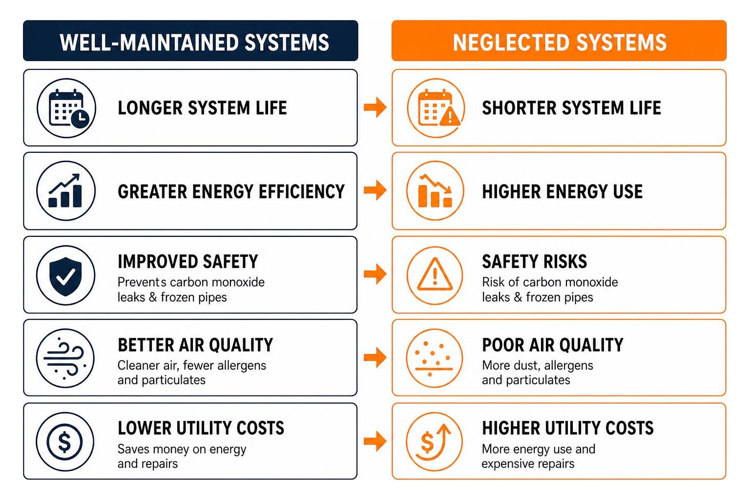
One of the primary advantages of consistent maintenance is system longevity. Just like a car, a furnace or water heater that receives regular tune-ups and inspections will typically last longer than one that is neglected. Technicians can identify and address minor issues before they escalate into major, costly repairs or premature system failure. This extends the useful life of your significant home investments.
Furthermore, well-maintained systems contribute significantly to energy efficiency. Over time, components can become dirty, misaligned, or worn, forcing your furnace or air conditioner to work harder to achieve the desired temperature. This increased effort translates directly into higher energy consumption. Regular cleaning and calibration ensure your systems operate at their peak efficiency, reducing your carbon footprint and, importantly, lowering your monthly utility bills. For Salt Lake City residents, where heating and cooling demands can fluctuate dramatically with the seasons, optimizing efficiency is crucial.
Safety is another paramount concern, especially when it comes to heating systems. A critical benefit of routine furnace maintenance is the prevention of dangerous issues like carbon monoxide leaks. Technicians inspect heat exchangers for cracks and ensure proper ventilation, safeguarding your household from this odorless, colorless, and potentially deadly gas. Similarly, plumbing maintenance can prevent hazards like frozen pipes, a common and destructive problem in Utah's colder months. By insulating exposed pipes and addressing potential vulnerabilities before winter sets in, homeowners can avoid burst pipes and the extensive water damage they cause.
Beyond safety and efficiency, proactive care also enhances your home's air quality. Furnaces, especially, circulate air throughout your home. Dirty filters and uncleaned ductwork can become breeding grounds for dust, allergens, and other particulates, diminishing indoor air quality. Regular filter changes and professional duct cleaning can significantly improve the air you breathe, which is particularly beneficial for those with allergies or respiratory sensitivities.
All these benefits culminate in substantial utility savings. By extending equipment lifespan, maximizing energy efficiency, and preventing expensive emergency repairs, homeowners save money in both the short and long term. Investing a small amount in routine maintenance can prevent much larger expenditures down the road.
To illustrate the stark contrast, consider the following comparison:

Best Practices for Seasonal HVAC and Plumbing Maintenance
For Salt Lake City homeowners, adapting maintenance practices to the specific demands of each season is key. Proactive steps can significantly reduce the likelihood of unexpected breakdowns and ensure your home remains comfortable year-round.
A fundamental practice for HVAC systems is regular filter changes. During peak heating and cooling seasons, filters can become clogged quickly, restricting airflow and straining your system. We recommend checking filters monthly and replacing them every 1-3 months, depending on usage and household factors like pets or allergies. This simple task dramatically improves air quality and system efficiency.
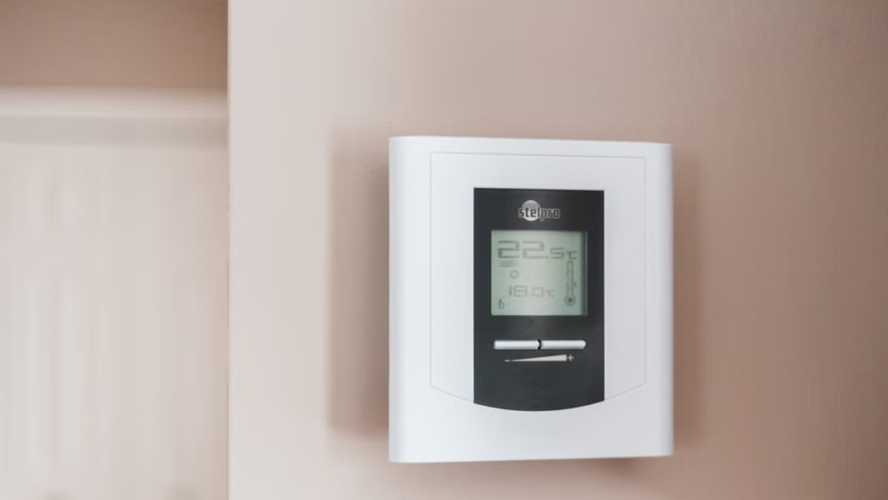
Thermostat calibration is another vital step. An improperly calibrated thermostat can lead to your system running unnecessarily or failing to maintain desired temperatures, wasting energy. Many modern smart thermostats offer self-calibration features, but for older models, a professional can ensure accuracy.
For plumbing, preparing for winter is critical. Pipe insulation for exposed pipes in unheated areas like basements, crawl spaces, and garages is a must to prevent freezing. Additionally, disconnecting and draining outdoor hoses and turning off and draining outdoor spigots (hose bibs) before the first hard freeze can prevent burst pipes and costly water damage.
While filter changes are a DIY task, professional services like duct cleaning are recommended periodically, typically every 3-5 years, or more frequently if you have pets, allergies, or have recently completed a home renovation. Clean ducts contribute to better air quality and system efficiency.
As seasonal transitions occur, scheduling professional tune-ups becomes paramount. A fall furnace tune-up ensures your heating system is ready for the intense Salt Lake City winter, while a spring AC tune-up prepares your cooling system for the summer heat. These appointments address wear and tear, clean components, and verify proper operation.

Cost Savings from Proactive HVAC and Plumbing Maintenance
The financial benefits of proactive HVAC and plumbing maintenance are often underestimated. While there's an upfront cost associated with regular service, these expenditures are typically dwarfed by the potential savings and avoided expenses.
The most immediate and noticeable saving comes from reduced utility bills. As discussed, a well-maintained furnace or air conditioner operates more efficiently, consuming less energy to heat or cool your home. This translates directly into lower monthly gas and electricity costs, providing a tangible return on your maintenance investment.
Crucially, regular maintenance is the best defense against expensive repair prevention. Technicians can spot small issues—like a loose wire, a worn belt, or a minor leak—and address them before they escalate into major component failures. Replacing a small part during a routine service is far less costly than, for example, replacing a compressor or repairing extensive water damage from a burst pipe.
Extending equipment lifespan is another significant financial advantage. Furnaces and water heaters are substantial investments. By ensuring they are properly cared for, you can delay the need for premature replacement by several years, saving thousands of dollars. A furnace that lasts 15-20 years instead of 10-12 years represents considerable savings.
Furthermore, many HVAC and plumbing system warranties require documented annual professional maintenance for warranty compliance. Neglecting routine service could void your warranty, leaving you fully responsible for the cost of major repairs that would otherwise be covered.
Finally, a home with well-maintained, efficient HVAC and plumbing systems holds greater home value. Should you decide to sell your property, prospective buyers will appreciate the peace of mind that comes with knowing these critical systems are in excellent working order, potentially increasing your home's marketability and value. For more insights into maintaining your home's essential systems, consider exploring resources on comprehensive HVAC and plumbing services.
Recognizing Critical Warning Signs and Repair Needs
Even with diligent maintenance, mechanical systems can develop problems. Recognizing the early warning signs of furnace or plumbing issues can save you from more extensive damage, higher repair costs, and prolonged discomfort. Being attuned to your home's systems allows you to call for professional help before a minor issue becomes a major emergency.
One of the clearest indicators of trouble is when your system triggers diagnostics or error codes. Modern furnaces and smart thermostats often have built-in diagnostic capabilities that display specific codes when a fault is detected. Consult your owner's manual or call a professional immediately if you see such alerts.

Unusual warning sounds are another common red flag. Furnaces, water heaters, and pipes should generally operate quietly. Any new or unusual noises—such as grinding, squealing, banging, clanking, or whistling—warrant investigation. These sounds often indicate worn-out parts, loose components, or blockages.
Changes in airflow restrictions from your vents or inconsistent water pressure throughout your home are also signs that something is amiss. Reduced airflow can point to a clogged filter, blocked ducts, or a failing blower motor, while fluctuating water pressure might indicate pipe blockages, leaks, or issues with your water heater.
A furnace that is short cycling—turning on and off frequently without completing a full heating cycle—is inefficient and can indicate a variety of problems, from a faulty thermostat to an overheating system. Similarly, a water heater that runs constantly or struggles to provide hot water needs attention.
Heating System Indicators Requiring Professional Attention
When it comes to your furnace, certain indicators are particularly urgent and demand immediate professional assessment to ensure both safety and operational efficiency.
A yellow pilot light (for gas furnaces) is a serious warning sign. A healthy pilot flame should be blue. A yellow or orange flame indicates incomplete combustion, which can produce carbon monoxide. If you see a yellow pilot, turn off your furnace and call an HVAC professional immediately.
Beyond general warning sounds, specific unusual noises from your furnace can pinpoint problems. A persistent squealing often means a worn-out blower belt. Grinding or scraping sounds could indicate a failing motor bearing. Loud bangs or pops could be delayed ignition, which can be dangerous.
Uneven heat distribution, where some rooms are warm and others remain cold, suggests issues with airflow, ductwork, or even the furnace itself struggling to adequately heat your home. This not only causes discomfort but also wastes energy as the furnace works harder to compensate.
A complete blower failure means no air is moving through your vents, even if the furnace is otherwise attempting to heat. This can be due to a faulty motor, capacitor, or relay and will quickly lead to a cold home.
Finally, delayed ignition is a dangerous problem where gas builds up in the combustion chamber before igniting, leading to a small explosion. This puts stress on the system and can damage the heat exchanger. Any signs of this, such as a loud bang when the furnace starts, require immediate professional inspection. Electrical faults, such as frequently tripped breakers connected to your furnace, also signal a need for expert intervention to prevent further damage or fire hazards.
Plumbing Red Flags and Moisture Risks
Plumbing issues, if ignored, can quickly lead to significant water damage and health concerns. Being vigilant about these red flags can save you immense trouble.
Slow drainage in sinks, tubs, or showers is a common early indicator of a developing clog. While a minor clog might be a DIY fix, persistent slow drains or multiple fixtures draining slowly suggest a deeper blockage in your main sewer line, requiring professional snaking or hydro-jetting.
The phenomenon known as water hammer—a loud banging or thumping sound in your pipes when water is turned on or off—indicates pressure surges. While often harmless, chronic water hammer can loosen pipes and connections over time, potentially leading to leaks.
Even minor leaks, such as a dripping faucet or a small puddle under a sink, should not be ignored. A seemingly insignificant drip can waste hundreds of gallons of water annually and, more importantly, can lead to mold growth, wood rot, and structural damage if left unaddressed.
Water discoloration (brown, yellow, or rusty water) or changes in taste or odor can signal issues within your plumbing system, such as corroding pipes, sediment buildup in your water heater, or even problems with your main water supply.
A sudden or gradual drop in pressure drops throughout your home can indicate a significant leak somewhere in your system, a problem with your water main, or issues with your water heater.
Finally, persistent sewer odors indoors are a clear sign of a problem. These odors can indicate a dry P-trap, a cracked sewer pipe, or a blocked vent pipe, allowing noxious gases to enter your home. These gases are not only unpleasant but can also pose health risks.
Professional Service Standards and Repair Considerations
When your furnace or plumbing system requires attention, choosing a professional service provider with high standards is paramount. Quality service ensures effective repairs, lasting solutions, and the safety of your home and family.
A reputable company will always begin with thorough diagnostic protocols. This involves more than just a quick look; technicians use specialized tools and their expertise to accurately identify the root cause of the problem, rather than just treating symptoms. This precision prevents unnecessary repairs and ensures the problem is solved correctly the first time.
Many repair services, especially for furnaces, include a comprehensive multi-point tune-up as part of their diagnostic and repair process. This involves inspecting numerous components, cleaning, lubricating, and making minor adjustments to optimize performance.
Crucially, safety checks are an integral part of any professional furnace repair. This includes inspecting the heat exchanger for cracks (which can leak carbon monoxide), ensuring proper ventilation, and verifying the integrity of gas lines and electrical connections. For gas furnaces, proper combustion and venting are critical for safety.
Electrical testing of components like motors, capacitors, and wiring is also standard practice. Faulty electrical components can lead to system failures, fire hazards, and inefficient operation.
Repair Versus Replacement Decisions
One of the most challenging decisions for homeowners is whether to repair a failing system or opt for a full replacement. This choice often hinges on several factors, balancing immediate costs with long-term value.
The primary consideration is equipment age. Furnaces typically have a lifespan of 15-20 years, while water heaters range from 8-12 years. If your system is approaching or has exceeded its typical lifespan, replacement often makes more financial sense than pouring money into an aging unit.
A common guideline is the 50 percent rule: if the cost of the repair is 50% or more of the cost of a new system, replacement is generally the more economical choice. This rule helps prevent throwing good money after bad.
Beyond immediate costs, consider energy performance. Older systems are significantly less energy-efficient than modern, high-efficiency models. A new furnace or water heater, despite its upfront cost, can lead to substantial savings on utility bills over its lifetime, offering significant long-term value.
Finally, frequent breakdowns are a strong indicator that replacement might be imminent. If you're calling for repairs multiple times a year, the cumulative cost and inconvenience can quickly outweigh the cost of a new, reliable system.
Selecting Qualified Technicians
Choosing the right furnace repair company in Salt Lake City is crucial for ensuring quality service and peace of mind. Homeowners should look for specific certifications and qualities to ensure they are hiring competent and reliable professionals.
One of the most respected certifications in the HVAC industry is NATE certification (North American Technician Excellence). NATE-certified technicians have demonstrated a high level of knowledge and skill in specific areas of HVAC service and installation. This certification indicates a commitment to professional excellence.
For technicians working with refrigerants (relevant for AC repairs, but often part of a comprehensive HVAC technician's skillset), EPA 608 licensing is a legal requirement. This ensures they are trained in proper refrigerant handling to protect the environment.
Local experience is invaluable, especially in Salt Lake City. Technicians familiar with the specific climate challenges, common local building codes, and typical system configurations in the area can often diagnose and resolve issues more efficiently.
Always inquire about warranty coverage on both parts and labor for any repairs performed. Reputable companies stand behind their work and offer guarantees on their services, providing an extra layer of protection for homeowners.
Finally, consider emergency availability. Furnace breakdowns rarely happen at convenient times. A company that offers 24/7 or after-hours emergency furnace repair services in Salt Lake City can be a lifesaver during a winter cold snap.
Frequently Asked Questions About Home Systems
Homeowners often have similar questions about maintaining and repairing their HVAC and plumbing systems. Addressing these common inquiries can provide valuable clarity and empower you to make informed decisions.
How often should home heating and plumbing systems be serviced?
For optimal performance and longevity, annual tune-ups are highly recommended for your furnace. This typically occurs in the fall, before the heating season begins. Similarly, your air conditioning unit should receive an annual tune-up in the spring.
For plumbing, while annual comprehensive checks aren't always necessary, bi-annual servicing or seasonal checkups are beneficial. This might involve checking for leaks, inspecting water heaters, and preparing outdoor plumbing for winter. Regular filter rotations for your furnace are also key, often every 1-3 months. Beyond professional service, homeowners should perform their own seasonal checks, such as inspecting outdoor spigots, draining hoses, and ensuring proper ventilation. These routine checks are vital for overall system safety checks.
What are the indicators that a furnace should be replaced rather than repaired?
Several key indicators suggest that a furnace is nearing the end of its useful life and replacement might be more prudent than continued repairs. If your furnace is over its typical fifteen-year lifespan, it's generally a candidate for replacement. As furnaces age, their efficiency declines, and components wear out more frequently.
When repair costs start to escalate, especially if a single repair costs more than 50% of the price of a new unit, it's a strong sign to replace. Frequent breakdowns, where you're calling for service multiple times a season, also indicate an aging system that is becoming unreliable.
Perhaps the most critical indicator is a cracked heat exchanger. This component is essential for separating combustion gases from the breathable air in your home. A cracked heat exchanger can leak carbon monoxide, posing a serious health risk. Repairing or replacing a cracked heat exchanger is often very expensive, making replacement of the entire furnace the safer and more cost-effective option.
Finally, if you notice rising utilities despite consistent usage, it often means your furnace's efficiency has significantly degraded. A new, high-efficiency model could drastically reduce your energy consumption and associated costs.
What certifications should homeowners look for in service technicians?
When entrusting your home's critical systems to a professional, verifying their qualifications is essential. For HVAC technicians, the NATE certification (North American Technician Excellence) is a gold standard, indicating a high level of expertise in specific HVAC specialties.
For any work involving refrigerants, such as air conditioning repairs, technicians must hold an EPA 608 certification, which demonstrates their knowledge of safe refrigerant handling practices. Beyond these, homeowners should look for technicians who are backed by proper state licensing (where applicable) and whose company carries adequate liability insurance. This protects you in case of accidents or damage during service.
Additionally, technicians who have undergone manufacturer training for specific brands or types of equipment are often better equipped to diagnose and repair those systems effectively. These certifications and qualifications ensure that you are hiring a competent, safe, and reliable professional for your furnace and plumbing needs.
Maintaining the essential systems of your Salt Lake City home is a continuous process that yields significant rewards. By embracing proactive care, you not only ensure the comfort and safety of your family but also protect your financial investment. Regular maintenance helps extend the life of your furnace and plumbing, improves energy efficiency, and prevents costly emergency repairs, especially as we head into the colder months of late 2026.
Being aware of the warning signs that indicate a need for professional attention, understanding when to repair versus replace, and knowing what qualifications to seek in a technician are all crucial steps in responsible homeownership. Prioritizing seasonal preparedness and investing in professional HVAC and plumbing services contributes to lower utility bills, cleaner indoor air, and overall greater home value. A well-maintained home means peace of mind, knowing that your systems are reliable and ready to keep you comfortable through every season.

(0) comments
We welcome your comments
Log In
Post a comment as Guest
Keep it Clean. Please avoid obscene, vulgar, lewd, racist or sexually-oriented language.
PLEASE TURN OFF YOUR CAPS LOCK.
Don't Threaten. Threats of harming another person will not be tolerated.
Be Truthful. Don't knowingly lie about anyone or anything.
Be Nice. No racism, sexism or any sort of -ism that is degrading to another person.
Be Proactive. Use the 'Report' link on each comment to let us know of abusive posts.
Share with Us. We'd love to hear eyewitness accounts, the history behind an article.