
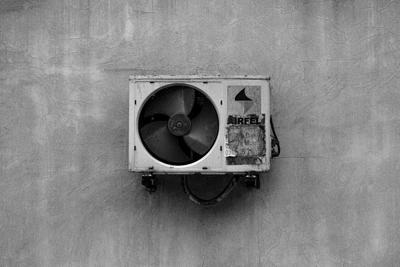
A failing HVAC system can put homeowners in a difficult position when it is time to sell. Heating and cooling equipment plays a major role in a home's comfort, and buyers often pay close attention to its condition during showings and inspections. When an HVAC system is nearing the end of its lifespan, many sellers face a common question: should they invest in repairs or replacement, or sell the property as-is?

There is no universal answer. Every situation depends on factors such as the system's age, repair costs, local market conditions, and how quickly the homeowner wants to sell. Taking a closer look at these factors can help you make a decision that aligns with your goals and budget.
When an Aging System Starts Stealing the Spotlight
Most HVAC systems are built to last between 10 and 20 years. Over time, wear and tear can reduce efficiency and increase the likelihood of breakdowns. What once worked reliably may start becoming a regular source of frustration.
Some warning signs are easy to spot:
- Higher utility bills without a clear explanation
- Uneven temperatures throughout the house
- Weak airflow from vents
- Frequent repairs within a short period
- Strange noises during operation
An older HVAC system can also become a concern during the selling process. Buyers often view major mechanical systems as indicators of how well a property has been maintained. If the equipment appears neglected or outdated, it may influence their perception of the home.
Pro Tip: Keep service records organized. Maintenance documentation can help demonstrate that the system has been cared for over the years.
Taking Stock Before Making Repairs
Before spending money on repairs, it is worth getting a professional inspection. A qualified HVAC technician can determine whether the issue is minor or whether larger components are approaching failure.
In many cases, a relatively affordable repair can improve performance and eliminate concerns that might arise during a buyer's inspection. Replacing a thermostat, capacitor, or other small component may be enough to keep the system operating smoothly until the sale is complete.
For homeowners who prefer a simpler route, companies like Blues City Homebuyers often purchase houses in their current condition, allowing sellers to avoid major repair projects before closing.
Repair decisions should always be based on realistic costs. If one repair leads to another and expenses continue to grow, investing more money into an aging system may not deliver a meaningful return when the property sells.
Giving Your Listing a Mechanical Makeover
Sometimes replacing the HVAC system can make a property more attractive to buyers. New equipment can provide peace of mind and reduce concerns about future maintenance expenses.
A replacement may be worth considering when the existing system is extremely old, no longer functioning properly, or likely to raise red flags during inspections. Buyers often appreciate knowing that a major household system has already been updated.
At the same time, HVAC replacements are not inexpensive. Depending on the size of the home and the type of equipment required, installation costs can be substantial. Sellers should evaluate whether the expected increase in buyer interest justifies the investment.
Market conditions can also influence the decision. In a competitive seller's market, buyers may be more willing to overlook an aging system. In slower markets, updated features can help a property stand out from similar listings.
Buyer Confidence and the Condition Question
Many homeowners assume an older HVAC system will immediately scare buyers away. In reality, buyers often focus on the bigger picture. An aging system is only one factor among many that influence purchasing decisions.
Honesty and transparency tend to go a long way. If the system is older, providing accurate information about its condition can help build trust. Buyers generally appreciate knowing what they are walking into rather than discovering surprises later.
Some buyers may request repair credits or negotiate a lower purchase price. Others may already plan to renovate the home and replace older systems after taking ownership.
Inspection reports often shape the conversation. If the HVAC system is still operating safely and reasonably well for its age, buyers may view it as a future project rather than a deal-breaking issue.
Skipping Repairs Without Losing Momentum
Selling a property as-is means placing it on the market without committing to repairs or upgrades before closing. Buyers understand they are purchasing the home in its current condition.
This approach appeals to many homeowners facing tight timelines, inherited properties, financial limitations, or homes with multiple maintenance concerns. It removes the need to coordinate contractors and manage improvement projects before selling.
Pricing plays a major role in the success of an as-is sale. Buyers generally expect the asking price to reflect the property's condition and any future work they may need to complete.
Providing maintenance records, inspection reports, and repair estimates can still add value. Even when selling as-is, buyers appreciate having information that helps them evaluate potential future expenses.
Looking Beyond the Repair Bill
Repair costs are only one part of the equation. Homeowners should also consider time, convenience, and overall financial outcomes. Scheduling repairs can take weeks, depending on contractor availability and equipment needs. If your goal is to move quickly, these delays may create unnecessary complications.
Stress is another factor worth considering. Coordinating inspections, estimates, repairs, and follow-up visits requires time and attention. Some homeowners prefer a simpler sale process rather than managing multiple projects before listing. Available funds also matter. Spending thousands of dollars on repairs or replacement may not fit every homeowner's financial situation, making the as-is route a more practical choice.
Finding Your Best Exit Strategy
A failing HVAC system does not automatically mean you need to replace it before selling your home. In some situations, a modest repair can improve buyer confidence and support a smoother transaction. In others, selling as-is may save time, money, and effort.
The best approach depends on the age of the system, the estimated repair costs, local market conditions, and your personal goals. By reviewing your options carefully and weighing both financial and practical considerations, you can choose a strategy that makes sense for your situation and move forward with confidence.
Pro Tip: Make decisions based on your timeline, budget, and priorities rather than assuming every buyer expects a brand-new HVAC system.
FAQ
Q1: How do I know if my HVAC system needs repairs or replacement?
Answer: Look for signs like higher utility bills, uneven temperatures, weak airflow, frequent repairs, or strange noises. A professional inspection can also help determine the condition of your system and whether repairs are necessary.
Q2: Should I sell my home as-is if my HVAC system is failing?
Answer: Selling as-is can be a good option if you're facing a tight timeline or financial limitations. Just keep in mind that buyers will expect the price to reflect the property's condition, and providing maintenance records can help them understand potential future expenses.
Q3: Will replacing my HVAC system increase my home's value?
Answer: A new HVAC system can make your home more attractive to buyers and provide peace of mind, especially in competitive markets. However, weigh the installation costs against the potential increase in buyer interest to see if it’s worth the investment.
Q4: How can I make my aging HVAC system more appealing to buyers?
Answer: Being honest about its condition and providing detailed maintenance records can build trust with buyers. If the system is still functioning well, they may view it as a future project rather than a dealbreaker.

(0) comments
We welcome your comments
Log In
Post a comment as Guest
Keep it Clean. Please avoid obscene, vulgar, lewd, racist or sexually-oriented language.
PLEASE TURN OFF YOUR CAPS LOCK.
Don't Threaten. Threats of harming another person will not be tolerated.
Be Truthful. Don't knowingly lie about anyone or anything.
Be Nice. No racism, sexism or any sort of -ism that is degrading to another person.
Be Proactive. Use the 'Report' link on each comment to let us know of abusive posts.
Share with Us. We'd love to hear eyewitness accounts, the history behind an article.